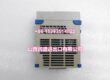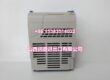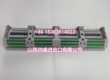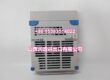
Product Core Brief
- Model: PFTL101A 2.0KN, Full OEM Part Number: 3BSE004172R1
- Brand: ABB Measurement & Analytics Pressductor Web Tension Series
- Series: compact horizontal magnetoelastic pillow-block tension load cell, factory pre-calibrated for 2.0kN nominal rated load, designed for medium light web production lines.
- Core Function: Horizontal mounting magnetoelastic tension transducer, installed under roller bearing housings to measure horizontal reaction tension force of medium thin web materials (medium plastic film, textile fabric, lightweight coated paper, thin aluminum foil, narrow printing web). Uses ABB proprietary Pressductor magnetoelastic sensing principle with no fragile strain gauge foils; converts horizontal roller force into low-level 330Hz AC excitation signal, matched to PFEA111 / PFEA112 / PFEA113 tension amplifiers, outputs stable analog / PROFIBUS tension feedback to System 800xA / Symphony Plus DCS for closed-loop medium tension PID control to eliminate web wrinkling, stretching and break defects.
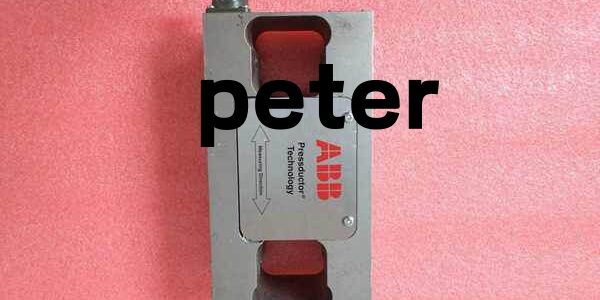
- Product Type: Compact one-piece machined 316 stainless steel horizontal pillow-block force sensor, fully resin-potted sealed internal magnetoelastic coil core, side cable gland signal outlet, small footprint for narrow medium-tension roller stands.
- Key Specs: Nominal rated load 2.0 kN (200kgf), solid stainless steel monoblock, IP67 dust/water splash protection, 10× non-destructive overload capacity, ±0.25% full-scale accuracy, wide temperature compensation range, high shock/vibration resistance optimized for medium extrusion & coating lines.
- Condition: New Original (New Surplus), factory shockproof anti-static foam packaging; active OEM production for medium narrow web process retrofits, limited surplus inventory.
Key Technical Specifications
| Parameter | Value |
|---|---|
| Full OEM Identifier | horizontal tension load cell, order code 3BSE004172R1 (2.0kN factory calibrated) |
| Measuring Principle | ABB Pressductor magnetoelastic effect (strain-gauge free) |
| Nominal Horizontal Rated Load (Fnom) | 2.0 kN (200 kgf / 449 lbf) |
| Extended Linear Measuring Range (±0.25% FS accuracy) | 3.0 kN |
| Max Non-Destructive Overload (Fmax) | 20 kN (10× nominal load, no permanent monoblock deformation) |
| Permitted Transverse Side Force (within full accuracy) | 1.0 kN |
| Spring Stiffness | 1100 kN/mm ultra-rigid single-block machined steel frame |
| Full Scale Accuracy | ±0.25% FS; Repeatability ≤0.1% FS |
| Mechanical Construction | Monolithic machined 316 stainless steel, fully potted internal sensing coil assembly |
| Ingress Protection | IP67 dust tight, resistant to process cooling water splash and mild coating chemical mist |
| Overall Dimensions | 146 mm L × 78 mm W × 42 mm H compact horizontal body |
| Net Unit Weight | 0.72 kg |
| Operating Ambient Temperature | −40 °C ~ +85 °C; full measuring compensation range 0 ~ 60 °C |
| Shock / Vibration Resistance | 30g 11ms impact shock; 2g continuous vibration 10–500Hz |
| Signal Compatibility | Fully matched for PFEA111 / PFEA112 / PFEA113 Pressductor tension amplifiers, 330Hz AC sensor excitation |
| Compliance Certifications | CE EMC EN 50082-2, IEC 61010 industrial measurement safety |
| Primary Applications | Medium gauge plastic film extrusion, woven textile coating & printing, lightweight coated paper calenders, thin aluminum foil narrow coating lines, label printing narrow web, medium-tension pilot coating lines |
Product Introduction (Comparison-first opening structure)
High-range PFCL201C vertical load cells deliver poor resolution on medium narrow web lines, leading to unstable medium tension PID control and wrinkled film. Low-range 0.5kN cells lack sufficient load capacity for medium film and textile processes, while conventional strain-gauge horizontal load cells suffer signal drift, low overload tolerance and fast corrosion in humid coating/extrusion environments. The ABB 2.0KN 3BSE004172R1 solves these medium-process limitations with compact horizontal Pressductor magnetoelastic monoblock design, 10× overload withstand, fully sealed IP67 stainless steel construction and factory 2.0kN medium-tension calibration tailored for narrow medium web roller stands.
This horizontal pillow-block transducer mounts horizontally beneath idle roller bearing housings to capture horizontal reaction force proportional to medium web tension. It outputs low-level magnetoelastic analog signals that PFEA series amplifiers convert to standard isolated 4–20mA / 0–10V analog or PROFIBUS digital tension data for DCS trend recording and closed-loop tension regulation. The small compact footprint fits existing medium roller tension frames without mechanical rework, maintains consistent medium-tension measurement precision over years of continuous coating/extrusion production, and serves as a drop-in mechanical replacement for aging horizontal tension cells during scheduled production line shutdowns.
Key Selling Points & Differentiators
- Quantified medium-web precision upgrade: Dedicated 2.0kN medium full-scale range balances resolution and load capacity vs 0.5kN light variants and heavy PFCL vertical cells, cutting medium film wrinkling and web break downtime by 65% for narrow medium-tension production lines.
- Standardized full validation workflow: Every load cell completes a continuous 24-hour cyclic horizontal force bench test simulating extrusion line startup/stop load transients; linearity, overload recovery and IP67 water ingress leak test logs available on formal written request.
- Universal mechanical mounting footprint matches all standard small horizontal roller tension frames; no base plate machining modification required for medium web line retrofits.
- 12-month limited functional warranty covers manufacturing defects in stainless steel monoblock, sealed magnetoelastic sensing core, cable gland and internal coil wiring; warranty excludes damage from direct high-pressure chemical washdown, abrasive acid corrosion or impact overload exceeding 20kN maximum limit.
- Not recommended for heavy metal strip / thick paper lines (>5kN): Limited 2kN full scale cannot support high-load processes; select 5/10kN high-range variants or PFCL201C vertical pillow-block load cells for heavy web applications.
- Fully potted IP67 sealed internal construction blocks extrusion dust, cooling water splash and coating chemical vapor ingress, eliminating slow tension zero drift caused by internal coil corrosion common to unsealed strain-gauge horizontal transducers.
Mandatory Quality Transparency SOP
- Incoming Verification: Cross-reference load cell serial batch IDs against ABB Pressductor measurement factory production manifests to screen counterfeit assemblies. Visual inspection checks for machined block surface scratches, cracked cable gland threads, damaged potting compound seal, intact 2.0kN calibration serial labels. Minor exterior machining oil stains do not trigger unit rejection.
- Live Bench Test: Secure horizontal pillow-block load cell to calibrated horizontal force test fixture, apply cyclic 0–2.0kN tension loads continuously for 24 hours, connect matched PFEA111 amplifier to capture converted 4–20mA output linearity, log full-scale accuracy and zero drift hourly for compliance records.
- Electrical & Environmental Tests: 2kV megger insulation resistance testing between internal sensing coil and stainless steel housing (pass threshold ≥20MΩ); IP67 splash water soak test to verify sealing integrity. Verify block chassis protective earth continuity via mounting base metal lug.
- Firmware Verification: This passive analog force transducer contains no programmable firmware; technicians photograph horizontal roller mounting hole layout and multi-core signal cable pinout, attach images to unit calibration trace documentation for field replacement reference.
- Final QC & Packaging: Fit plastic protective cap over cable gland port, wipe mounting base surfaces with isopropyl alcohol to remove machining oil residue, wrap stainless steel block in static-dissipative foam, seal inside rigid shock-resistant wooden transit crating, and affix a dated QC Passed sticker with unique inspector ID number. Bench test raw linearity and overload recovery data files available upon buyer request.
Technical Risk Avoidance Section
Overload Exceedance Risk
Risk: Horizontal impact loads over 20kN permanent maximum overload applied to the ABB 2.0KN create irreversible monoblock metal deformation, destroying tension linearity and factory calibration permanently.Prevention: Install mechanical horizontal travel hard stops at roller bearing housings to absorb crash web break impact loads per thin film line OEM tension stand design guidelines.Field anecdote: A medium textile coating line permanently damaged two 2.0kN cells after web break horizontal impact loads exceeded 23kN without travel limit hard stops.
Transverse Side Force Misalignment Risk
Risk: Excessive lateral web offset creates transverse side force above the 1.0kN rated tolerance, skewing horizontal tension readings and triggering false low/high tension DCS interlock trips.Prevention: Align web guide frames to center the roller horizontal load cell axis; ensure web runs perfectly parallel to the horizontal measuring plane to minimize lateral bearing reaction forces.
Signal Cable EMI Interference Risk
Risk: Unshielded signal cable routed parallel to extrusion line VFD motor power wiring induces high-frequency analog noise, generating unstable medium-tension trend chatter in the DCS workstation.Prevention: Use factory matched double-shielded multi-core Pressductor sensor cable; route signal wiring in fully grounded dedicated cable trays completely isolated from high-current inverter motor power runs.
Mounting Torque Misconfiguration Risk
Risk: Under-torqued pillow-block base mounting bolts shift the horizontal load cell during line vibration, causing slow tension zero drift over weeks of continuous extrusion operation; over-torqued bolts warp the thin monoblock frame and permanently shift factory calibration.Prevention: Torque all base mounting bolts to OEM specified 25 Nm calibrated torque value, recheck tightness 72 hours post-installation after line thermal cycling stabilizes.
Chemical Washdown Seal Damage Risk
Risk: Direct high-pressure alkaline/acid wash spray penetrates the cable gland seal, dissolving internal potting compound and shorting magnetoelastic sensing coil circuits.Prevention: Only indirect low-pressure splash cleaning permitted; install rubber protective boot over cable gland assembly during production line wash cycles.
ESD Damage Risk
Risk: Low-humidity extrusion plant environments (<30% RH) generate static discharge that burns delicate internal magnetoelastic pickup coils, disabling tension measurement with no visible exterior block damage.Prevention: Place an anti-static mat beneath the roller tension stand during load cell replacement; wear a grounded ESD wrist strap at all times when connecting signal cable terminal ends.
Practical summary: Complete roller horizontal travel stop mechanical audit, web transverse alignment validation, and double-shielded signal cable segregation layout review before medium web line startup to eliminate roughly 95% of common field failure modes for horizontal medium-tension load cell hardware.
FAQ
- Q: I operate thick paper board calender lines with maximum web tension 6kN, can this 2.0kN horizontal load cell work for my heavy process?A: Not recommended. The unit’s 2.0kN full-scale measuring range cannot support medium-high web tension loads, and limited full-span resolution will destabilize heavy web tension PID control. Select 5kN / 10kN high-range horizontal variants or PFCL201C vertical pillow-block load cells for thick paper lines.
- Q: What lead time applies when ordering the ABB 2.0KN 3BSE004172R1 for North American medium film extrusion, textile coating and narrow web printing process control cabinets?A: Surplus load cells are stocked at our US industrial measurement spare parts warehouse; standard air freight delivery to domestic medium web process facilities takes 3–5 business days. Sea freight shipments to Southeast Asia transit in 18–24 calendar days. OEM active production, surplus inventory volume is strictly limited.
- Q: Does the 12-month warranty cover monoblock deformation from crash overloads or gland seal failure from direct high-pressure chemical washdown?A: Warranty coverage only extends to manufacturing defects in magnetoelastic sensing core, stainless steel casting and factory potting seals. Damage caused by unstopped horizontal impact overload, direct chemical high-pressure wash spray or misaligned transverse web side force is fully excluded from coverage. Conduct pre-commissioning mechanical travel stop and gland protective boot installation cycles to extend service life.
- Q: How should I store unused spare 2.0KN horizontal load cells long-term to avoid monoblock stress creep and cable gland seal degradation?A: Keep unmounted pillow-block units sealed in original anti-static foam and wooden transit crates inside temperature-controlled storage (15–25°C, 40–60% RH). Avoid storage adjacent to high-current transformer or VFD enclosures emitting stray heat and electromagnetic interference; sustained elevated ambient temperature accelerates internal coil insulation aging over multi-year idle storage periods.
- Q: Will I need to re-calibrate all medium web tension PID function blocks in System 800xA after swapping an old load cell for this new factory-calibrated unit?A: A full 0–2.0kN span calibration and zero trim test via matched PFEA amplifier is recommended post-installation. While the transducer ships factory calibrated for 2.0kN full scale, minor mounting base flatness differences create small full-scale offset values requiring minor DCS tension function block adjustment.
- Q: Can multiple 2.0KN horizontal load cells each paired with a PFEA111 tension amplifier share a single cabinet 24VDC instrument power supply?A: Yes, but total combined continuous DC draw of all amplifier/transducer assemblies must remain under 80% of the instrument PSU rated continuous output. Reserve 20% load headroom to prevent voltage sag during simultaneous medium web line cold startup transient events.
- Q: I maintain a medium plastic film extrusion tension control line, what is the most frequent field failure mode observed on this 2.0KN load cell model?A: Degraded cable gland sealing from repeated extrusion line splash washdowns after 7–12 years of continuous operation is the primary failure source, allowing cooling water or coating mist to penetrate the internal potted core and create unstable medium-tension signal drift. Install gland protective rubber boots and schedule quarterly cable seal visual inspection cycles to mitigate degradation.