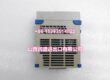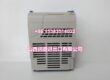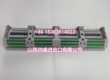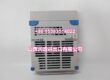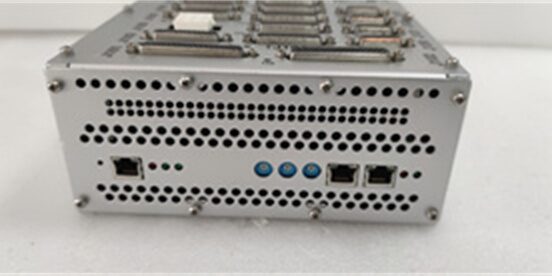
Product Core Brief
- Model: 0090-07135
- Brand: Applied Materials (AMAT)
- Series: Centura Wafer Fabrication Platform Vacuum Valve Spare Hardware
- Core Function: Drives slit gate valve opening/closing to isolate high-vacuum process chambers during wafer transfer, maintaining pressure separation between loadlock and etch/deposition modules
- Product Type: Pneumatically actuated high-vacuum gate valve actuator assembly
- Key Specs: Cleanroom compatible aluminum construction | 2–8 bar dry air actuation pressure | Graphite-free low-outgassing seals
- Note: New Original OEM spare; matched AMAT valve body and vacuum feedthrough hardware sold separately
Key Technical Specifications
- Actuation Medium: Dry, oil-free clean compressed instrument air
- Operating Air Pressure Range: 2 bar minimum to 8 bar maximum
- Vacuum Compatibility: Base pressure down to 1×10⁻⁷ Torr high-vacuum operation
- Seal Material: Perfluorinated elastomer low-outgassing gaskets for semiconductor clean process
- Body Material: Machined aluminum alloy with electropolished cleanroom surface finish
- Actuation Cycle Time: 0.4 second full open / full close at 6 bar supply pressure
- Position Feedback: Integrated dual mechanical limit switches for open/closed valve state signal output
- Operating Ambient: 18°C to 26°C class 1 cleanroom, 30–70% non-condensing humidity
- Outgassing Rating: Meets SEMI E59 low total mass loss standard for thin-film processes
- Safety Compliance: SEMI S2, CE industrial machinery EMC
- Unit Weight: 3.6 kg
- Overall Dimensions: 195 mm W × 270 mm H × 140 mm D
Product Introduction
This actuator is a critical isolation subassembly for AMAT Centura cluster tools. It controls gate valve motion to separate vacuum environments between loadlock transfer stations and high-vacuum process chambers, preventing pressure cross-contamination during wafer transport sequences.
Dual limit switches feed real-time valve position signals back to the tool’s host controller to block wafer robot movement during incomplete valve strokes. Low-outgassing elastomer seals eliminate organic particle contamination that causes wafer defectivity in dielectric etch and PVD production runs.
QA & Testing SOP (Transparency Building)
- Incoming Inspection: Cross-reference AMAT OEM serial database to validate cleanroom-grade genuine hardware; inspect electropolished body surface for scratches, air port threads for burrs, and switch wiring terminals for corrosion.
- Live Testing: Connect to calibrated dry air supply regulated to 6 bar; mount to OEM test vacuum chamber fixture; run 24-hour cyclic open/close stroke testing, logging full cycle time and limit switch trigger consistency hourly.
- Vacuum Leak Testing: Helium leak check at base 1×10⁻⁷ Torr; pass threshold <1×10⁻⁹ Torr·L/s total assembly leak rate.
- Config Backup: Record factory switch wiring pinout and air supply port labeling; photograph actuator stroke mechanical stop adjustment positions for replacement matching.
- Final QC & Packaging: Nitrogen purge internal air passages to remove residual machining oils; seal inside double-layer anti-static vacuum packaging; attach printed test tag with serial trace and helium leak test data.
Installation Pitfalls & Guide (Engineer to Engineer)
❗ Contaminated Process Air Supply: Oil or particulate carryover in unfiltered instrument air erodes fluoropolymer seals, causing slow vacuum drift within 30 production days. Install OEM 0.01μm inline air filter upstream of the actuator.❗ Improper Stroke Stop Adjustment: Over-extended valve stroke crushes gate seal gaskets during closing, generating particle contamination and permanent seal deformation. Retain factory stop screw positions captured during pre-install photo documentation.❗ Miswired Limit Switch Signals: Swapped open/closed switch wiring sends false valve state data to the tool PLC, triggering robot interlock faults that halt wafer batch processing.❗ Parallel High-Voltage Cable Routing: Running chamber bias power cables alongside actuator feedback wiring induces electrical noise, creating intermittent false switch trigger signals mid-cycle. Separate cable trays by minimum 12 cm gap.❗ Uncontrolled ESD Exposure: Unwristbanded technicians introduce surface static that attracts airborne cleanroom particles to polished vacuum surfaces; wear certified cleanroom anti-static gear during all handling steps.
4-Step Replacement Guide
- Pre-install: Full tool vacuum pump and process gas lockout/tagout; photograph air supply tubing routing, limit switch wiring pinouts, and mechanical stop screw positions for exact replication.
- Removal: Depressurize all instrument air lines; disconnect air supply fittings and feedback signal harness; unbolt four mounting fasteners and detach the assembly from the valve body frame.
- Install: Secure new unit to valve frame with OEM specified torque values; reconnect filtered dry air tubing and match photographed switch wiring layout; verify factory stroke stop screw positions remain unmodified.
- Power-on Test: Restore regulated 6 bar dry air supply; execute manual valve stroke test via tool service mode; confirm accurate open/closed limit switch reporting and acceptable helium leak rate before releasing wafer production batches.
FAQ (Frequently Asked Questions)
Q: Can this actuator operate with nitrogen gas instead of dry instrument air?A: Yes, nitrogen is a compatible alternative inert actuation medium, though facility dry air remains the OEM recommended supply for standard production tools.Q: Does this assembly support hot-swap while the Centura tool maintains vacuum?A: No. Valve body vacuum integrity breaks fully during actuator removal. Full chamber venting and pump shutdown lockout is required to avoid catastrophic pressure backstreaming into process modules.Q: What causes consistent slow valve stroke cycles after replacement installation?A: Primary root causes include supply air pressure below 4 bar, clogged inline air filter media, or misadjusted mechanical stroke stops creating excess seal friction.Q: Are third-party generic pneumatic actuators drop-in interchangeable with this OEM unit?A: Physical mounting dimensions may align, but non-OEM seals fail SEMI low-outgassing standards and introduce critical wafer particle defects, disqualifying use on high-volume thin-film production lines.Q: What is the OEM recommended preventive maintenance interval for the actuator seal set?A: 12 months of continuous 24/7 production operation; tools processing fluorinated etch chemistries require seal replacement every 8 months due to accelerated elastomer degradation.Q: Can this actuator fit non-AMAT third-party vacuum gate valve bodies?A: Mounting hole pattern is proprietary to AMAT Centura slit valve frames. Cross-brand valve body installation requires custom adapter plate machining.Q: What warranty coverage applies to surplus OEM spare actuator assemblies?A: Standard 12-month functional warranty covers machining, limit switch, and seal manufacturing defects; damage from unfiltered contaminated air supply, misadjusted stroke stops, or improper lockout/tagout service handling is fully excluded from coverage.