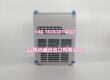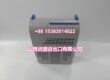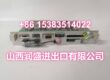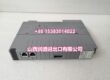
Product Core Brief
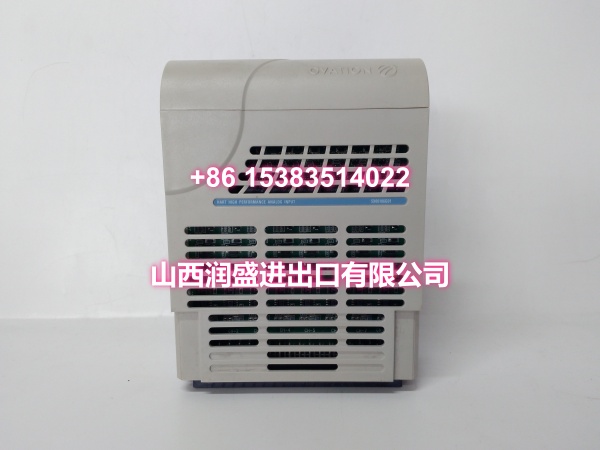
- Model: 5X00105G14
- Brand: WESTINGHOUSE / Emerson Ovation
- Series: Ovation DCS
- Core Function: Controller CPU module for the Ovation DCS, executing control logic and managing communication with I/O modules and operator stations.
- Product Type: DCS Controller / CPU Processor Module
- Key Specs: Ovation system controller | single-slot rack module | Ethernet network ports | redundant pairing support
- Condition: New Surplus / Tested
Key Technical Specifications
- Part Number: 5X00105G14
- System Platform: Westinghouse / Emerson Ovation DCS
- Module Type: Controller CPU / control processor board
- Function: Executes Ovation control strategies and coordinates I/O, networking, and diagnostics
- Network Interfaces: Controller network ports, typically 10/100 Ethernet; service/diagnostic serial port may be present depending on revision
- I/O Access: Field I/O handled through Ovation I/O modules via the backplane; no direct field terminations on the CPU card itself
- Redundancy: Supports redundant controller pairing for high-availability applications
- Mounting: Single-slot Ovation rack / backplane module
- Operating Temperature: Typically 0 to 60 °C, 5–95% RH non-condensing
- Power: Supplied from the Ovation backplane; nominal 5 VDC
- Origin: USA
- Condition: Surplus / Tested
- Note: Public documentation for 5X00105G14 is limited. Exact CPU speed, memory size, firmware baseline, and network port count should be confirmed from the physical label before installation.
Product Introduction (No Fluff)
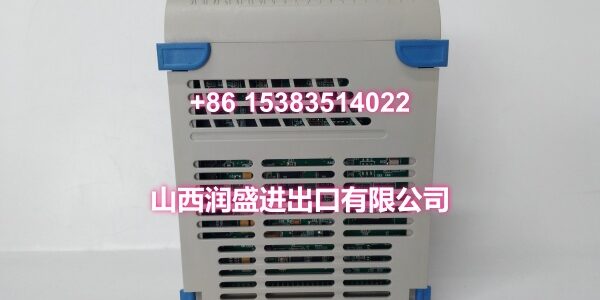
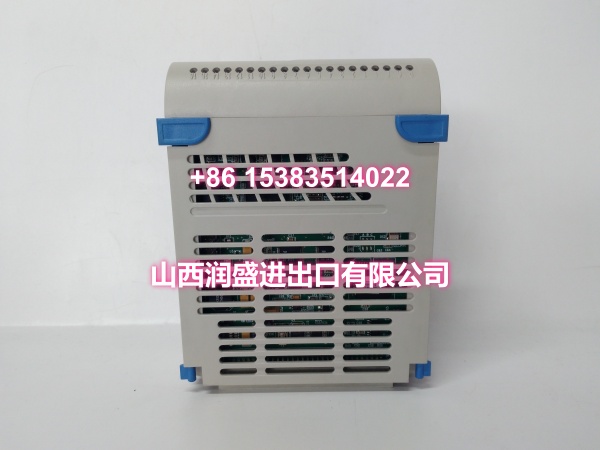
The 5X00105G14 is an Ovation DCS controller CPU module used in Westinghouse / Emerson Ovation distributed control systems. It serves as the processing core for a controller node, executing control logic, managing network communications, and coordinating with I/O modules mounted in the same rack.
For Ovation installations, the controller CPU is one of the most critical spare components. A failed processor can take an entire controller offline, and if redundancy is not configured or has degraded, plant operations may be directly affected. A tested replacement with verified initialization and network communication is therefore far more valuable than an untested surplus unit.
QA & Testing SOP (Dynamic & Transparent)
Controller CPUs are validated at the system level because a module can power up but still fail to load firmware, communicate, or synchronize with a redundant partner:
- Label verification: Confirm 5X00105G14, revision, and serial number. Ovation 5X-series part numbers can look similar across controllers, switches, and I/O modules.
- Visual inspection: Check the housing, front connectors, backplane edge connector, PCB, and LEDs for corrosion, rework, burn marks, or counterfeit indicators.
- Backplane connector inspection: Examine edge connector pins for bending, oxidation, or contamination—common issues on older Ovation racks.
- Bench power-up test: Install in a compatible Ovation test rack and verify module initialization, LED status, and absence of fault indicators.
- Network communication test: Confirm Ethernet/controller network ports respond, the module can be addressed on the Ovation network, and diagnostic access is available.
- Redundancy check (if applicable): If tested as part of a redundant pair, verify synchronization behavior and failover readiness.
- ESD-safe packaging: After testing, seal the unit in anti-static shielding with moisture barrier protection for shipment.

Installation Pitfalls & Guide (Engineer to Engineer)
❗ Confirm it is the correct controller CPU variant. 5X00105G14 is listed as an Ovation controller/CPU module, but the exact revision and firmware baseline must match the existing system. Do not substitute it with an I/O module, communication card, or network switch.
❗ Verify firmware and configuration compatibility. A replacement CPU must be compatible with the existing Ovation project database and firmware level. Installing a mismatched controller can prevent synchronization or cause unexpected behavior.
❗ Check redundancy status before swapping. If the system uses redundant controllers, confirm which unit is primary and which is standby. Replace the failed unit according to site procedure to avoid unnecessary bumpless-transfer issues.
❗ Inspect the backplane slot. A faulty slot can mimic CPU failure. If the replacement does not initialize, try a known-good slot before concluding the module is defective.
Replacement steps:
- Pre-install: Photograph the existing label, record slot position, controller ID, network address, firmware version, and redundancy role.
- Removal: Follow Ovation site procedure. If redundant, isolate the failed controller; if non-redundant, plan for a controlled outage. Release the module and withdraw it straight from the slot.
- Install: Inspect the backplane connector, align the new module, seat it firmly, and reconnect any front-panel network or service cables.
- Power-on test: Restore power, verify LED status, confirm network communication, and check synchronization with the redundant partner if applicable.
Technical FAQ
What is the 5X00105G14? It is a Westinghouse / Emerson Ovation-series controller CPU module used as the processing unit for an Ovation DCS controller node.
What does it do in the Ovation system? It executes control logic, manages controller network communication, and coordinates with I/O modules through the Ovation backplane.
Can it be used in a redundant configuration? Yes, Ovation controller CPUs typically support redundant pairing. The exact behavior depends on system configuration and firmware.
Is this module still available from the OEM? The Ovation platform is still supported by Emerson, but individual legacy controller modules may have limited new stock. Surplus and tested units are commonly used for maintenance.
What warranty applies to surplus units? Warranty terms vary by supplier. Some industrial surplus suppliers offer up to 2 years on tested parts, while others provide 12 months. Confirm exact terms before purchasing.