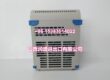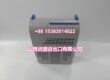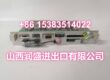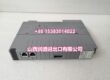
Product Core Brief
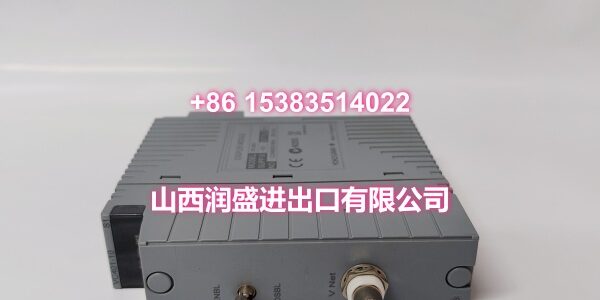
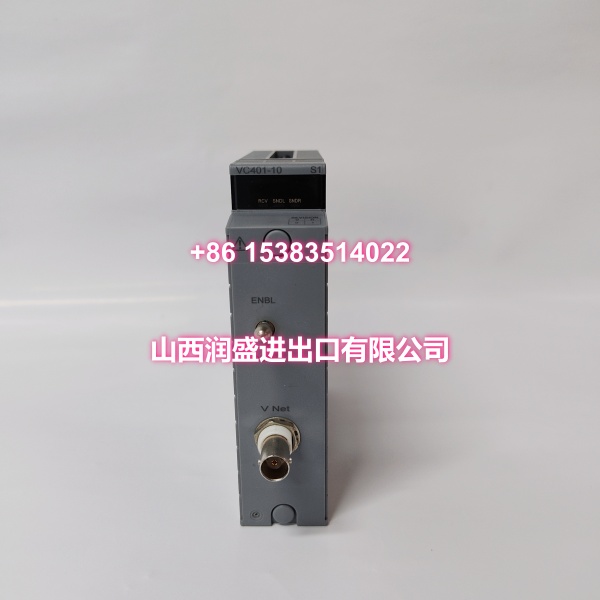
- Model: EC401-10 S2
- Brand: YOKOGAWA
- Series: CENTUM CS 3000 R3 FFCS
- Core Function: ESB bus coupler module used to connect direct-coupled extension nodes to the FFCS CPU node.
- Product Type: DCS Bus Coupler / Communication Module
- Key Specs: ESB bus interface | 1-port coupler | FFCS extension node support
- Condition: New Surplus / Tested
Key Technical Specifications
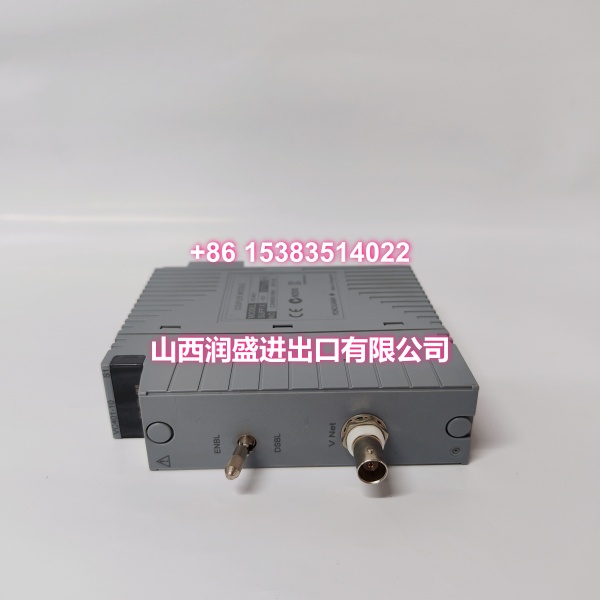
- Module Type: ESB Bus Coupler Module (EC401 series)
- Suffix Code: -10 (communication module variant)
- System Compatibility: CENTUM CS 3000 R3 FFCS
- Bus Architecture: ESB (Extended Serial Backboard Bus)
- Bus Ports: 1-port ESB bus port
- Paired Module: SB401 ESB Bus Slave Interface Module (installed in extension node)
- Redundancy: Dual EC401 modules can support ESB bus redundancy
- Application: Connecting direct-coupled nodes to FFCS CPU node
- Installation: IOM slot of FFCS CPU node
- Max Extension Nodes: Up to 3 extension nodes (direct-coupled + remote) per CPU node
Product Introduction (No Fluff)
The EC401-10 S2 is an ESB bus coupler module from the YOKOGAWA CENTUM CS 3000 R3 FFCS platform. It sits in the IOM section of the FFCS CPU node and provides the ESB bus interface needed to link direct-coupled extension nodes equipped with SB401 slave modules.
For plants running legacy CS 3000 R3 hardware, this module is a targeted replacement when expanding I/O capacity or restoring a failed coupler. Because it supports dual-redundant configuration, keeping a verified spare on hand reduces unplanned downtime during backplane or node faults.
QA & Testing SOP (Dynamic & Transparent)
Every unit goes through the same intake process we use for legacy DCS communication cards:
- Visual & authenticity check: Inspect housing, label, connector pins, and solder joints for signs of rework, corrosion, or counterfeit replacement.
- Connector & pin inspection: Verify ESB bus connector alignment and pin integrity—bent pins are a common failure point on older FFCS modules.
- Bench power-up test: Apply rated power on an OEM-compatible test rack and confirm module initialization without fault LEDs.
- Bus communication verification: Confirm the module registers on the ESB bus and maintains stable communication with a paired SB401 slave module.
- ESD-safe packaging: After testing, the unit is packed in anti-static shielding with moisture barrier protection for shipment.
Installation Pitfalls & Guide (Engineer to Engineer)
❗ Do not se with -50/-E0. The -10 variant is a communication module; the -50/-E0 variants are ESB bus couplers for different configurations. Wrong suffix = wrong function.
❗ Redundancy requires paired modules. If your system runs dual EC401 modules, replace both or verify the surviving module’s firmware and bus status before returning to service.
❗ Check the SB401 on the extension node. A faulty EC401-10 can mask a failing SB401 slave module. Test both ends of the ESB link.
❗ Backplane seating matters. FFCS IOM slots are tight—force-fitting can bend backplane pins. Seat the module evenly and verify the locking mechanism before powering up.
Replacement steps:
- Pre-install: Confirm slot position, redundancy status, and backplane power state.
- Removal: Power down the node if non-redundant; release the module latch and withdraw straight out.
- Install: Align pins carefully, seat fully, and secure the latch.
- Power-on test: Restore power, verify LED status, and confirm ESB bus communication with the extension node.
Technical FAQ
What is the EC401-10 S2 used for? It is an ESB bus coupler module for the CENTUM CS 3000 R3 FFCS, used to connect direct-coupled extension nodes to the CPU node via the ESB bus.
Is this compatible with -50 or -E0? They belong to the same EC401 family but serve different roles. The -10 is listed as a communication module variant, while -50/-E0 are ESB bus couplers with different suffix codes. Always match the exact suffix to your system configuration.
Can I use this for redundancy? Yes. Two EC401 modules can be installed to support ESB bus dual redundancy in the FFCS architecture.
What is the warranty? Surplus and tested units typically carry a 12-month functional warranty. Confirm the exact terms at checkout, as condition varies by lot.
Do you ship internationally? Yes. We ship globally with anti-static, moisture-barrier packaging. Lead time and carrier options are confirmed at checkout based on your location.