Component Snapshot At-a-Glance
- Model: IS200WROBH1AAA
- Alt. P/N: Base model IS200WROBH1A; AAA = full factory acrylic conformal coating for oil-mist turbine enclosures
- Product Series: GE Speedtronic Mark VI / Mark VIe Turbine Control Platform (WROB = Wide Relay Output Board)
- Hardware Type: Passive relay signal termination PCB paired with WRDO digital relay output I/O packs
- Key Feature: 16 isolated relay output channels, 125VDC trip circuit compatible, 2500VAC channel-to-backplane galvanic isolation
- Primary Field Use: Terminate high-current dry relay contact signals for turbine trip solenoids, breaker control, ESD isolation valves and auxiliary alarm horn loads in combined-cycle and refinery turbine SIS racks.
Hard-Numbers: Technical Specifications
- Protocol Support: Mark VIe proprietary IONet backplane bus, analog relay feedback signals routed to PPDA diagnostic packs
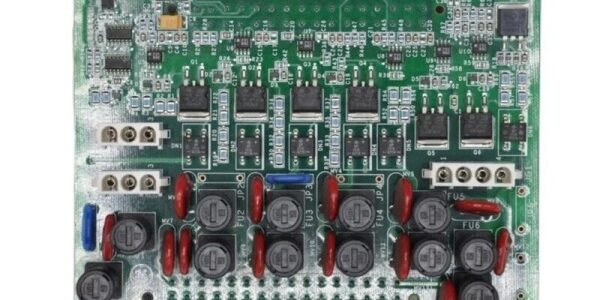
- Port Count: Dual multi-pin backplane ribbon connectors for WRDO I/O packs, two pluggable screw terminal blocks for field relay wiring, front LED status array
- Baud/Data Rate: IONet Ethernet 10/100Mbps; discrete relay status sampled at 100Hz for fault logging
- Operating Temperature: -40°C to +70°C full rated contact load capacity; derate output loads above +60°C in sealed turbine cabinets
- Isolation Rating: 2500VAC galvanic isolation separating each 125VDC field relay channel from low-voltage backplane logic
- Power Draw: Passive termination board, draws ≤4.5W from paired WRDO 24VDC I/O pack supply
- Channel Layout: 16 independent relay output circuits; each contact rated max 3A @ 125VDC resistive trip loads
- Overvoltage Protection: TVS transient suppression diodes per channel to absorb inductive kickback from solenoid coils
- PCB Treatment: Full conformal coating (AAA revision) to resist turbine lubricant mist, condensation and industrial dust corrosion
- ESD Rating: ±6kV contact discharge, ±12kV air gap discharge on all field wiring terminals
- Mount Format: Metal bracket screw mount inside standard Mark VIe rack slots; IP20 enclosure rating
- Unit Weight: 0.62kg
- Hot Swap: Not hot-swappable; full rack LOTO required before board removal
The Real-World Problem It Solves
Unisolated generic terminal strips expose Mark VIe backplane circuits to destructive inductive kickback from 125VDC trip solenoid coils, causing repeated I/O pack hardware burnout. Low-density relay boards force multiple rack slots for large ESD valve and breaker control schemes, inflating cabinet footprint and wiring hours. Uncoated bare PCBs develop intermittent open contact faults in humid turbine houses, and unfiltered switching noise triggers false breaker status alarms on the plant HMI.Where you’ll typically find it:
- Combined-cycle gas turbine Mark VIe protection racks driving overspeed and fuel gas shutoff trip solenoids
- Steam turbine generator MCC panels controlling generator field breakers and emergency lube oil isolation valves
- Refinery turbine compressor SIS cabinets switching ESD alarm horns and remote process isolation valve actuatorsPer-channel surge suppression eliminates external snubber resistors, high channel density reduces rack hardware count, and heavy galvanic isolation blocks high-voltage transients from damaging critical control backplane hardware.
Hardware Architecture & Under-the-Hood Logic
This passive terminal board has no onboard microprocessor; all relay coil drive logic and fault detection executes on the matched WRDO relay output I/O pack. Isolation barriers and transient protection absorb solenoid inductive noise before signals reach the rack backplane.
- Pluggable dual screw terminal blocks accept 12–16AWG field wiring for all 16 high-current relay output channels.
- Per-channel TVS diode networks suppress large voltage kickback spikes generated when 125VDC solenoid coils de-energize.
- Independent 2500VAC isolation circuits separate every field relay path from dual shielded backplane ribbon connectors linking to WRDO I/O packs.
- RC low-pass filter banks suppress high-frequency VFD switching noise that distorts relay feedback status signals.
- Unique on-board ID resistor chip auto-detects board model and channel count to the WRDO pack on power-up, eliminating manual hardware tree configuration.
- Front panel bi-color LEDs display channel active state and open/short field wiring faults for local on-site troubleshooting.
- Conformal coated PCB seals all traces and component leads to prevent leakage currents caused by condensed turbine oil and moisture buildup inside sealed control enclosures.
Field Service Pitfalls: What Rookies Get Wrong
Dual-End Grounding Relay Cable Shields Induces Severe Contact Chatter
New technicians ground shield braid at both the WROB terminal block and remote solenoid junction boxes. Parallel ground loop AC noise creates fluctuating contact signals, causing intermittent trip solenoid chattering and false ESD fault alarms during VFD cycling.Field Rule: Ground relay cable shield braid only at the Mark VIe control cabinet ground bar; fully tape and isolate shield conductors at all remote turbine-mounted solenoid enclosures.
Skipping Inductive Load Snubber Verification After Solenoid Replacement
Junior crews swap trip solenoids without checking channel TVS transient suppressors. Unabsorbed coil kickback sends high voltage surges back through the WROB board, frying WRDO I/O pack output circuits mid-unit operation.Quick Fix: Visually inspect per-channel TVS diodes for burn marks post every solenoid replacement; run manual relay actuation test and monitor HMI for spurious fault flags before restoring turbine service.
Improper Terminal Torque Creates Vibration-Induced Intermittent Trip Circuits
Field technicians over-torque or under-torque field wire terminals during wiring modifications. Loose wire strands form high-resistance connections that drop out under turbine frame vibration, triggering uncommanded random ESD trips.Field Rule: Torque terminal block screws to GE specified 0.7 N·m; re-torque all relay wiring terminals during quarterly turbine cabinet inspection cycles.
Commercial Availability & Pricing Note
Please note: The listed price is for reference only and is not binding. Final pricing and terms are subject to negotiation based on current market conditions and availability.