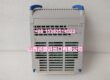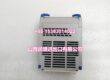
Component Snapshot At-a-Glance
- Model:
- Alt. P/N: IS220UCSAH1AK (extended temperature variant); no direct cross-brand drop-in substitute
- Product Series: GE Speedtronic Mark VIe Distributed Turbine Control Platform (UCSA = Unit Control Stand-Alone)
- Hardware Type: Fanless DIN-rail mounted independent real-time embedded controller
- Key Feature: 6 integrated 10/100 Ethernet ports split for IONet I/O bus and UDH plant network, QNX Neutrino RTOS, Class I Div 2 / ATEX Zone 2 hazardous location certification, conformal coated PCB
- Primary Field Use: Executes standalone turbine startup, speed/load regulation, boiler balance-of-plant and auxiliary ESD logic; communicates with all Mark VIe I/O packs via dedicated IONet and links to operator HMIs, historians and SCADA over UDH Ethernet.
Hard-Numbers: Technical Specifications
- Protocol Support: GE proprietary IONet (I/O bus), UDH Unit Data Highway TCP/IP, Modbus TCP, ControlST engineering communication
- Port Count: 6×RJ45 Ethernet (3×IONet, 3×UDH), 1×USB 2.0 local configuration port, front multi-status LED array (Power, Boot, Online, Flash, DC, Diag, per-port Link/Act)
- Baud/Data Rate: All Ethernet ports auto-negotiate 10/100 Mbps full duplex; deterministic IONet cyclic scan for I/O packs
- Operating Temperature: 0°C to +65°C full rated processing; extended range -30°C to +70°C derated; 5%–95% RH non-condensing humidity tolerance
- Isolation Rating: 1500VAC galvanic isolation separating Ethernet field ports from core processor logic
- Power Draw: Typical 12W, peak 15W; 24VDC nominal supply, operating input range 18–36VDC, max 1.5A input current
- Core Hardware: Freescale PowerQUICC II Pro 667MHz processor, 256MB DDR SDRAM, on-board non-volatile flash for firmware and control application logic
- Operating System: QNX Neutrino real-time multitasking OS optimized for hard industrial control deadlines
- Cooling: Passive finned heat sink convection cooling (no internal fan, zero moving parts)
- Safety & Approvals: UL Class I Div 2, ATEX Zone 2 Group IIC, CE, UL 508, SIL-capable with validated control logic
- PCB Treatment: Factory acrylic conformal coating to resist turbine oil mist, condensation and industrial dust buildup
- Mount Standard: 35mm standard DIN rail lock-and-slide mounting; IP20 cabinet-only ingress rating
- Physical Dimensions: 169mm H × 110mm W × 75mm D; unit weight 0.9kg (2.0 lbs)
- Hot Swap: Fully hot-swappable in live redundant Mark VIe racks; no full cabinet LOTO shutdown required for replacement
The Real-World Problem It Solves
Legacy Mark VI rack-based VME CPUs consume large cabinet space and require dedicated backplane racks, limiting retrofit options for small auxiliary turbine skids. Controllers without segregated IONet/UDH networks create broadcast noise cross-contamination between critical I/O scan traffic and plant HMI historian communications. Fan-cooled processors suffer frequent fan failure in oily turbine houses, triggering unplanned controller resets and unit trips. Non-hazardous rated controllers cannot be deployed inside Class I Div 2 refinery compressor cabinets without costly secondary explosion-proof enclosures.Where you’ll typically find it:
- Combined-cycle gas turbine auxiliary balance-of-plant racks controlling lube oil pumps, water injection and vent valves
- Steam turbine generator skid-mounted standalone control cabinets for startup sequence and auxiliary protection logic
- Refinery high-pressure compressor ESD control enclosures requiring Class I Div 2 non-incendive rated processing hardwareSegregated IONet/UDH Ethernet eliminates network interference between safety I/O and plant SCADA, fanless passive cooling cuts mechanical failure points, compact DIN rail form factor enables space-saving skid retrofits, and hazardous location certification removes secondary containment costs.
Hardware Architecture & Under-the-Hood Logic
This standalone UCSA controller operates as an independent real-time computing node fully isolated from other rack CPUs; it executes turbine/auxiliary control logic locally and exchanges I/O data exclusively via dedicated IONet links to Mark VIe I/O packs, while UDH ports handle all plant-level supervisory communication.
- 18–36VDC DIN rail input feeds multi-stage isolated power regulators for the 667MHz processor, all six Ethernet transceivers and USB configuration circuitry.
- Three dedicated IONet RJ45 ports form a private, isolated I/O bus for real-time cyclic data exchange with JPD power distribution, WROB relay output, PPDA diagnostic and analog/digital I/O packs; no plant SCADA traffic crosses IONet to avoid scan latency.
- Three UDH Ethernet ports provide redundant active/standby network paths to operator HMIs, plant historians, Modbus TCP field devices and ControlST engineering workstations.
- Front USB 2.0 port enables offline firmware upgrades, control application downloads and fault log extraction without interrupting live IONet control traffic.
- Onboard non-volatile flash memory retains the full turbine control application, firmware image, and sequence-of-event fault logs through complete cabinet power loss; no backup lithium battery required for data retention.
- Front panel multi-color LED bank delivers immediate visual diagnostics: Power (DC supply health), Boot (firmware load state), Online (active control execution), Flash (firmware update activity), Diag (hardware fault flag), and Link/Act per Ethernet port for cable/switch link verification.
- Conformal coated PCB seals all processor, memory and Ethernet components to prevent leakage currents and short circuits caused by condensed turbine lubricant oil and moisture buildup inside sealed control enclosures.
Field Service Pitfalls: What Rookies Get Wrong
Mismatched Firmware Versions Between Redundant Primary/Standby UCSA Controllers
New technicians flash updated firmware to only one in a redundant controller pair. Version incompatibility breaks cross-controller logic sync, triggers constant Diag fault alarms and disables automatic hot-standby failover functionality.Field Rule: Upload identical matched firmware builds to both primary and standby UCSA units; run full IONet I/O scan and redundant sync validation via ControlST before returning the turbine online.
Dual-End Grounding Ethernet Cable Shields Induces Severe IONet Scan Noise
Junior field staff ground Ethernet shield braid at both the UCSA cabinet ground bar and remote switch room patch panels. Parallel ground loop AC interference corrupts deterministic IONet cyclic I/O data, causing intermittent tag timeouts and uncommanded auxiliary valve actuation during VFD pump/compressor cycling.Quick Fix: Terminate all IONet and UDH Ethernet cable shielding only at the Mark VIe cabinet chassis ground bar; fully tape and isolate shield conductors at all remote network switch enclosures.
Zero Vertical Clearance Around UCSA Modules Creates Chronic Thermal Foldback Resets
Field technicians stack units flush against power supplies and communication modules with no empty rack space above and below each controller. Passive convection cooling airflow is blocked, internal processor temperatures exceed 65°C rated limit, triggering uncommanded watchdog resets and total loss of IONet I/O communication.Field Rule: Maintain a minimum 100mm vertical empty clearance top and bottom of every UCSA DIN rail assembly; clean cabinet intake air filters every 90 days in oily refinery and turbine house environments.
Commercial Availability & Pricing Note
Please note: The listed price is for reference only and is not binding. Final pricing and terms are subject to negotiation based on current market conditions and availability.