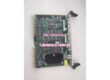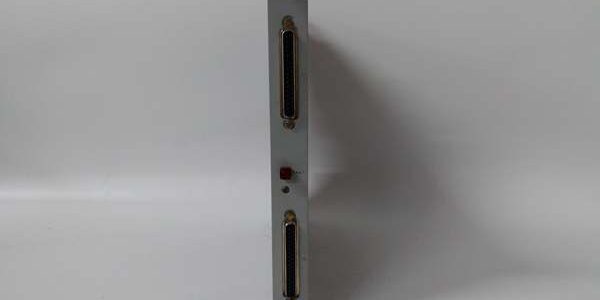
Component Snapshot At-a-Glance
- Model: 5466-1047
- Alt. P/N: No direct drop-in simplex equivalent; matched FTM field termination terminal boards
- Product Series: Woodward MicroNet Plus TMR Turbine Control Platform
- Hardware Type: Triple Modular Redundant (TMR) main CPU processing module for turbine/governor control
- Key Feature: Three independent voting processors, TÜV safety certified + Achilles Level 1 cybersecurity hardening
- Primary Field Use: Execute closed-loop speed, load, and overspeed safety logic for gas/steam turbines and generator sets in power plants.
Hard-Numbers: Technical Specifications
- Protocol Support: MicroNet backplane bus, RS485 Modbus RTU, Ethernet TCP/IP, CAN fieldbus
- Port Count: Dual RJ45 Ethernet, 3×RS485 serial, front service debug port, rear backplane edge connector
- Baud/Data Rate: Ethernet 10/100Mbps auto-sense; RS485 max 115.2kbps; internal TMR bus proprietary high-speed scan
- Operating Temperature: 0°C to +55°C full rated performance; max +65°C derated in unventilated turbine enclosures
- Isolation Rating: 1500VAC galvanic isolation between field communication ports and TMR core logic
- Power Draw: Typical 11W, peak 14W; 24VDC rack supply operating range 18–32VDC
- Vibration/Shock: 1g vibration 10–500Hz; 20g 11ms shock MIL-STD-810F
- Safety Certification: TÜV IEC61508 SIL capable, CE/CSA/UL listed
- EMC Compliance: EN61000-6-2 immunity, EN61000-6-4 emissions
- Physical Dimensions: 150 × 90 × 40mm; unit weight 0.45kg
- Hot Swap: Fully hot-swappable in TMR redundant rack chassis
The Real-World Problem It Solves
Simplex single-CPU MicroNet modules create single points of failure; minor processor faults trigger full turbine ESD trips and unit outages. Non-voting controllers cannot cross-check speed/load sensor signals, allowing unrecognized signal drift to bypass overspeed protection during grid transients. Unhardened legacy CPUs fail plant cybersecurity audits and lack secure firmware update workflows.Where you’ll typically find it:
- Combined-cycle gas turbine control racks handling grid frequency regulation and overspeed safety interlocks
- Steam turbine generator MCC panels for base-load and peaking unit load control
- Offshore platform gas compressor and genset safety control cabinetsTriple independent processor voting eliminates silent logic errors, redundant hot-swap hardware cuts maintenance downtime, and built-in cybersecurity hardening satisfies power plant IT audit requirements without add-on gateways.
Hardware Architecture & Under-the-Hood Logic
This TMR CPU hosts three identical isolated processing cores running identical control logic; all speed, temperature, and trip calculations are cross-voted before output commands release to field I/O packs. No single core fault can alter safety logic output.
- 24VDC rack power feeds three fully isolated regulator rails, one dedicated to each independent TMR processor core.
- All analog speed probe, thermocouple, and 4–20mA load signals read from backplane I/O modules and sent to all three cores simultaneously.
- Each core executes identical governor, acceleration, and overspeed protection algorithms independently; results cross-compared via internal voting bus.
- Mismatched core calculations flag internal hardware faults to front-panel LED and HMI alarm; control output holds last valid voted state to avoid unplanned trips.
- Dual redundant Ethernet ports run active/standby plant network links; seamless auto-failover without interrupting turbine regulation logic.
- Front service port enables secure firmware upload, logic download, and fault log export without disrupting live TMR voting.
- Non-volatile flash memory stores turbine startup curves, trip setpoints, and 10,000-event sequence-of-record logs for post-fault root cause review.
Field Service Pitfalls: What Rookies Get Wrong
Mismatched Firmware Revisions Across Three TMR CPU Cores
New technicians flash updated firmware to only one processor core during upgrades. Version mismatch breaks cross-core voting, triggers constant core mismatch faults, and invalidates SIL safety certification.Field Rule: Flash identical firmware build to all three internal cores; run full TMR vote test and overspeed functional check post-update before returning turbine online.
Dual-End Grounding Ethernet/RS485 Cable Shields Induces VFD Noise
Junior crews ground communication shield braid at both the MicroNet rack and remote HMI/transmitter junction boxes. Parallel ground loops create AC signal noise that distorts turbine speed readings and flickers load control setpoints.Quick Fix: Ground all communication cable shields only at the control cabinet terminal block; tape and isolate shield conductors at all remote field enclosures.
Blocked Cabinet Intake Airflow Triggers TMR Core Thermal Faults
Field technicians stack 5466-1047 modules flush against high-wattage power supply cards with zero vertical clearance. Internal core temperatures exceed 55°C, triggering individual core thermal shutdown and persistent vote mismatch alarms.Field Rule: Maintain minimum 80mm empty vertical clearance above and below each TMR CPU module; clean cabinet intake air filters every 90 days in oily turbine house environments.
Commercial Availability & Pricing Note
Please note: The listed price is for reference only and is not binding. Final pricing and terms are subject to negotiation based on current market conditions and availability.