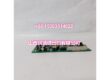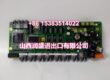
Component Snapshot At-a-Glance
- Model: FDC280 RH101FQ
- Alt. P/N: is the full model identifier; no direct factory cross-reference replacement
- Product Series: series industrial rack cooling fans for control system enclosures
- Hardware Type: 24VDC centrifugal forced-air fan tray with speed monitoring circuit
- Key Feature: Built-in hall-effect RPM sensor for fan loss fault reporting, fully conformal coated PCB
- Primary Field Use: Continuous cooling for Woodward MicroNet, GE Mark VIe and TMR SIS racks in gas turbine and refinery control rooms.
Hard-Numbers: Technical Specifications
- Protocol Support: Proprietary rack backplane fault monitoring signal, dry contact fault relay output
- Port Count: 2-pin 24VDC power terminal, 3-pin fault signal connector, rear backplane latching contacts
- Baud/Data Rate: Analog RPM pulse signal, no digital serial bus
- Operating Temperature: 0°C to +60°C full airflow output; derate performance above 50°C cabinet ambient
- Isolation Rating: 1000VAC isolation between fan motor power and fault monitoring logic
- Power Draw: Typical 22W, peak 26W startup surge; supply range 20–32VDC
- Airflow Rate: 280 m³/h balanced lateral cooling for vertical rack card rows
- Vibration Tolerance: 5g continuous hull vibration, certified for offshore and turbine building environments
- Hot Swap: Fully hot-swappable; no full rack LOTO required for replacement
- Ingress Protection: IP20 tray assembly; sealed fan motor against oil mist and condensation
- Unit Weight: 1.78 kg
The Real-World Problem It Solves
Passive convection cooling cannot dissipate heat from densely packed TMR CPU, power supply and analog I/O modules in sealed turbine cabinets. Unmonitored generic fans stall silently without triggering alarms, leading to gradual PCB overheating, logic resets and unplanned turbine trips. Non-coated fan control boards corrode rapidly in salt fog or hydrocarbon vapor environments, causing intermittent false fan fault alarms during peak unit load cycles.Where you’ll typically find it:
- Combined-cycle gas turbine Mark VIe and Woodward MicroNet TMR control racks
- Offshore oil platform SIS safety instrumented system cabinet cooling assemblies
- Refinery steam turbine generator DCS enclosures with high-density I/O card layoutsOnboard speed monitoring eliminates undetected fan failure risks, high airflow capacity maintains safe PCB operating temperatures, and corrosion resistant construction extends service life in harsh industrial control room atmospheres.
Hardware Architecture & Under-the-Hood Logic
This cooling tray contains brushless DC fan motors and a dedicated monitoring PCB; it does not execute control logic, only reports fan health status to the rack chassis monitor via hardwired fault signals. Isolation circuits block motor switching noise from interfering with adjacent DCS communication cards.
- 24VDC rack supply feeds isolated driver circuits to power dual parallel brushless centrifugal fans.
- Hall-effect sensors fitted on each fan impeller track real-time rotational speed to detect locked rotor or partial stall conditions.
- On-board logic compares measured RPM against factory threshold; triggers fault relay output if speed drops below acceptable range.
- Conformal coated PCB prevents short circuits caused by condensed moisture or fine oil dust buildup inside the cabinet.
- Latching rear edge contacts carry both 24V power and fault status signals to the rack backplane without extra wiring.
- Front panel two-color LED provides local visual status: green for normal running, red for fan speed fault or power loss.
- Optimized airflow duct directs cool intake air across high heat-generating CPU and power supply modules to prevent thermal foldback.
Field Service Pitfalls: What Rookies Get Wrong
Clogged Intake Vents From Unmaintained Cabinet Air Filters
New technicians skip quarterly filter cleaning. Oil mist and dust block fan intake grilles, cut airflow by over 40% and trigger thermal overheat trips on TMR CPU modules during heavy turbine load operation.Field Rule: Blow intake vents with dry nitrogen at under 50 PSI every 90 days; replace cabinet filter every 6 months in refinery and offshore sites.
Installing Non-OEM Unmonitored Aftermarket Fan Trays
Junior staff fit generic fan units without RPM feedback circuits as low-cost spares. The rack chassis receives no fan loss telemetry, stalled fans remain undetected until control hardware overheats and faults out.Quick Fix: Only deploy genuine fan trays; verify front fault LED and chassis alarm trigger after every tray swap before returning the rack online.
Misaligned Rear Backplane Connectors During Tray Insertion
Field workers force the fan tray into the rack slot without parallel rail alignment. Bent backplane pins break fault signal communication and generate constant false fan failure alarms on the plant HMI.Field Rule: Slide the tray evenly along cabinet guide rails until full latch engagement; visually inspect rear contact pins for bending after each installation.
Commercial Availability & Pricing Note
Please note: The listed price is for reference only and is not binding. Final pricing and terms are subject to negotiation based on current market conditions and availability.