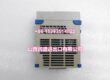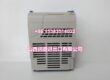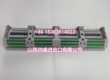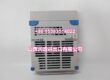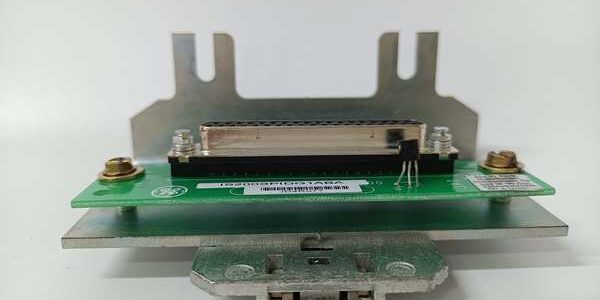
Component Snapshot At-a-Glance
- Model: IS200SPIDG1A
- Alt. P/N: IS200SPIDG1ABA (updated conformal coated revision)
- Product Series: GE Speedtronic Mark VI / Mark VIe Turbine DCS
- Hardware Type: Passive PROFIBUS gateway signal termination PCB (SPID = Serial PROFIBUS ID board)
- Key Feature: Onboard board ID chip + 2500VAC channel-to-backplane isolation for PROFIBUS DP wiring
- Primary Field Use: Terminate field PROFIBUS DP slave wiring and route bus signals to paired IS220PPRFH PROFIBUS master I/O packs for turbine auxiliary devices.
Hard-Numbers: Technical Specifications
- Protocol Support: PROFIBUS DP, Mark VIe proprietary IONet backplane bus, ToolboxST diagnostic interface
- Port Count: 1×DB9 PROFIBUS fieldbus D-Sub, dual multi-pin backplane ribbon connectors, screw terminal field bus blocks
- Baud/Data Rate: PROFIBUS DP up to 12 Mbps; IONet Ethernet 10/100 Mbps for pack communication
- Operating Temperature: -25°C to +50°C full rated operation; max +60°C derated in sealed turbine enclosures
- Isolation Rating: 2500VAC galvanic isolation between field PROFIBUS wiring and rack backplane circuits
- Power Draw: Passive signal board, draws ≤4W 28VDC from mating IS220PPRFH I/O pack
- PROFIBUS Compatibility: Supports up to 31 DP slave devices per bus trunk, standard RS485 physical layer
- ESD Protection: ±6kV contact discharge, ±12kV air gap discharge on all field bus terminals
- PCB Treatment: Factory conformal coating (ABA suffix fully coated; base A version thin coat)
- Mount Format: Metal bracket screw mount inside standard Mark VIe control cabinets
- Unit Weight: 0.5kg; FR4 flame retardant multilayer PCB
The Real-World Problem It Solves
Unisolated generic terminal blocks let VFD and turbine ground loop noise corrupt PROFIBUS DP signals, triggering random slave dropouts and lost auxiliary valve/actuator telemetry. Non-ID blank terminal boards require manual hardware tree configuration every swap, leading to bus communication failures on startup. Uncoated base PCBs degrade quickly in oil mist turbine houses, creating intermittent high-resistance bus connections that fail annual SIS proof tests.Where you’ll typically find it:
- Combined-cycle gas turbine Mark VIe racks connecting lube oil pumps, bleed valve positioners, and flame scanners via PROFIBUS
- Steam turbine generator MCC panels routing PROFIBUS signals to vibration monitors and auxiliary gensets
- Refinery turbine compressor ESD cabinets for remote PROFIBUS flow/pressure transmittersIntegrated bus isolation and auto-ID chip eliminate external signal isolators, cut commissioning setup time, and stabilize PROFIBUS communication under high electrical interference turbine environments.
Hardware Architecture & Under-the-Hood Logic
This is a passive termination board with no onboard processing; all PROFIBUS master stack and bus fault detection runs exclusively on the paired IS220PPRFH I/O pack. Isolation filters block transient voltage noise before bus signals reach the rack backplane.
- Removable screw terminal blocks accept shielded PROFIBUS DP trunk wiring, with dedicated A/B data lines and shield earth terminals.
- Per-bus-channel RC low-pass filter networks suppress high-frequency switching noise from nearby variable frequency drive cabling.
- Independent 2500VAC isolation barrier separates field PROFIBUS RS485 circuits from dual backplane ribbon cable connectors.
- Onboard non-volatile ID resistor chip transmits board model and bus channel count to IS220PPRFH on power-up for automatic hardware tree recognition.
- Side-mounted DB9 D-Sub port provides secondary PROFIBUS tap for temporary service tool connection without breaking the main bus trunk.
- Dual shielded multi-pin backplane cables route filtered, isolated PROFIBUS differential signals directly to the IS220PPRFH gateway I/O pack.
- No local bus processing; raw RS485 differential bus states pass straight to the master I/O pack for slave polling and HMI status reporting.
Field Service Pitfalls: What Rookies Get Wrong
Dual-End Grounding PROFIBUS Cable Shields Breaks Bus Stability
New technicians ground PROFIBUS shield braid at both the SPID terminal board and remote slave junction boxes. Parallel ground paths induce circulating AC noise, causing constant slave timeouts and flickering device tags on the turbine HMI.Field Rule: Ground PROFIBUS shield only at the Mark VIe control cabinet terminal strip; fully tape and isolate shield conductors at all remote field slave enclosures.
Installing Uncoated Base Boards In Turbine Houses
Junior crews deploy non-ABA uncoated SPID boards in high-humidity turbine enclosures. Oil mist and condensation corrode PCB traces within 12 months, triggering intermittent bus open faults during unit load swings.Quick Fix: Only use IS200SPIDG1ABA fully conformal coated units for turbine house installs; visually verify uniform green protective coating before rack energization.
Improper PROFIBUS Termination Resistor Handling Creates Signal Reflections
Field technicians leave the 120Ω bus termination resistor enabled on mid-trunk SPID boards instead of only the final bus end device. Signal reflections distort DP communication and drop slave devices under high baud rates.Field Rule: Toggle termination resistor jumper ON only for the last physical PROFIBUS device on the trunk; set jumper OFF for all intermediate boards.
Commercial Availability & Pricing Note
Please note: The listed price is for reference only and is not binding. Final pricing and terms are subject to negotiation based on current market conditions and availability.