Component Snapshot At-a-Glance
- Model:
- Alt. P/N: No factory cross-reference equivalent; paired exclusively with Trusted TMR chassis
- Product Series: ICS Triplex Trusted SIL3 Triple Modular Redundant SIS Safety Platform
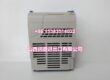
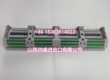
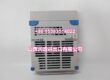
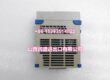
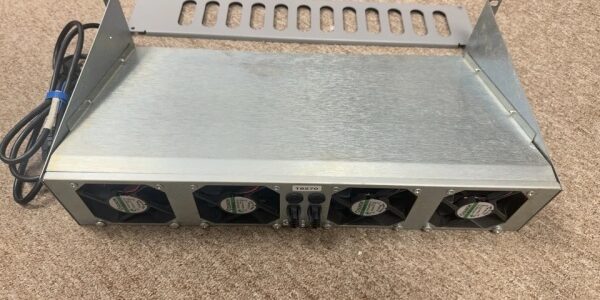
- Hardware Type: Rack-mounted forced air cooling fan tray assembly
- Key Feature: Full hot-swappable design, 24VDC dual fan layout, front fault LED monitoring
- Primary Field Use: Deliver continuous forced convection cooling for Trusted processor, power supply and I/O modules to prevent thermal SIS shutdown trips
Hard-Numbers: Technical Specifications
- Protocol Support: Proprietary Trusted chassis backplane fault monitoring bus
- Port Count: Rear edge connector for chassis power & fault signal communication
- Operating Voltage: 20–32 VDC nominal 24VDC rack supply
- Operating Temperature: 0 °C to +60 °C continuous rack ambient; derate airflow above 50 °C
- Storage Temperature: -40 °C to +85 °C
- Isolation Rating: 1000 VAC isolation between fan power and TMR safety logic circuits
- Power Draw: Typical 18 W, max 22 W peak startup
- Airflow Rate: 69 m³/h (40.6 CFM) balanced chassis cooling
- Noise Rating: 32 dB(A) low-vibration dual brushless fans
- Hot Swap: Fully hot-swappable; no full SIS rack lockout required for replacement
- Ingress Protection: IP20, sealed SIS cabinet mounting only
- Vibration/Shock Rating: 5g vibration up to 2000 Hz; 30g 11ms shock tolerance
- Physical Dimensions: Standard Trusted chassis slot form factor; weight 1.86 kg
- Fault Detection: Fan speed loss, overcurrent, tray power loss monitored via chassis backplane
The Real-World Problem It Solves
Uncooled Trusted SIS chassis traps heat from TMR processors and high-wattage power packs. Internal PCB temperatures exceed 60°C within hours, triggering thermal watchdog trips that force full ESD activation and unplanned plant shutdowns. Non-hot-swap single-fan trays require complete SIS rack power isolation for service, violating SIL3 proof-test permit protocols and extending downtime. Low-quality aftermarket fan units lack chassis fault reporting; dead fans go undetected until safety logic faults activate.Where you’ll typically find it:
- Offshore oil platform Trusted SIS racks managing wellhead ESD and fire suppression interlocks
- Refinery hydrocracker SIL3 safety cabinets housing T8110 TMR processors and analog I/O modules
- Combined-cycle gas turbine safety control chassis monitoring overspeed and low lube oil trip loops
Bottom-line value statement: Dual brushless hot-swappable fan tray with native chassis fault reporting maintains safe operating temperatures for TMR safety hardware and eliminates full rack shutdown during cooling system maintenance.
Hardware Architecture & Under-the-Hood Logic
This passive cooling assembly does not run safety control logic; it communicates fan health telemetry to the Trusted chassis monitor board via rear backplane contacts. Galvanic isolation separates fan power from SIL3 rated safety circuits to avoid electrical noise interference.
- 24VDC rack power feeds isolated brushless fan driver circuits for dual parallel cooling fans
- Hall-effect speed sensors on each fan track rotational RPM; speed drop signals flag partial/complete fan failure
- On-board fault logic buffers fan loss and overcurrent alarms, transmits status over chassis backplane to TMR processors
- Front-panel bi-color LED shows normal running (green) or fan fault/overheat alarm (red) for quick visual inspection
- Balanced airflow path directs cool intake air across processor, power supply and analog I/O card heat sinks
- Hot-swap pin sequencing disconnects fan power before breaking fault signal contacts to avoid chassis alarm spiking during tray extraction/insertion
Field Service Pitfalls: What Rookies Get Wrong
Blocked Intake Vents From Uncleaned Cabinet Filter Debris
New technicians skip quarterly filter cleaning. Oil mist and dust clog tray intake grilles, cutting airflow by 40% and triggering intermittent thermal SIS trips during high unit load conditions.
- Field Rule: Blow intake vents with dry nitrogen (<50 PSI) every 90 days; replace cabinet air filter every 6 months in refinery/offshore environments.
Aftermarket Non- Fan Trays Installed Without Fault Reporting
Junior crews fit generic unmonitored cooling trays as cost-cutting spares. Chassis receives zero fan health telemetry; dead fans go unnoticed until safety module overheat faults occur.
- Quick Fix: Only OEM trays permitted for SIL3 certified racks; verify fault LED and backplane alarm response post-install before returning SIS to service.
Forcing Tray Insertion Misaligning Backplane Signal Pins
Field technicians jam tray into chassis slot without aligning rear edge connector. Bent backplane pins break fault communication, triggering constant false fan failure alarms in the safety HMI.
- Field Rule: Slide tray parallel to chassis rails; confirm full latch engagement before energizing fan power; inspect rear connector pins for bending during every swap.
Commercial Availability & Pricing Note
Please note: The listed price is for reference only and is not binding. Final pricing and terms are subject to negotiation based on current market conditions and availability.