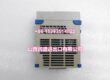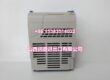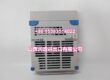
Component Snapshot At-a-Glance
- Model: CI546, full factory part number 3BSE012545R1
- Alt. P/N: No direct drop-in VIP replacement; generic serial CI modules lack native VIP protocol stack for Advant host communication
- Product Series: ABB S100 I/O, Advant OCS, Advant Controller 450 (PM511V16 CPU) legacy DCS platform
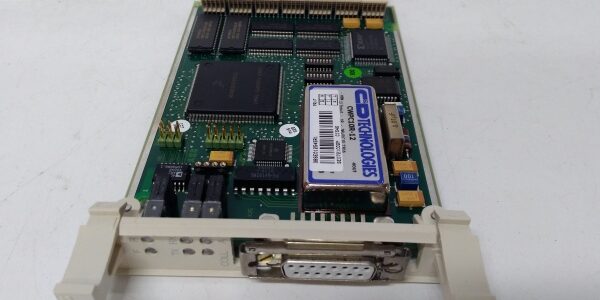
- Hardware Type: Single-slot RF522 master rack plug-in VIP communication PCB, rear 96-pin S100 backplane connector, front D-Sub VIP serial port, multi-status LED array
- Key Feature: Dedicated VIP protocol communication interface with galvanic isolation, transfers process data, alarms and trend logs between PM511 CPU and external SCADA/operator host stations
- Primary Field Use: Bridge the S100 master CPU to VIP protocol HMI servers, historian workstations and remote operator consoles for plant-wide process visualization and data archiving
Hard-Numbers: Technical Specifications
- Protocol Support: Proprietary ABB VIP communication protocol, bidirectional data exchange with PM511 over S100 backplane
- Port Count: 1 x 9-pin D-Sub VIP serial field port, full rear S100 backplane edge connector
- Baud/Data Rate: Max VIP serial baud rate 19.2 kbps, synchronous 1 Mbit/s S100 backplane bus scan timing
- Operating Temperature: 0°C to +55°C cabinet operational; -40°C to +70°C storage, non-condensing 5–95% RH
- Isolation Rating: 1500VAC galvanic isolation between VIP serial field port and backplane logic domain
- Power Draw: Max 3.5W total module load, fed 24VDC from RF522 master rack backplane rail
- Topology Support: Point-to-point and multi-drop VIP host station bus layouts
- Diagnostic Buffer: Onboard register cache stores transmit/receive error codes for HMI fault alarming
- Physical Weight: 0.17 kg, single slot Eurocard dimensions, IP20 cabinet-only mounting
- Certifications: CE, UL/cUL, IEC 61010-1 industrial control safety compliance
The Real-World Problem It Solves
Running direct RS232 serial lines from PM511 CPU front service ports to SCADA hosts ties up the programming port, blocking offline firmware upgrades and bench diagnostic access during plant runtime.Unisolated serial communication links create cross-cabinet ground loop currents between control room host PCs and RF522 master racks; VFD switching noise scrambles VIP telegrams, triggering random HMI data freeze and lost trend samples.External third-party serial protocol converters add extra DIN rail hardware, separate 24V power feeds and additional wiring failure points in densely packed control cabinets.Where you’ll typically find it:
- Combined cycle power plant RF522 turbine master racks paired with PM511V16 CPU, connecting to VIP operator HMI and unit performance historian servers
- Refinery central Advant OCS DCS main chassis feeding process pressure, temperature and valve setpoint data to central plant SCADA workstations
- Pulp mill recovery boiler master control racks transmitting web speed, liquor flow and safety interlock status to remote pulp line operator consolesThis dedicated rack-mounted VIP interface frees the CPU service port for maintenance tasks, electrically isolates host serial wiring from the control backplane, and eliminates extra external protocol conversion hardware for Advant OCS host communication.
Hardware Architecture & Under-the-Hood Logic
This board integrates dedicated VIP protocol processing ASIC and isolated serial transceiver circuits; no standalone process control CPU, only handles bidirectional translation between backplane data and VIP serial frames.
- 24VDC RF522 rack backplane power feeds internal EMI filters, isolated DC-DC power converters splitting logic side and VIP serial field side power domains, front panel status LED drivers.
- All outgoing/incoming VIP serial signals pass discrete TVS surge suppression to block ESD and cable induced transient voltage spikes from long control room serial cable runs.
- Galvanic isolation barrier fully separates master rack chassis ground and host PC cabinet ground, eliminating circulating ground loop noise currents that corrupt serial data frames.
- Onboard VIP protocol ASIC repackages backplane process values, alarm events and fault logs into standardized VIP serial frames for transmission to external host stations; inbound host setpoint commands are parsed and forwarded to the PM511 CPU.
- Front LED bank displays bus link active, VIP serial transmit traffic, receive traffic and serial link fault states; communication error counters buffer to backplane registers for CPU HMI alarming and troubleshooting.
Field Service Pitfalls: What Rookies Get Wrong
Using Generic RS232 Serial Interface Cards To Replace CI546 VIP Module
Junior technicians install spare universal serial communication boards without verifying VIP protocol stack compatibility. Missing native VIP firmware prevents proper data framing, all HMI screens pull blank or frozen process values after card swap.
- Field Rule: Only deploy CI546 for dedicated VIP host communication slots; reserve generic serial CI modules for non-VIP third-party device integration only.
Running Unshielded Serial Cable Between CI546 D-Sub Port And SCADA Hosts
Field crews deploy unshielded low-grade control wire for VIP serial trunk runs. Inductive coupling from adjacent power and VFD cables distorts serial signal waveforms, triggering daily HMI data dropout alarms during peak production shifts.
- Quick Fix: Install factory shielded twisted pair serial cable; single-point ground cable shield only at the RF522 master rack CI546 terminal end, leave host PC side shield floating.
Hot-Swapping CI546 Module With Master Rack Energized
’s isolated serial transceiver and bus buffer circuits lack hot-swap rated hardware. Removing the live communication card creates open bus transients that crash the PM511 master CPU and cut all plant HMI process visualization.
- Field Rule: Cut master rack 24VDC supply breaker and wait 30 seconds for backplane rails to discharge before removing or inserting the VIP communication module.
Commercial Availability & Pricing Note
Please note: The listed price is for reference only and is not binding. Final pricing and terms are subject to negotiation based on current market conditions and availability.