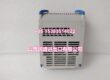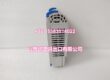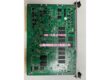
Product Quick Summary
- Model: PPC380AE01
- Part Number: HIEE300885R0001
- Brand: ABB
- Core Function: Control board / control panel for industrial automation systems
- Voltage: 24V DC
- System Memory: 8 MB
- Weight: Approx. 2 kg
- Condition: New surplus / legacy discontinued — ready to ship
- Origin: Sweden
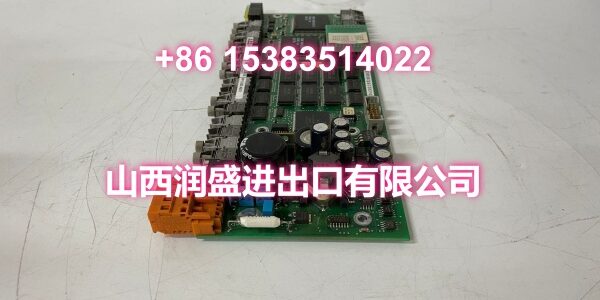
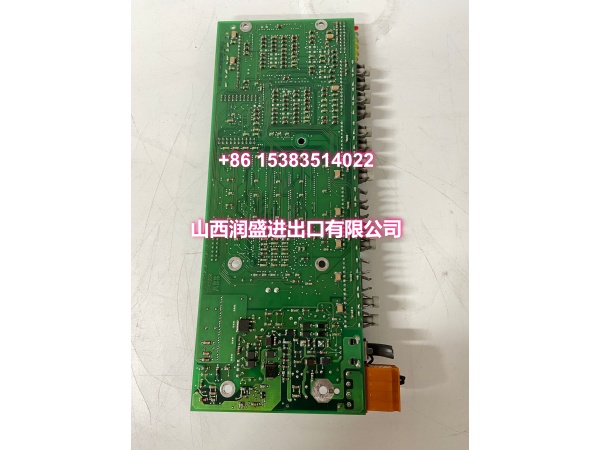
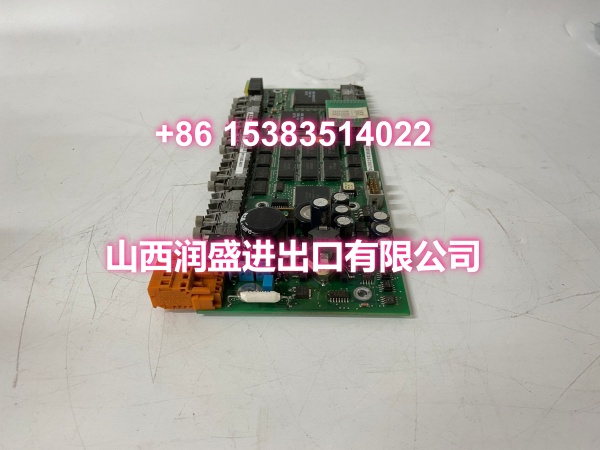
The PPC380AE01 is an ABB control board (also referenced as HIEE300885R0001) used in industrial automation systems for precise process control and monitoring. It features a wide input voltage range, compact design, and robust construction suitable for demanding industrial environments.
Core Technical Specifications
| Parameter | Detail |
|---|---|
| Product Type | Control Board / Control Panel |
| Part Number | |
| Brand | ABB |
| Operating Voltage | 24V DC |
| Current Range | 100–400A |
| System Memory | 8 MB |
| Weight | Approx. 2 kg |
| Protection Features | Over-current, over-temperature, short-circuit protection |
| Alarm Type | Light alarm |
| Certifications | CE, UL |
| Condition | New surplus / legacy |
Engineer’s Perspective
The ABB () is a control board designed for industrial automation applications where precise process control and monitoring are critical. If you’re maintaining a system that relies on ABB control hardware and need a replacement for a failed board, this unit is the direct-fit component that keeps your control loop operational without re-engineering the system.
The board operates on a 24V DC supply and is designed to handle current loads in the range of 100–400A, making it suitable for medium-to-heavy industrial applications. It features 8 MB of system memory for storing control logic and configuration parameters. The compact form factor — weighing approximately 2 kg — makes it easy to integrate into existing control cabinets or retrofit into legacy systems where space is at a premium.
One of the key strengths of the PPC380AE01 is its built-in protection mechanisms. It includes over-current protection, over-temperature protection, and short-circuit protection, which are essential for ensuring stable operation under high-load or elevated-temperature conditions. These safeguards help prevent cascading failures and reduce unplanned downtime in critical processes.
The board supports multiple input/output configurations and control modes, including PWM control and voltage control, giving you flexibility in how you interface it with field devices. It can also integrate analog input functionality for monitoring and acquiring signals such as temperature, pressure, and flow — converting them to digital signals for the control system to process.
Here’s the reality: the PPC380AE01 is a legacy component. ABB has moved on to newer control platforms, which means sourcing a genuine, tested unit is the only way to keep your existing system running without migrating to a new platform and redeveloping all your control logic. The ABB is not a part you want to source from an unverified supplier — counterfeit boards or units with degraded components are a real risk in the aftermarket.
Installation, Compatibility & Risk Avoidance
Part number verification: The PPC380AE01 is referenced under multiple part numbers in the aftermarket, including and HIEE300885R1. These typically represent different revisions of the same board. Before ordering, verify which revision your system requires — revision-level changes may affect pinout, firmware compatibility, or feature sets. Confirm with your engineering team or check the label on the existing board before placing an order.
Voltage compatibility: The PPC380AE01 operates on a 24V DC supply. Verify that your control cabinet’s power distribution matches this requirement before installation. Connecting the board to an incorrect voltage can cause immediate and irreversible damage.
Current rating: The board is rated for 100–400A. Ensure your application’s current draw falls within this range. Operating above the rated current can trigger over-current protection or cause thermal damage over time.
Protection features: The board includes over-current, over-temperature, and short-circuit protection. If the board trips on any of these protections, investigate the root cause before resetting — simply power-cycling without addressing the underlying issue can lead to repeated failures.
Analog input capability: Some configurations of the PPC380AE01 include analog input functionality for monitoring temperature, pressure, flow, and other process variables. If your application requires analog signal acquisition, verify that the specific unit you’re purchasing includes this capability — not all revisions may have the same I/O configuration.
Application download: The PPC380AE01 ships without your control program. You’ll need to download the application from your engineering station using ABB’s configuration software. Ensure your project file matches the target hardware and that communication parameters match your system’s configuration.
Physical installation: The board uses standard interfaces and a compact design for easy installation. Verify that the mounting rails or slots in your control cabinet match the board’s form factor. Secure all connections firmly — loose terminals can cause intermittent faults or arcing.
Field Note: Before removing the failed board, photograph all terminal connections, DIP switch positions, and LED status indicators. Note the firmware version if accessible. Also document any custom configuration parameters stored in the board’s memory. This documentation will save significant troubleshooting time when the replacement doesn’t come up immediately.
Natural FAQ
What’s the difference between HIEE300885R0001 and HIEE300885R1? These are different revision identifiers for the PPC380AE01 board. R0001 typically represents the original or an earlier revision, while R1 indicates a later revision with potential hardware or firmware improvements. In many cases, later revisions are backward-compatible, but you should verify pinout and firmware compatibility with your engineering team before deploying a different revision.
Can I use this board for analog signal monitoring? Yes, some configurations of the PPC380AE01 include analog input functionality for monitoring and acquiring signals such as temperature, pressure, and flow. However, not all revisions may have the same I/O configuration — verify that the specific unit you’re purchasing includes the analog input capability your application requires.
What happens if the board trips on over-current protection? The board will shut down output to protect itself and downstream equipment. Investigate the root cause of the over-current condition — it could be a short circuit, an overloaded load, or a faulty field device. Do not simply reset the board without addressing the underlying issue, as this can lead to repeated trips or permanent damage.
Is this board tested before shipping? Yes. Every unit goes through incoming visual inspection, anti-counterfeit verification, live functional testing (power-on, communication, I/O verification), and static-proof packaging before it leaves our facility. We don’t ship untested legacy parts.
Do you offer warranty or return support? All modules are covered under our in-house warranty policy. If the ABB fails to operate correctly upon installation under normal conditions, contact our support team for replacement or refund options.
Need the ABB configuration software download procedure or the PPC380AE01 wiring diagram? I can walk through those for your installation reference.