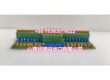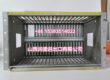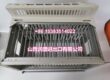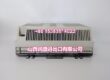
Component Snapshot At-a-Glance
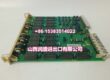
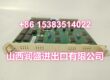
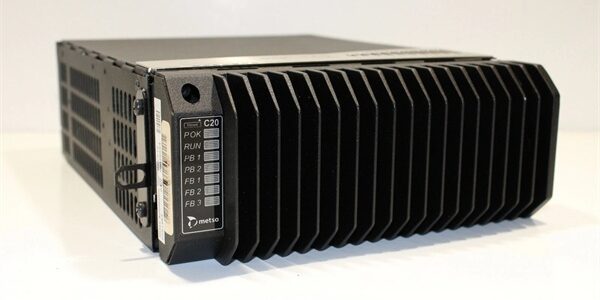
- Model: METSO D201832, IPSP Integrated Power Supply Module
- Alt. P/N: No direct cross-compatible drop-in power unit; generic 24V DIN rail supplies lack multi-isolated logic rails and backplane pinout matching AP31 RT node chassis
- Product Series: Metso DNA AP31 remote I/O rack power supply family, dedicated to mate with RT node base unit D200137
- Hardware Type: Horizontal rack plug-in power PCB, front terminal block for main AC/DC input, multi-status LED array, gold-plated rear backplane power edge connector
- Key Feature: Wide-range dual AC/DC input, four fully isolated stabilized logic rails (+5V, ±15V, 24VDC), independent per-rail short-circuit protection, convection cooled no fan design
- Primary Field Use: Convert raw station AC/DC supply to clean isolated multi-rail logic power for all AP31 RT node personality I/O cards (D201471, D201472, D201473) in distributed remote I/O cabinets.
Hard-Numbers: Technical Specifications
- Protocol Support: No external fieldbus; proprietary DNA RT node backplane power distribution bus
- Port Count: 1 main AC/DC input terminal block, four isolated DC output rail internal backplane feeds
- Baud/Data Rate: N/A power module, no data scan cycle
- Operating Temperature: -20°C to +70°C cabinet operational; -40°C to +85°C storage
- Isolation Rating: 2500Vrms transformer isolation between main input and all logic output rails
- Power Draw: Max 120W total continuous output capacity, 1.4A typical draw at 120VAC input
- Main Input Power: AC 85–265V 50/60Hz; DC 40–150VDC station battery dual universal input
- Regulated Output Rails: +5V / 2.5A, +15V / 2.5A, -15V / 2.5A, 24VDC / 2.5A isolated per rail
- Built-In Protections: Input reverse polarity lockout, OVP, OCP, thermal shutdown, auto-recovery short circuit protection
- EMC Compliance: IEC 61000-6-2 industrial substation surge, VFD noise and cabinet vibration immunity
- PCB Treatment: Full acrylic anti-sulfur, anti-moisture conformal coating for pulp mill high-humidity cabinets
- Physical Weight: 1.2kg standard single rack slot form factor
The Real-World Problem It Solves
Stacking separate single-rail DIN rail DC-DC converters fills multiple RT node rack slots and adds dozens of vibration-prone wiring splices that corrode in humid pulp mill environments. Generic power supplies lack full galvanic isolation, creating ground loop voltage skew that distorts analog transmitter readings on personality I/O cards.Fan-cooled third-party power supplies suffer bearing failure in dusty mineral processing MCC cabinets; convection-only design eliminates moving part wear points and cuts annual maintenance hours.Where you’ll typically find it:
- Pulp & paper machine remote RT node cabinets powering stock flow analog and valve digital I/O personality cards
- Mineral concentrator grinding/flotation MCC remote I/O racks feeding D201471 mixed DI/relay output modules
- Wastewater treatment plant remote field control node cabinets with multi-sensor analog and interlock binary signal hardwareThis single-slot rack integrated power module consolidates four isolated logic rails in one unit, removes ground loop measurement drift risks, and eliminates fan-related power supply downtime for remote distributed I/O racks.
Hardware Architecture & Under-the-Hood Logic
This module uses two-stage isolated high-frequency switching conversion topology, no embedded CPU; all voltage regulation and fault protection runs on discrete power control circuits, built exclusively to feed the RT node backplane.
- Raw station AC or DC input enters multi-stage LC EMI filter front-end to strip MV breaker and VFD switching transients before primary switching conversion stage.
- High-frequency shielded isolation transformer generates four fully separated regulated DC output rails, each with independent closed-loop voltage regulation to hold ±1% tolerance across full 0–100% load swing.
- Every output rail features dedicated fast current-limiting circuit; a shorted personality I/O card on one rail will not crash the other three logic power supplies.
- Rear gold-plated backplane edge connector distributes all four isolated DC rails to every personality card slot on the RT node chassis, power traces fully separated from signal bus traces to eliminate switching crosstalk.
- Front panel multi-color LED array for direct visual troubleshooting: green = rail healthy, red = overload / overheat / input loss fault with no DCS workstation required for power fault diagnosis.
Field Service Pitfalls: What Rookies Get Wrong
Swapping Generic DIN Rail 24V Supplies In Place Of Rack Power Module
New technicians mount aftermarket single-rail DC supplies to bypass the module. Generic units lack ±15V analog signal rails and full channel isolation; analog AI signal readings drift severely and trigger constant false process alarms.Field Rule: Only deploy factory as the sole RT node rack power source; never substitute standalone DIN rail converters for rack backplane power feeds.
Hot-Swapping While All Personality I/O Cards Remain Live
Junior crews pull the power module while field analog/digital wiring stays energized. Sudden total loss of rack logic power creates large common-mode voltage transients, damaging all connected D201471/D201472 personality card ADC and opto-isolation circuits.Quick Fix: Lock out main cabinet AC/DC input breaker, short all analog transmitter loops and de-energize all 24V field DI/DO wiring before extracting the power module.
Routing Unshielded CT/PT Analog Signal Cables Parallel To Main Input Power Harnesses
Wiring crews run raw field analog sensor cables alongside the module AC/DC input wiring. Switch-mode power supply EMI distorts mA analog values, triggering random false high/low process alarms during mill VFD motor startup transients.Field Rule: All analog transmitter wiring must use shielded twisted pair routed in dedicated signal-only cable trays separated from AC/DC power harnesses; single-point shield ground only at the RT node cabinet terminal block.
Commercial Availability & Pricing Note
Please note: The listed price is for reference only and is not binding. Final pricing and terms are subject to negotiation based on current market conditions and availability.