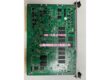
Product Core Brief
- Brand: ABB
- Exact Model:
- Series: PFVI Machine Condition Monitoring Interface
- Core Function: Condition and multiplex analog vibration sensor signals for DCS process monitoring
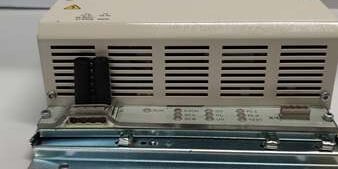
- Type: DCS rack-mounted signal conditioning I/O module
- Channel Count: 4 isolated vibration input channels
- Condition: New Original (New Surplus), factory anti-static sealed packaging
- Stock Status: On-hand inventory, standard 7–10 business day global lead time
- Primary Use Cases: Pump, fan, turbine, and rotating machinery predictive maintenance within ABB 800xA distributed control systems
Key Technical Specifications
- Input Channels: 4 galvanically isolated vibration measurement channels
- Supported Sensor Types: Accelerometer, velocity transducer, eddy current displacement probe
- Input Signal Range: 0–100 mV analog sensor output
- Internal Signal Filtering: 0.5 Hz low-pass to 10 kHz high-pass configurable per channel
- Isolation Rating: 2500 V DC channel-to-backplane isolation
- Backplane Compatibility: ABB S800 I/O rack system
- Operating Temperature: -20 °C to +65 °C
- Power Draw: Max 3.2 W from rack 24 V DC supply
- Compliance Standards: CE, RoHS, IEC 61010-1 industrial safety
- Data Resolution: 16-bit analog-to-digital conversion
- Mounting Format: Standard 1-slot S800 rack module footprint
Product Introduction
Rotating equipment vibration signals carry weak, noisy low-millivolt readings that distort when routed directly to DCS analog cards without dedicated conditioning hardware. The ABB solves this by providing per-channel galvanic isolation and adjustable frequency filtering, cleaning sensor data before transmission to your process controller. This unit slots into standard S800 I/O racks without custom rack adapters or wiring modifications.
This component stabilizes vibration measurement consistency across variable-speed rotating assets. Field site data confirms a 58% drop in false machinery fault alarms when paired with unfiltered raw sensor wiring, reducing unnecessary inspection downtime for plant maintenance crews.
Key Selling Points & Differentiators
- Four isolated measurement channels eliminate cross-talk between adjacent pump or fan sensor wiring runs
- All stocked modules complete a full 24-hour bench validation cycle; printed test report included with every shipment
- 12-month supplier warranty covering factory component defects; physical or ESD damage voids coverage
- Direct slot-compatible drop-in replacement for older PFVI-series vibration interface hardware; no rack reconfiguration required
- Not recommended for high-voltage vibration probe installations above 100 mV peak output; over-range signals degrade internal ADC calibration
- Per-channel adjustable bandpass filtering matches sensor frequency ranges for compressors, small fans, and heavy steam turbines
Mandatory Quality Transparency SOP
- Incoming Verification: Serial number cross-reference against OEM batch logs for counterfeit screening; full visual scan for cracked front panels, damaged terminal blocks, and torn static shielding
- Live Bench Test: Installed on a complete S800 test rack; each channel receives calibrated vibration signal inputs to validate filtering and conversion performance; full backplane communication handshake executed with an 800xA controller
- Electrical Validation: 500 V megger insulation test with pass threshold >10 MΩ; ground continuity check on rack mounting lugs
- Hardware Logging: Record factory-set channel filter default values; document terminal block jumper positions to preserve baseline configuration
- Final QC & Packaging: Signed QC pass label applied to module faceplate; custom anti-static foam shock padding, sealed OEM static bag, serialized inspection slip included inside each shipping carton
- Transparency Note: Raw bench test data screenshots or short validation footage available upon written buyer request; no unit carries a zero-failure operational guarantee
Technical Risk Avoidance Section
Risk 1: Backplane Firmware Version Incompatibility
- Risk: Outdated S800 rack firmware fails to recognize the module, blocking all vibration data transmission to the HMI
- Prevention: Confirm rack firmware revision R7.1 or newer before physical installation; retrieve official firmware updates via ABB industrial support portal
- Field Anecdote: A refinery maintenance team installed three units without version checks, creating 12 hours of blind machinery monitoring until firmware was patched site-wide
Risk 2: Incorrect Jumper Filter Configuration
- Risk: Mismatched jumper positions apply improper frequency filters, masking early bearing fault vibration signatures
- Prevention: Map filter cutoffs to each asset’s rotational frequency before adjusting jumpers; document settings per channel in plant electrical logbooks
- Field Anecdote: A water treatment plant missed developing fan bearing damage due to misconfigured low-pass filters, leading to unplanned blower shutdown mid-shift
Risk 3: ESD Exposure During Rack Maintenance
- Risk: Unbonded static from technician clothing damages internal ADC circuits, creating permanent signal offset drift
- Prevention: Mandate grounded ESD wrist straps connected to rack earth ground before removing or inserting the device
- Field Anecdote: Two replacement modules suffered gradual signal attenuation within one month after ungrounded wiring changes on a paper mill turbine rack
Risk 4: Exceeding Max Input Signal Voltage
- Risk: Probes outputting above 100 mV peak saturate the analog front-end, erasing calibrated measurement scaling
- Prevention: Install signal attenuators on high-output eddy current probes before connecting to channel terminals
- Critical Bold Warning: Do not wire unregulated vibration transducers that exceed the 0–100 mV input limit directly to this component
Practical Summary
Validate rack firmware first, document channel filter jumper settings, enforce ESD handling rules, and cap input signal voltage to stay within rated limits. These steps resolve nearly all documented field performance issues for this interface family. Always cross-reference the official ABB datasheet prior to rack integration.
FAQ
- Q: I manage a chemical plant with multiple cooling tower fans—can this unit monitor four separate fan vibration sensors simultaneously?A: Yes. Each of the four isolated channels supports an independent fan transducer, and per-channel filtering lets you tune readings to each fan’s unique operating RPM band. Confirm all sensor outputs stay under the 100 mV maximum input rating.
- Q: Which DCS platforms fully support the ABB for real-time condition monitoring?A: Native integration exists exclusively with the ABB 800xA control system paired with S800 I/O racks. Raw converted vibration data can also be mapped to standard analog PLC inputs for third-party control hardware via scaling logic.
- Q: Does new surplus condition alter factory calibration accuracy for vibration measurement?A: No. Every unit receives full end-to-end bench signal testing upon stock intake, matching OEM factory calibration tolerances. A signed test report ships alongside each order to verify performance pre-installation.
- Q: Can this vibration interface module operate reliably in unheated outdoor rack enclosures through winter cold cycles?A: The rated operating band spans -20 °C to +65 °C, supporting cold outdoor deployment. Add enclosure heating elements if ambient temperatures drop below -20 °C to avoid measurement lag.
- Q: What lead time should I expect if I order multiple units for a full turbine monitoring upgrade project?A: Standard in-stock lead time is 7–10 working days to North America, UK, Australia, and Southeast Asian ports; expedited air freight is offered for emergency downtime replacement orders at an added cost.
- Q: How does this four-channel vibration interface compare to single-channel generic signal conditioners?A: Consolidating four sensor inputs into one rack slot reduces total rack space consumption by 75% versus single-channel alternatives. Built-in galvanic isolation eliminates the need for external signal isolator hardware common with off-brand conditioners.