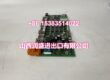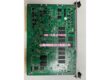
Component Snapshot At-a-Glance
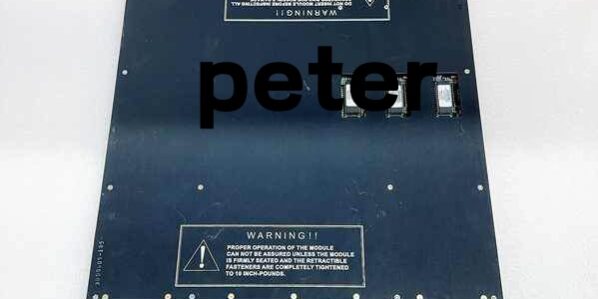
- Model: Triconex 3601E
- Alt. P/N: DC counterpart = 3603E; supervised AC = 3602E
- Product Series: Tricon 3000 TMR I/O Family, CX/EX/RX rack compatible
- Hardware Type: 16-channel non-commoned 115VAC digital output module, hot-swap capable
- Key Feature: 1500VDC channel-to-channel isolation, per-channel fuse/load diagnostics
- Primary Field Use: Drive 115VAC solenoids, contactors, and alarm devices in SIL3 ESD/F&G systems.
Hard-Numbers: Technical Specifications
- Protocol Support: Tricon TriBus backplane only; no external fieldbus/Ethernet
- Port Count: 16 non-commoned, galvanically isolated AC output channels
- Voltage Range: 80–155VAC nominal, 47–63Hz operation
- Current Rating: 2A continuous/channel; 12A peak per cycle
- Isolation Rating: 1500VDC channel-to-channel & field-to-backplane
- Operating Temperature: -40°C to +70°C; -40°C to +85°C storage
- Power Draw: 10W max @ 5VDC backplane; 1.0A nominal
- Leakage Current: ≤2mA @ 60Hz per channel; ≤4mA chassis
- Fusing: 3A fast-acting per-channel field-side fuse
- Certifications: IEC61508 SIL3, UL/CE/ATEX/Class I Div 2
The Real-World Problem It Solves
24VDC modules lack the muscle for older 115VAC plant devices. Non-isolated AC outputs risk cross-phase faults and ground loops that take out entire banks.Where you’ll typically find it:
- Refinery ESD panels driving 115VAC shutdown solenoids and trip relays
- Power plant BMS cabinets for AC fuel valve interlocks and turbine trip circuits
- Offshore F&G systems controlling 115VAC fire dampers and alarm beaconsThis module delivers isolated, fused 115VAC switching to eliminate cross-talk and contain faults to single channels.
Hardware Architecture & Under-the-Hood Logic
Three independent TMR logic legs with opto-isolated AC drivers. No shared return paths; each channel has its own fuse and sense circuit.
- TriBus receives commands from SIS controller and distributes to all three TMR legs.
- Each leg computes independently; 2-out-of-3 vote enables the AC driver for the channel.
- Solid-state relays switch 115VAC to field loads; each channel has isolated positive/negative.
- Onboard sense circuits monitor fuse status and load presence; flags faults per channel.
- Hot-swap logic keeps rack online during replacement; outputs de-energize fail-safe.
Field Service Pitfalls: What Rookies Get Wrong
Mixing 115VAC and 24VDC WiringTechs run 24VDC common returns alongside 115VAC channels. Breaks isolation, creates ground loops, triggers false faults.
- Field Rule: Separate AC and DC wiring entirely. Use dedicated cable trays and terminal blocks.
Ignoring Per-Channel Fuse MaintenanceRookies skip checking 3A field fuses. Blown fuses leave circuits dead with no local indication.
- Quick Fix: Label and inspect every fuse quarterly. Use only 3A fast-acting fuses.
Overloading With Inductive LoadsConnecting large AC solenoids without snubbers causes voltage spikes. Destroys internal SSRs over time.
- Field Rule: Install RC snubbers (0.1μF/100Ω) across all inductive AC loads.
Commercial Availability & Pricing Note
Please note: The listed price is for reference only and is not binding. Final pricing and terms are subject to negotiation based on current market conditions and availability.