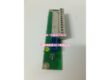
Product Core Brief
- Model: DSPC454
- Order Code: 57310303-F3
- Brand: ABB
- Series: ABB MasterPiece 51 Distributed Control System (DCS)
- Core Function: Main controller module (CPU) that provides core computation, logic control, and real-time data processing for the MasterPiece 51 DCS — executes PID loops, interlock logic, sequence control, and coordinates communication across the control network to maintain deterministic process control.
- Product Type: Main Controller Module (CPU)
- Key Specs: 32-bit industrial processor | Multi-rack I/O expansion support | System-level redundancy capability | MasterBus/Modbus protocol support | 24V DC backplane power | Rack-mount modular design
- Condition: New Original / New Surplus
Key Technical Specifications
- Product Type: Main Controller Module (CPU) for DCS Systems
- Brand: ABB
- Model Number:
- Order Code: 57310303-F3
- Series: ABB MasterPiece 51 Distributed Control System (DCS)
- Core Function: Central processing unit that executes control logic, PID regulation, interlock protection, and data acquisition — serves as the computational core of the MasterPiece 51 control system, ensuring stable production process control
- Processor Architecture: 32-bit industrial-grade processor — delivers high-speed real-time computation with millisecond-level response times for complex process control applications
- Memory Configuration: Integrated program storage and data cache — supports both system program and user logic storage without performance degradation
- Processing Capability: High-speed real-time processing — handles PID loops, interlock logic, sequence control, alarm processing, and trend recording simultaneously with multi-tasking parallel operation
- I/O Expansion: Supports multi-rack cascading — can extend large quantities of DI/DO/AI/AO modules across multiple I/O racks, providing flexible system scalability
- Communication Interfaces: Built-in system bus interface connecting I/O subsystems and communication modules; supports MasterBus, Modbus, and other industrial protocols for seamless integration with host computers, third-party PLCs, and intelligent field devices
- Redundancy Support: System-level redundancy capable — can be configured as redundant CPU pairs for bumpless switchover, ensuring continuous system operation in critical process conditions and improving overall availability
- Power Supply: 24V DC (supplied from system backplane)
- Power Consumption: Approximately 15W (typical)
- Operating Temperature: -20°C to +60°C
- Storage Temperature: -40°C to +70°C
- Relative Humidity: 5% to 95% (non-condensing)
- Mounting Method: Standard cabinet backplane slot installation — modular plug-in format for straightforward replacement in the field
- Protection Rating: IP20 (cabinet-mounted)
- EMC Compliance: Meets industrial EMC standards, resistant to strong electromagnetic interference
- Product Status: Discontinued (spare parts supply) — compatible with full MasterPiece 51 I/O, communication, and power module ecosystem
- Typical Applications: Core controller for continuous and batch process control in power generation, petrochemical, metallurgical, and cement industries; serving as a critical spare part for lifecycle support of mature MasterPiece 51 DCS installations where CPU replacement or redundancy expansion is required
Product Introduction
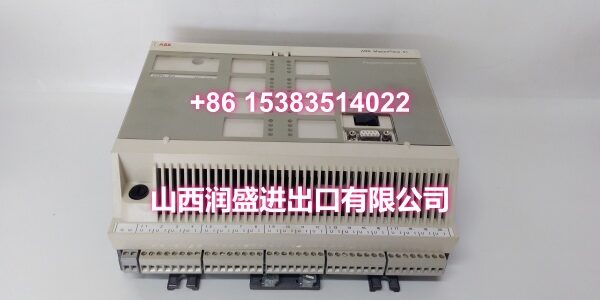
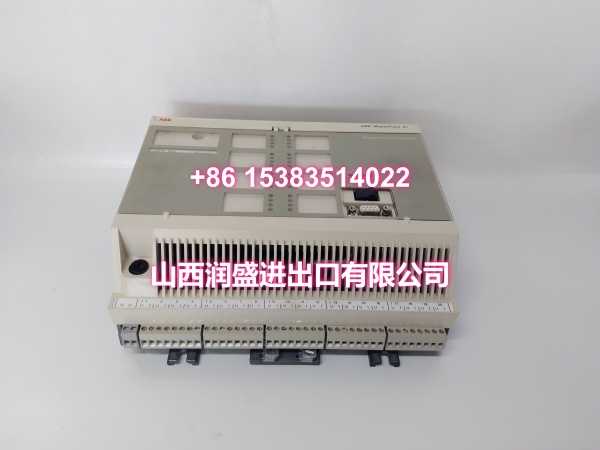
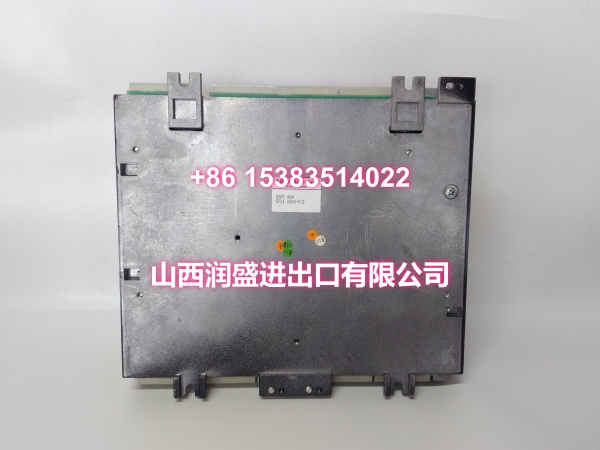
The ABB DSPC454 (order code 57310303-F3) is the main controller module (CPU) for ABB’s MasterPiece 51 distributed control system, engineered to serve as the computational core that drives real-time process control in demanding industrial environments. As the central processing unit of the MasterPiece 51 architecture, the DSPC454 is responsible for executing the control logic that keeps industrial processes running — from basic on/off sequencing to complex PID regulation, interlock protection, and multi-variable control strategies.
What distinguishes the DSPC454 is its 32-bit industrial-grade processor architecture, which delivers high-speed real-time computation with millisecond-level response times. In a typical installation, the module handles multiple control tasks simultaneously — executing time-critical control loops, processing alarm conditions, recording trend data, and managing communication with field devices and host systems — all without performance degradation. This multi-tasking parallel processing capability makes it particularly valuable for complex process applications where control loop timing and data integrity are critical.
The module’s integrated memory configuration supports both system program and user logic storage, allowing plant engineers to implement sophisticated control strategies without external memory expansion. Its multi-rack cascading capability means the DSPC454 can manage large quantities of DI/DO/AI/AO modules across multiple I/O racks, providing the scalability needed for plants that have expanded their control scope over time. The built-in system bus interface connects seamlessly to I/O subsystems and communication modules, while support for MasterBus, Modbus, and other industrial protocols enables integration with host computers, third-party PLCs, and intelligent field devices without requiring additional gateways.
For MRO procurement teams maintaining mature MasterPiece 51 installations, the DSPC454 is a foundational spare part. As a discontinued product, availability of genuine units is critical for lifecycle support — a CPU module failure can bring an entire control system offline, resulting in production shutdown and significant financial loss. The DSPC454’s system-level redundancy capability adds another layer of protection: when configured as redundant CPU pairs, the system can perform bumpless switchover in the event of a primary CPU failure, ensuring continuous operation in critical process conditions.
The module’s industrial-grade construction — featuring robust metal framing, wide-temperature operation (-20°C to +60°C), and EMC compliance — makes it suitable for harsh industrial environments including power plants, chemical facilities, steel mills, and cement plants. Its modular rack-mount design allows for straightforward replacement in the field, with the module sliding into the designated backplane slot without complex rewiring.
QA & Testing SOP
Every unit undergoes a standardized verification process before shipment:
- Visual & Anti-Counterfeit Check: Inspect the module housing for proper ABB branding and part number marking (DSPC454, 57310303-F3). Check for physical damage including cracked PCB, damaged connector pins, burnt components, or signs of moisture ingress (corrosion, white residue on contacts).
- Connector Pin Inspection: Examine the backplane connector pins for straightness, corrosion, or bending. Bent pins can cause intermittent connections or short circuits when inserted into the MasterPiece 51 chassis.
- Backplane Power Test: Insert the module into a test MasterPiece 51 chassis and verify that it correctly draws 24V DC power from the backplane with no abnormal current draw or voltage drop (typical consumption ~15W).
- Processor Boot Test: Power up the module and verify that the 32-bit processor boots correctly, initializing without errors and entering a ready state.
- Memory Integrity Test: Run a comprehensive memory test to verify that all program storage and data cache regions are accessible and error-free, with no bit errors or address faults.
- Real-Time Processing Test: Execute a standard control program on the module and verify that it processes control loops with deterministic millisecond-level scan times, with no missed scans or timing jitter.
- Multi-Tasking Test: Run multiple simultaneous tasks (control loop execution, alarm processing, trend recording, communication handling) and verify that the processor maintains performance without task starvation.
- I/O Expansion Test: Verify that the module correctly communicates with cascaded I/O racks, reading input data from DI/AI modules and writing output data to DO/AO modules with no data corruption.
- Communication Interface Test: Verify that the system bus interface and supported protocols (MasterBus, Modbus) function correctly, with the module able to send and receive data without communication errors or timeouts.
- Redundancy Test (if applicable): For redundant configurations, verify that the DSPC454 can synchronize with a partner CPU and perform bumpless switchover without process interruption.
- Long-Duration Stability Test: Run the module under continuous load for an extended period to verify stable operation with no processor overheating, memory leaks, communication dropouts, or performance degradation.
- Anti-Static & Mechanical Protection: After passing all tests, the module is placed in anti-static shielding with protective caps on connectors. It is then packed in rigid cardboard with foam cushioning to prevent mechanical shock and ESD damage during transit.
Installation Pitfalls & Guide
Real-World Risks When Replacing This Module:
❗ Configuration Mismatch: The DSPC454 must be loaded with the correct control program, I/O configuration, and communication settings before it can function in the system. A replacement module shipped without the plant’s specific configuration will boot but will not execute the correct control logic. Always verify that the replacement module is pre-loaded with the correct configuration or that you have the configuration files available to download after installation.
❗ Incorrect Slot Placement: The DSPC454 must be installed in the designated CPU slot position specified in the MasterPiece 51 system configuration. Installing it in the wrong slot can prevent the chassis from recognizing the CPU, resulting in complete system failure. Always verify the slot assignment matches the system documentation before insertion.
❗ Loss of Control on Replacement: When replacing a failed DSPC454, all control functions managed by that CPU will be lost during the swap. For systems without redundant CPUs, this means a complete loss of process control. Always schedule the replacement during a planned maintenance window, and if possible, put the process in a safe state (manual mode, bypassed interlocks, or shutdown) before removing the failed module.
❗ Redundancy Configuration: If the system uses redundant CPUs, the replacement DSPC454 must be configured as the correct redundancy partner (primary or standby) and synchronized with the surviving CPU before being brought online. Incorrect redundancy configuration can cause both CPUs to attempt to act as primary, resulting in control conflicts and potential process upsets.
❗ I/O Rack Communication Loss: The DSPC454 communicates with cascaded I/O racks via the system bus interface. If the system bus connection is not properly re-established after replacement, the CPU will not be able to read inputs or write outputs to field devices, resulting in a complete loss of process visibility and control.
❗ Hot-Swap Risk: While some DCS chassis support hot-swapping of CPU modules (particularly in redundant configurations), removing or inserting the DSPC454 while the system is powered can cause momentary loss of control. For non-redundant systems, hot-swapping the CPU will cause an immediate loss of all control functions. Always follow the manufacturer’s hot-swap procedure and verify system compatibility before attempting a live replacement.
4-Step Replacement Guide:
- Pre-Install: Identify the failed CPU slot and document the existing configuration (slot position, firmware version, control program version, I/O configuration, communication settings, redundancy partner settings if applicable). Back up the current control program and configuration from the surviving CPU (in redundant systems) or from the engineering workstation. If possible, schedule the replacement during a planned maintenance window and put the process in a safe state. Notify operations of the planned CPU replacement and potential loss of control.
- Removal: If hot-swap is supported and the system is redundant, follow the proper redundancy failover procedure to transfer control to the surviving CPU before removing the failed module. For non-redundant systems, shut down the process and power down the chassis if required by the system documentation. Disconnect any external communication cables from the module. Release the module locking mechanism and carefully slide the old DSPC454 out of the chassis slot. Inspect the backplane connector for damage or debris.
- Install: Insert the new DSPC454 module into the correct CPU slot, ensuring proper alignment with the backplane connector. Secure the module with the locking mechanism. Reconnect any external communication cables. If the module is not pre-configured, download the correct control program, I/O configuration, and communication settings from the engineering workstation. For redundant systems, configure the new module as the correct redundancy partner and initiate synchronization with the surviving CPU.
- Power-On Test: Power up the chassis (if it was shut down). Verify that the module boots correctly and that the 32-bit processor initializes without errors. Check the system for any CPU fault codes or communication errors. Verify that the control program is loaded and executing correctly. Test communication with HMIs, historians, and field devices. Verify that the CPU can read inputs from and write outputs to all connected I/O racks. For redundant systems, verify that redundancy synchronization is complete and that failover testing confirms proper operation. Monitor the system for stable operation before returning to full production.
Technical FAQ
What is the difference between the DSPC454 and other ABB CPU modules? The DSPC454 is specifically designed as the main controller module for ABB’s MasterPiece 51 DCS platform, with a 32-bit industrial processor, multi-rack I/O expansion support, and system-level redundancy capability. Compared to CPU modules in other ABB platforms (such as Advant OCS or AC 800M), the DSPC454 is optimized for the MasterPiece 51 architecture and is not directly interchangeable with CPUs from other ABB product lines. It is the go-to choice for plants maintaining MasterPiece 51 installations that need CPU replacement or redundancy expansion.
Can the DSPC454 be used in redundant CPU configurations? Yes, the DSPC454 supports system-level redundancy. When configured as redundant CPU pairs, the system can perform bumpless switchover in the event of a primary CPU failure, ensuring continuous operation in critical process conditions. Redundancy configuration requires proper setup in the system configuration software and synchronization between the two CPUs.
What are common failure modes for this module? Common failure modes include: backplane connector pin damage from repeated insertion/removal; processor failure due to overheating (often caused by blocked ventilation or failed cooling fans in the chassis); memory corruption from power surges or ESD events; firmware corruption from interrupted program downloads; and communication interface failure preventing the CPU from communicating with I/O racks or the network. In most cases, a failing DSPC454 will trigger CPU fault indicators on the module and generate fault codes in the system diagnostics.
Is the DSPC454 still in production? The DSPC454 is a discontinued product, with supply now limited to spare parts inventory (New Original / New Surplus). For plants maintaining MasterPiece 51 installations, having verified genuine DSPC454 modules on hand is critical for lifecycle support, as availability from ABB’s direct supply chain may be limited.
What warranty do you offer on New Surplus parts? We provide a full 12-month warranty on all New Original / New Surplus units. This is fundamentally different from refurbished or pulled modules, which often carry 30–90 day warranties and come with unknown operational history, potential connector wear, and degraded processing performance. For a CPU module that serves as the computational core of your DCS, the reliability difference between new surplus and refurbished directly impacts process safety and the risk of unplanned downtime.