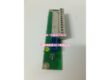
Product Core Brief
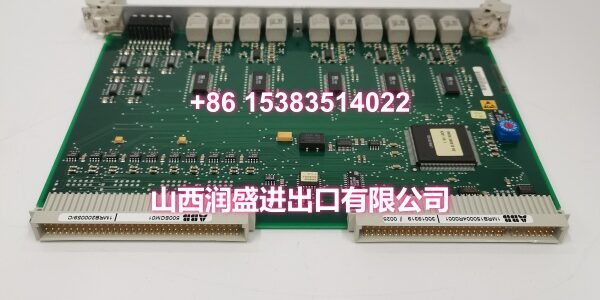
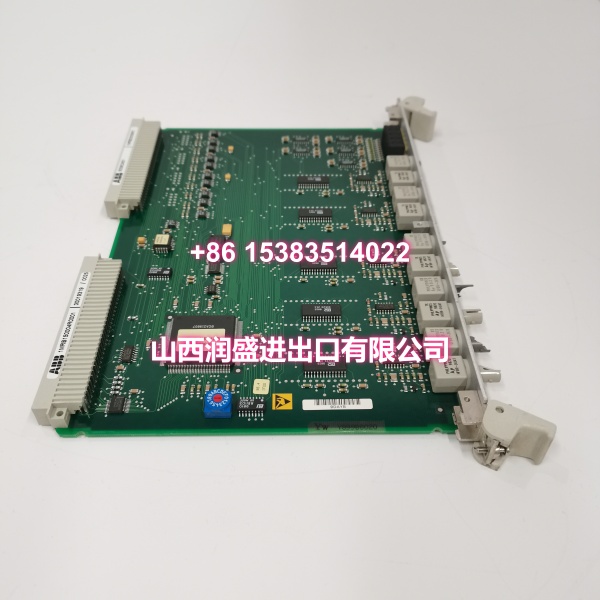
- Model: 500SCM01 / 1MRB200059/C / 1MRB15004R0001
- Brand: ABB
- Series: ABB SattCon 500 PLC Platform
- Core Function: Serial communication module for SattCon 500 PLC systems, providing RS-232/RS-485 connectivity for SCADA/HMI links, smart instruments, and drives.
- Product Type: Serial Communication Module
- Key Specs: RS-232/RS-485 interfaces | COMLI and Modbus RTU protocol support | Configurable baud rates (9.6–38.4 kbps typical) | Backplane-powered, no external supply needed | Rack-mounted installation
- Condition: New Original / New Surplus
Key Technical Specifications
- Product Type: Serial Communication Module
- Brand: ABB
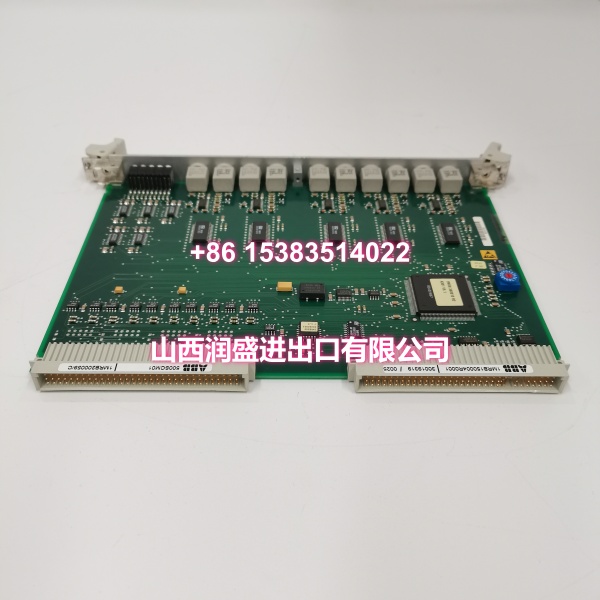
- Model Number: 500SCM01 / 1MRB200059/C / 1MRB15004R0001
- Series: ABB SattCon 500 PLC Platform
- Supported Protocols: COMLI (ABB native); Modbus RTU master/slave (commonly used via application libraries or configuration options)
- Communication Interfaces: RS-232 and RS-485 electrical layers (configurable), supporting point-to-point links or multi-drop networks
- Baud Rate Range: Configurable serial speeds; 9.6–38.4 kbps are frequently used in field applications for stable operation over longer cable runs
- Parity/Stop Bits: User-configurable
- Power Supply: Supplied via SattCon 500 backplane — no external power supply required
- Mounting Method: Rack-mounted in SattCon 500 base; front-panel terminals/ports for wiring
- Operating Temperature: 0°C to +55°C (typical for SattCon modules)
- Storage Temperature: -25°C to +70°C
- Humidity: 5% to 95% (non-condensing)
- Protection Rating: IP20 (rack-mounted, requires use inside a control cabinet)
- Noise Immunity: Shielding and proper termination practices make RS-485 networks stable in industrial environments with VFDs and contactors
- LED Indicators: Module status LEDs for operational monitoring and diagnostics
- Typical Applications: SCADA/HMI connectivity to legacy SattCon 500 controls in water, wastewater, and district heating stations; serial integration with VFDs, soft starters, or DC drives using Modbus RTU over RS-485; data collection from serial instruments (power meters, barcode readers, temperature controllers) in manufacturing cells; brownfield retrofits where a SattCon CPU must exchange data with newer panels or edge gateways without a full PLC migration
Product Introduction
The ABB 500SCM01 (order code 1MRB15004R0001, with 1MRB200059/C as a build/revision identifier) is a serial communication module designed for the ABB SattCon 500 PLC platform. Its primary role is to add reliable RS-232/RS-485 connectivity and protocol handling to SattCon 500 systems — enabling communication with SCADA/HMI stations, smart field instruments, and variable frequency drives without requiring a full system migration.
What makes the 500SCM01 a go-to choice for brownfield upgrades is its simplicity. In plants running legacy SattCon 500 CPUs, engineers often need to pull data from serial meters or integrate a third-party subsystem while keeping the existing CPU and I/O intact. The 500SCM01 plugs directly into the SattCon 500 rack, draws power from the backplane, and provides the serial interfaces needed to bridge old and new equipment — no cabinet rework, no control strategy overhaul.
The module supports both COMLI (ABB’s native protocol) and Modbus RTU master/slave, which covers the vast majority of serial integration scenarios in water treatment, district heating, and manufacturing. The configurable baud rate range (9.6–38.4 kbps typical) gives you flexibility to balance communication speed against cable length and noise immunity. In environments heavy with VFDs and contactors, proper RS-485 shielding and termination practices keep the network stable.
The front-panel terminals and status LEDs make troubleshooting straightforward — technicians can quickly verify link status and data activity during shift rounds or commissioning. For MRO procurement teams keeping SattCon 500 systems alive in aging facilities, the 500SCM01 is a critical spare that prevents communication-related downtime without forcing a costly PLC platform change.
QA & Testing SOP
Every unit undergoes a standardized verification process before shipment:
- Visual & Anti-Counterfeit Check: Inspect the module housing for proper ABB branding, verify all identifiers (500SCM01, 1MRB200059/C, 1MRB15004R0001) match the label, and check for signs of previous installation such as terminal wear, bent connector pins, or discoloration on the PCB.
- Backplane Communication Test: Insert the module into a SattCon 500 test rack and verify that the CPU recognizes the 500SCM01 correctly via the backplane bus, confirming proper firmware handshake and slot registration.
- RS-232 Interface Test: Connect the RS-232 port to a known-good serial device (e.g., PC with terminal emulator). Verify bidirectional data transmission at multiple baud rates (9600, 19200, 38400 bps) with correct parity and stop bit settings.
- RS-485 Interface Test: Connect the RS-485 port to a Modbus RTU slave simulator or actual device (e.g., VFD, power meter). Verify master/slave communication, including register read/write operations and proper handling of multi-drop addressing.
- COMLI Protocol Test: Where test infrastructure allows, verify COMLI protocol communication with an ABB device or simulator, confirming proper frame structure and response handling.
- Modbus RTU Protocol Test: Test Modbus RTU master and slave modes, verifying correct function code handling (01, 02, 03, 04, 05, 06, 15, 16) and exception response generation for invalid requests.
- Baud Rate Range Verification: Test communication at the extremes of the configurable range (1200 bps to 115200 bps) to confirm stable operation across the full spectrum.
- LED Indicator Verification: Confirm that status LEDs respond correctly to various operational states (normal operation, communication loss, configuration error, data activity).
- Anti-Static Packaging: After passing all tests, the module is placed in anti-static shielding bags with desiccant packs and rigid cardboard protection for safe transit.
Installation Pitfalls & Guide
Real-World Risks When Replacing This Module:
❗ RS-485 Termination Missing: Every RS-485 multi-drop network must have termination resistors at both ends of the bus. Missing terminators cause signal reflections that lead to intermittent communication faults, especially at higher baud rates. The 500SCM01’s RS-485 port typically requires an external termination resistor — verify the setting matches your network topology.
❗ Baud Rate Mismatch: All devices on an RS-485 segment must operate at the same baud rate, parity, and stop bits. If the 500SCM01 is configured for 19200 bps but a slave device is set to 9600 bps, communication will fail. Always verify that serial parameters in the PLC program match the physical settings of all connected devices.
❗ RS-232 Cable Length Exceeded: RS-232 has a maximum reliable cable length of approximately 15 meters (50 feet). Exceeding this limit causes data corruption and communication timeouts. For longer distances, use RS-485 instead, which supports runs up to 1200 meters at lower baud rates.
❗ Ground Loop Interference: In electrically noisy environments (near VFDs, large motors, or welding equipment), RS-485 communication can suffer from ground loop interference. Use shielded twisted-pair cable with the shield grounded at one end only, and consider adding galvanic isolators if communication errors persist.
❗ Address Conflict on Multi-Drop Network: Each Modbus RTU slave device on an RS-485 multi-drop network must have a unique station address (1–247). Duplicate addresses cause both devices to become unreachable. Before commissioning, verify that all slave device addresses are unique and do not conflict with the master’s polling list.
4-Step Replacement Guide:
- Pre-Install: Power down the SattCon 500 rack or isolate the communication section if hot-swap is not supported. Document the existing RS-232/RS-485 wiring, noting terminal assignments and cable labels. Back up the current PLC program and communication configuration from the engineering station.
- Removal: Disconnect all serial cables from the module’s front-panel terminals/ports. Release the module locking mechanism and carefully slide the old module straight out of the SattCon 500 rack. Inspect the rack connector for bent pins or debris.
- Install: Align the new 500SCM01 with the rack guides and slide it firmly into place until it locks. Reconnect the RS-232/RS-485 wiring according to your documented terminal assignments. For RS-485, verify proper termination resistor placement at both ends of the bus and confirm shield grounding.
- Power-On Test: Restore rack power and verify that the CPU recognizes the module. Download the communication configuration if needed. Verify that status LEDs indicate normal operation. Test communication with each connected device by reading/writing data points. For Modbus RTU networks, verify that all slave devices respond to polling within the expected timeout window.
Technical FAQ
Can this module support both RS-232 and RS-485 simultaneously? The 500SCM01 provides configurable RS-232/RS-485 interfaces. Depending on the specific hardware variant and configuration, you may be able to use one interface at a time or both concurrently. Consult the SattCon 500 hardware manual for your specific module revision to confirm the exact interface configuration.
What is the maximum number of slave devices this module can poll on an RS-485 network? The theoretical maximum for Modbus RTU is 247 slave devices (addresses 1–247). However, the practical limit depends on the baud rate, the amount of data exchanged with each slave, the polling cycle time requirements, and cable length. For typical applications, 30–60 slave devices is a common practical range. If you need to connect more devices or require faster response times, consider segmenting the network with repeaters or using multiple communication modules.
What is the difference between 1MRB200059/C and 1MRB15004R0001? 1MRB15004R0001 is the ABB order code for the 500SCM01 module. 1MRB200059/C is a build code or revision identifier that specifies the exact hardware variant. When ordering a replacement, provide both identifiers to ensure you receive the correct variant for your SattCon 500 rack.
Can I use this module with non-ABB devices? Yes. When configured for Modbus RTU master/slave mode, the 500SCM01 can communicate with any Modbus RTU-compliant device regardless of manufacturer — including power meters, temperature controllers, VFDs from other brands, and barcode readers. This makes it a versatile choice for integrating third-party equipment into a SattCon 500 system.
What symptoms indicate this communication module is failing? Common symptoms include: intermittent communication timeouts, SCADA/HMI losing connection to the PLC, inability to read/write data from serial instruments or drives, status LEDs showing fault conditions, or the CPU reporting communication errors in the diagnostic log. However, these symptoms can also be caused by wiring issues, address conflicts, or baud rate mismatches. Always rule out cabling and configuration issues before concluding the module is at fault.
What warranty do you offer on New Surplus parts? We provide a full 12-month warranty on all New Original / New Surplus units. This is fundamentally different from refurbished communication modules, which often carry 30–90 day warranties and come with unknown thermal cycling history, degraded serial connectors, and potential firmware corruption. For a serial communication module that bridges your PLC to critical field devices, the reliability difference between new surplus and refurbished directly impacts communication uptime and data integrity.