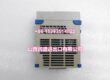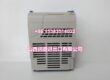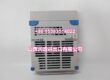
Product Core Brief
- Model: PCD235A101 (3BHE032025R0101)
- Brand: ABB
- Series: AC 800PEC / Excitation Control
- Core Function: Regulates generator excitation current and voltage to maintain grid stability and power quality.
- Product Type: Excitation Control Module
- Key Specs: High-Precision V/I Measurement | Ethernet & Serial Comms | Programmable Logic
- Condition: New Surplus / Original OEM
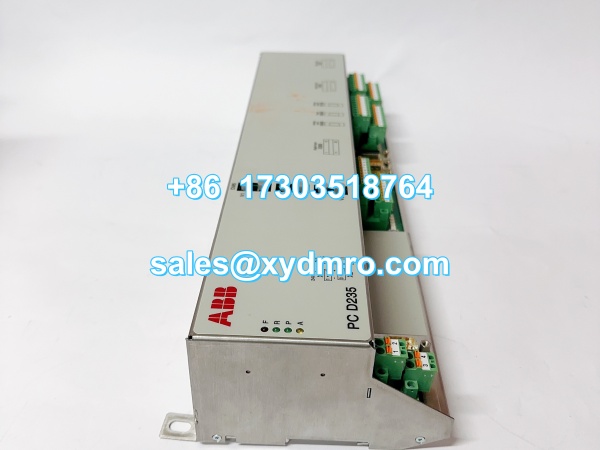
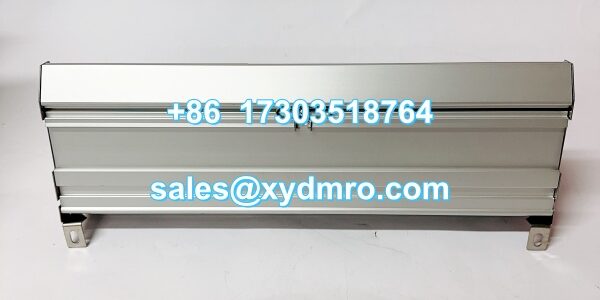
PCD235A101
Key Technical Specifications
- Order Code: 3BHE032025R0101
- Product Name: PCD235A101 Excitation Control Module
- Primary Function: Excitation Current & Voltage Regulation
- Communication: Ethernet, Serial (Modbus/Profibus)
- Measurement: High-Precision Voltage/Current Sensing
- Protection: Overload & Short-Circuit Protection
- Diagnostics: Built-in Fault Detection & Monitoring
- Dimensions: 142mm (D) x 373mm (H) x 73.5mm (W)
- Net Weight: 1.53 kg
- Application: Power Plants, Hydro, Wind, Petrochemical
Product Introduction
This module serves as the digital brain for synchronous generator excitation systems, continuously adjusting field current to lock in terminal voltage. It replaces aging analog regulators with programmable logic and high-speed signal processing for deterministic response during grid disturbances.
Engineers value its integrated diagnostics and flexible communication stack, which simplifies integration into modern DCS architectures. The high-precision measurement capability ensures tight voltage control, directly improving generator efficiency and reducing mechanical stress on the rotor.
QA & Testing SOP
Every starts with a microscopic visual inspection of the power output stage and analog front-end traces to catch manufacturing defects or thermal stress. We then seat the module in an OEM test rack to verify firmware checksums and cold-boot stability under simulated power loss.
Next, we inject precision voltage and current signals to validate the high-precision measurement accuracy against factory tolerances. Communication ports are stress-tested with Modbus and Ethernet frames to ensure no packet loss under load. Finally, each unit receives anti-static packaging and lot-traceable anti-counterfeit verification.
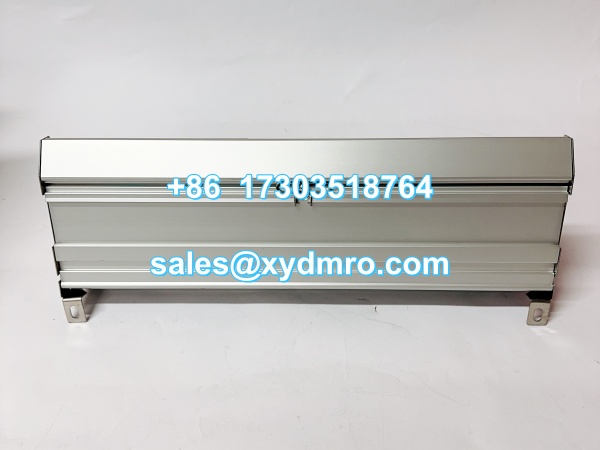
PCD235A101
Installation Pitfalls & Guide
❗ Grounding Architecture: This module is sensitive to ground loops. Connect the signal ground to a dedicated star point, never daisy-chain through the exciter frame ground, or you’ll inject noise into the voltage feedback loop.
❗ Communication Termination: Ethernet and serial links require proper termination. Missing terminators cause reflection errors that mimic CPU faults during high-load transients. Always verify termination resistors before powering up.
❗ Thermal Clearance: The power output stage generates significant heat. Maintain at least 15mm vertical clearance and ensure cabinet airflow is directed across the heatsink fins; thermal throttling will degrade voltage regulation performance.
Replacement SOP:
- Pre-Install: Backup all excitation parameters and PID tuning constants; verify firmware revision matches the redundant controller.
- Removal: De-energize the excitation supply; wait 5 minutes for DC bus capacitor discharge before handling.
- Install: Align the carefully; engage the backplane connector fully before tightening the DIN rail latch.
- Power-on Test: Verify “System Ready” LED; check communication status; perform a no-load voltage build-up test before closing the field breaker.
Technical FAQ
Can I hot-swap this module during generator operation?
Absolutely not. The excitation control bus lacks hot-swap isolation. Pulling this while live will cause an immediate loss of field control, potentially tripping the generator protection or causing severe voltage collapse. Always schedule a controlled shutdown.
Is this compatible with older analog excitation systems?
No. This is a digital controller requiring a compatible AC 800PEC or similar digital backplane. Retrofitting from analog requires a complete control architecture upgrade, including new field power supplies and measurement transducers. Don’t try to force-fit it into legacy cabinets.
Why is the price higher than untested surplus?
We validate every unit’s analog measurement accuracy and communication stack on a live test bench. Unverified boards often have drifted calibration or failing output transistors that only show up under load. You’re paying for guaranteed performance, not a gamble.
What happens if the Ethernet link fails?
The module has built-in redundancy and local control logic. It will maintain the last valid voltage setpoint and trigger a local alarm. However, you lose remote monitoring and tuning capabilities until the link is restored. Always use redundant Ethernet paths for critical generators.
Do I need special licensing for the excitation control blocks?
Yes. The OEM engineering toolset requires a valid excitation control library license to access the voltage regulator PID parameters and field current limiters. Generic PLC software won’t expose these proprietary control algorithms, leaving you unable to tune the system.