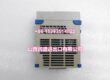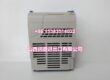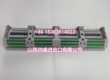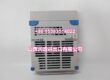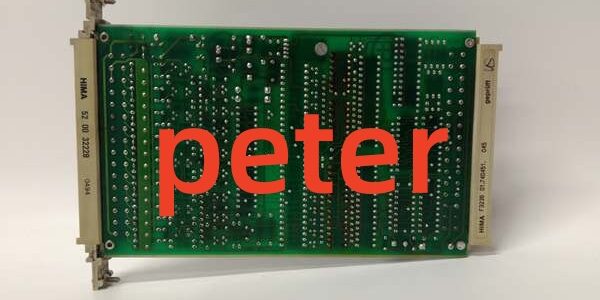
Product Core Brief
- Model: HIMA F3236
- Brand: HIMA
- Series: H41q / H51q
- Core Function: Acquires sixteen safety-related binary signals with integrated line monitoring.
- Product Type: Safety Binary Input Module
- Key Specs: 16 Channels | SIL3 Rated | 24 V DC
- Condition: New Original (New Surplus)
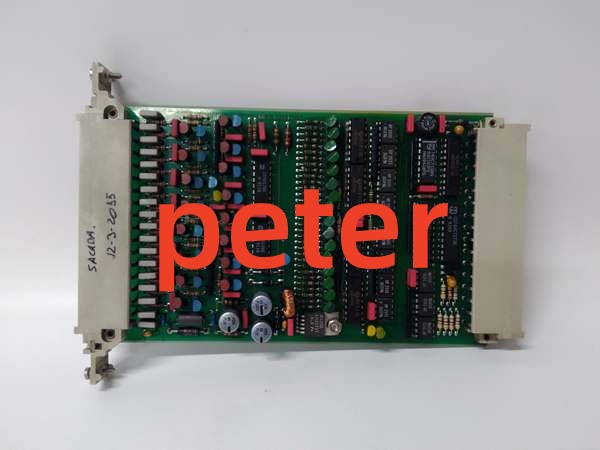
HIMA F3236
Product Introduction
HIMA serves as a sixteen-channel digital input card for safety systems. It processes binary signals while continuously monitoring for wire breaks and short circuits.
This unit supports 1oo2D or 2oo4D architectures within the H41q platform. Channel density remains low to reduce common cause failures. Verify with OEM datasheet for exact MTBF values, though field data suggests excellent availability.
Key Technical Specifications
| Parameter | Value |
|---|---|
| Channel Count | 16 Inputs |
| Signal Type | Binary / Digital |
| Safety Integrity | SIL3 (IEC 61508) |
| Nominal Voltage | 24 V DC |
| Architecture | 1oo2D / 2oo4D |
| Line Monitoring | Break and Short Detection |
| Isolation | Safety Isolated |
| Series Compatibility | H41q / H51q |
| Diagnostic Coverage | High |
| Mounting | 19-inch Rack |
Quality Control Process (Engineer’s Perspective)
- Incoming Verification: We trace source documentation and verify serial numbers against anti-counterfeit databases. Visual inspection checks for PCB corrosion or connector scratches.
- Live Functional Test: Power-on self-tests run first. We verify communication handshakes and execute continuous load runs exceeding 24 hours with temperature logging.
- Electrical Parameter Test: Insulation resistance gets measured at 500 V using a Megger. Readings must exceed 10 MΩ. Ground continuity is also confirmed.
- Firmware Verification: We read and record the firmware version. DIP switch and jumper settings receive photographic documentation before shipping.
- Final QC & Packaging: The unit seals in an anti-static bag. A QC Passed label with the test date goes on the exterior.
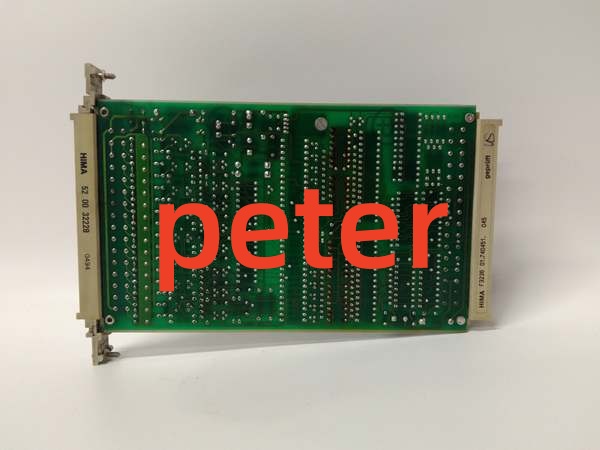
HIMA F3236
Replacement Pitfall Guide
Firmware Mismatch: New hardware often ships with newer firmware. This causes bus errors if the controller expects an older revision. Always match the existing system version.
DIP Switch / Jumper Misconfiguration: Factory defaults rarely match your field settings. Check the bus termination resistor position on the third terminal block. Wrong settings kill communication.
Terminal / Cable Incompatibility: Pin definitions change between revisions. Verify shield grounding at the cabinet entry point. Floating shields introduce noise into safety channels.
Power Supply Mismatch: Calculate total rack power consumption carefully. Add 20% headroom for inrush currents. Undersized supplies cause intermittent module resets during startup.
ESD Damage: Use a grounded anti-static mat during installation. Dry environments increase static risk significantly. One spark destroys internal logic gates.
Keep these in mind and you’ll cut 90% of rework time.
Compatibility Matrix & Benchmarks
- HIMA → HIMA : Direct — Identical replacement
- HIMA → HIMA F3235 : Needs Adaptation — Verify channel count and firmware
- HIMA → HIMA F3237 : Needs Adaptation — Check voltage ratings and pinout
- HIMA → HIMA F6217 : Incompatible — Analog input vs digital input
- Scan cycle: < 10 ms (simulated load, 16 I/O points)
- Comms throughput: 12 Mbit/s (H41q Backplane Bus)