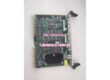
Product Core Brief
- Model: HDS03.2-W075N–01-FW, OEM part number R911190008Indramat U…
- Brand: Bosch Rexroth Indramat (DIAX04 modular servo drive platform)
- Series: .2 high-power single-axis servo amplifier family
- Core Function: High-current three-phase power stage to drive large-frame MHD permanent magnet synchronous servo motors; execute three-loop closed-loop current/velocity/position control synchronized via SERCOS fiber bus with PPC-R22 RECO rack motion CPUs, process Hiperface absolute multiturn encoder feedback for heavy vertical lift, rotary table and spindle axesIndramat U…
- Product Type: Vertical DIN rail mount servo power module; suffix breakdown:
- 03.2 = generation 2 power stage
- W075N = 75A peak overload, 40A continuous RMS output
- = SERCOS fiber real-time bus + native Hiperface encoder feedback interface
- 01 = Hardware revision 1
- FW = Factory pre-flashed DIAX04 standard motion firmware
- Key Specs: 40A continuous RMS / 75A peak output current | 530–670V shared DC intermediate bus | SERCOS fiber communication | Integrated forced air blower cooling | Hiperface multiturn encoder support | 26VDC auxiliary control supplyIndramat U…
- Note: OEM discontinued new mass production; limited unopened factory surplus and fully load-calibrated refurbished inventory available. Exclusively matched to DIAX04 SERCOS control stacks, cannot substitute lower-current HDS02.2-W040N without axis motion program retuning and cabinet power circuit rework.
Key Technical Specifications
Power Stage Ratings
- Continuous three-phase output current: 40 A RMS
- Peak overload acceleration current: 75 A RMS short-duration capacityIndramat U…
- DC intermediate bus input range: 530 VDC ~ 670 VDC from HMV regenerative mains rectifier
- Max three-phase line-line output voltage: 500 VAC
- Maximum output frequency: 1000 Hz for high-speed spindle / heavy rotary indexing axes
- Auxiliary control logic supply: 26 VDC ±2% unregulated cabinet rail, standby power draw 220W max full load
Interface Definition
- SERCON410 fiber-optic SERCOS real-time bus for motion command exchange with PPC-R22 CPU
- Native Hiperface multiturn absolute encoder input for large-frame MHD servo motors
- Onboard 24VDC holding brake coil driver, emergency stop interlock digital input
- Real-time fault status reporting over SERCOS to host motion controller / VEP40 HMI
Cooling & Mechanical
- Cooling method: Internal integrated high-flow axial blower forced air cooling
- Mount form factor: Standard 35mm vertical DIN rail rack mount
- Unit overall weight: 11 kg
- External dimensions: W100 × H498 × D308 mm
- Enclosure protection class: IP10 cabinet-only installation
Integrated Protection Circuits
- Phase short-circuit shutdown, OCP overcurrent, OVP overvoltage, UVP undervoltage
- Over-temperature thermal shutdown with unique fault code flagging
- Motor winding insulation monitoring, encoder cable break detection, STO safe torque off
- DC bus surge suppression, reverse polarity protection for auxiliary control supply
Operating Ambient
- Continuous cabinet runtime temperature: +5°C ~ +45°C full rated output; linear performance derate above +45°C up to +55°C
- Storage temperature: -30°C ~ +70°C, non-condensing humidity 5–95% RH
Compliance & Compatibility
- Certifications: CE, UL, EN61000 industrial EMC, SEMI S2 certified for semiconductor wafer substrate handling equipment
- Matching hardware: PPC-R22 RECO rack motion controllers, large-frame MHD series high-torque servo motors, HMV01 regenerative shared DC bus feed-in units, VEP40 visualization HMIs
- Commissioning software: VisualMotion Toolkit V5/V7 for axis parameter upload/download
Product Introduction
This high-power servo amplifier delivers heavy continuous torque drive for vertical lift axes, large rotary indexing tables and high-speed CNC spindle axes deployed on Rexroth DIAX04 control platforms. The built-in high-flow blower sustains full 40A continuous rated output under sustained static vertical loads without thermal derating, outperforming smaller HDS02.2 40A models on heavy-duty production cycles. combined SERCOS fiber + Hiperface feedback eliminates separate analog encoder wiring between drive and motion CPU, while factory preloaded FW firmware delivers native compatibility with VisualMotion programming environments. Multi-layer protection logic prevents catastrophic large motor winding damage during wafer processing cycle overload, sudden load drop or cable fault events. Shared DC bus architecture enables energy exchange between accelerating and decelerating axes via HMV regenerative rectifiers to cut cabinet heat generation.
QA & Testing SOP (Transparency Building)
- Incoming Inspection: Cross-reference serial number against Rexroth OEM vital product databases matching part R911190008; visual scan for dented aluminum heat sink fins, cracked blower fan blades, swollen DC bus electrolytic capacitors, charred three-phase motor power terminals and damaged SERCOS fiber transceiver ports. All rear terminal block wiring pin assignments photographed pre-disassembly.
- Live Bench Testing: Mount unit to DIN rail test rack paired with PPC-R22 motion CPU and large MHD115C high-torque servo motor; run continuous 24-hour cyclic load profile alternating 0–70Nm stall hold and 0–6000rpm speed ramps. Fluke power analyzer monitors three-phase winding current balance and blower steady-state airflow operation.
- Encoder & Communication Validation: Establish SERCOS fiber real-time link to motion CPU; validate full Hiperface multiturn absolute position tracking across 4096 revolutions, measure encoder position tracking error <1 count full travel. Trigger all protection fault modes to verify fault code reporting over SERCOS bus to simulation HMI.
- Power Stage Calibration: Trim current loop gain/offset to OEM factory tolerance; validate OCP/OVP thermal shutdown trigger thresholds match datasheet specifications.
- Final QC & Packaging: Replace degraded DC bus electrolytic capacitors and worn blower fan assemblies during refurbishment cycles; cap unused fiber and power terminal ports with OEM insulating dust plugs, wrap unit in static-dissipative foam, affix printed QC tag listing output current linearity, SERCOS communication and thermal protection test metrics before sealed wooden crate shipping.
Installation Pitfalls & Guide (Engineer to Engineer)
❗ Smaller HDS02 Variant Mismatch Risk: HDS02.2-W040N lower-current drives cannot replace this 75A peak .2 unit for heavy vertical axes; insufficient peak current triggers position overshoot, thermal shutdown and batch aborts during fast acceleration cycles. Photograph original motor power cable cross-section and SERCOS fiber routing before drive removal.❗ Blower Airflow Blockage Hazard: Cabinet cable bundles covering front/rear cooling ventilation slots create rapid thermal buildup, triggering unplanned thermal shutdown mid-production wafer batches. Maintain minimum 50mm unobstructed airflow clearance around drive heat sink surfaces on all four sides.❗ SERCOS Fiber Polarity Reversal Hazard: Misaligned transmit/receive fiber leads break all real-time multi-axis synchronization. Mark fiber cable ends clearly before disconnection; reversed fiber polarity triggers persistent SERCOS bus fault alarms and full machine motion interlock trips.❗ DC Bus Capacitor Thermal Derating Risk: Extended operation above 55°C cabinet ambient accelerates electrolytic capacitance degradation, raising output current ripple and widening axis position error bands. Verify cabinet forced cooling airflow meets OEM minimum CFM requirements for high-current drives.❗ High-Voltage & ESD Hazard Risk: DC bus terminals carry 700V hazardous live voltage; fully bleed DC bus capacitance via dedicated bleed circuit before disassembly. Unshielded Hiperface encoder transceiver and SERCOS fiber ASIC circuits sustain permanent leakage damage from ungrounded handling; certified ESD wrist strap and conductive anti-static mat mandatory before touching rear terminal connectors or fiber transceiver ports.
4-Step Replacement Guide
- Pre-install: Execute full machine lockout-tagout, fully discharge shared DC intermediate bus energy via safe bleed circuit, export all large-frame motor parameter sets and axis motion loop gains from PPC-R22 CPU via VisualMotion Toolkit offline PC software.
- Removal: Disconnect SERCOS fiber leads, three-phase motor power cable, 26VDC auxiliary control logic and brake coil wiring one at a time; release DIN rail bottom snap tab, slide drive vertically free from rack and rest on vibration-dampened ESD foam pad. Record fiber polarity and power terminal wire pin assignments.
- Install: Snap replacement unit onto standard 35mm DIN rail, ensure unobstructed blower airflow clearance on all sides, re-terminate motor power, SERCOS fiber and control wiring matching photographed layout; separate SERCOS fiber trunking from high-current motor power cables per EMC cabinet wiring rules.
- Power-on Test: Restore cabinet 26VDC auxiliary control supply first, confirm front-panel power, SERCOS and blower status LEDs illuminate steady green; then energize HMV rectifier DC bus voltage, upload saved large motor parameter library, run 30-minute cyclic torque/speed motion test to validate stable Hiperface position tracking and zero unplanned thermal fault trips.
FAQ (Frequently Asked Questions)
Q: Can this 75A peak .2 drive replace smaller HDS02.2-W040N servo amplifiers on identical heavy vertical axis machine platforms without parameter rework?A: No out-of-box cross-compatibility. HDS02.2 only supplies 40A peak overload current; this .2 delivers 75A peak acceleration capacity for heavy loads. Full motor parameter reloading, SERCOS bus address mapping and axis loop gain retuning are mandatory after swap to eliminate position overshoot and thermal faults.Q: Does this servo amplifier support hot-swapping while cabinet DC bus and SERCOS fiber bus remain energized?A: The rear power and signal terminal blocks lack staged hot-swap power pin sequencing. Live extraction injects high voltage transients into the shared DC bus and SERCOS fiber transceiver circuit, corrupting nvRAM stored axis tuning parameters and risking permanent damage to all connected servo power stages. Full mains lockout and complete DC bus bleed-down is required before disconnection.Q: What warranty separates factory surplus stock from fully refured .2- units?A: Unopened original Rexroth-certified surplus carries a 12-month industrial warranty covering power stage current drift, SERCOS communication failure and blower fan premature wear. Refurbished calibrated units ship with a 6-month limited functional warranty; reused DC bus electrolytic filter capacitors show gradual capacitance loss under continuous cabinet heat and cyclic heavy overload.Q: Will swapping this high-current servo drive erase stored motor torque curves and axis position offset values in the motion CPU?A: All motor tuning parameters, motion recipes and loop gain profiles reside in the RECO rack CPU’s onboard Flash and nvRAM memory, independent of the servo power stage hardware. Export a complete parameter backup via VisualMotion Toolkit before disassembly to avoid full heavy axis retuning post-install.Q: Can this hardware operate with legacy VisualMotion Toolkit v4 commissioning software released prior to 2006 without firmware updates?A: SERCOS/Hiperface hardware requires VisualMotion Toolkit v5 minimum software version; v4 builds lack device description files for fiber SERCOS bus communication, leading to missing motion diagnostic register readouts and incomplete heavy axis tuning visibility on the VEP40 HMI.Q: What expected service window applies to surplus versus refurbished drives in 24/7 high-volume semiconductor production environments?A: Original surplus units target scheduled DC bus capacitor and blower fan replacement at 40,000 operating hours. Refurbished variants degrade at 31,000 hours; aged electrolytic filter capacitors lose capacitance over time, widening three-phase current ripple and triggering unstable vertical axis hunting during precision wafer transfer heavy-load acceleration cycles.Q: What functional difference separates and HS32 encoder interface suffixes on the same .2 base drive?A: supports single Hiperface multiturn encoder per drive for standard single heavy-motor axes; HS32 adds dual encoder input channels for master-slave dual-feedback synchronous gantry heavy-load axis configurations, requiring modified terminal block wiring and separate multi-axis coordinate mapping programs in the CPU.