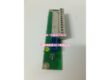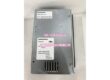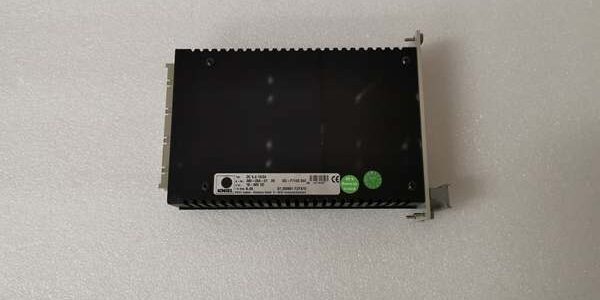
Component Snapshot At-a-Glance
- Model: F7126
- Alt. P/N: No factory alternate replacement part; matched parallel redundant pairing required
- Product Series: HIMA HIQuad H41q / H51q, HIMax Safety Instrumented System
- Hardware Type: 8TE DIN rail rack-mounted DC-DC safety backplane power supply module
- Key Feature: Passive convection cooling, parallel load-sharing design for dual redundant SIL3 rack power
- Primary Field Use: Convert 24VDC plant control power to stabilized 5VDC to feed safety CPU, I/O and communication backplane circuits.
Hard-Numbers: Technical Specifications
- Protocol Support: No field communication; internal power fault diagnostic signaling to HIMA safety backplane
- Port Count: Rear screw terminal block for 24VDC input; internal edge connector for 5V backplane power distribution
- Baud/Data Rate: N/A, power conversion hardware only
- Operating Temperature: -20°C to +60°C operational; -40°C to +85°C storage
- Isolation Rating: 1500VAC galvanic isolation between 24V input and 5V safety backplane circuits
- Power Draw: Max input current 6.3A slow-blow fuse rated, full load efficiency ≥77%
- Input Range: 24VDC -15% ~ +20%, ripple <15% rpp
- Output Rating: 5VDC nominal, factory preset 5.4V ±0.025V, max 10A continuous output
- Protection Thresholds: 13A current limit, 6.5V overvoltage shutdown, auto short-circuit recovery
- Certifications: TÜV IEC 61508 SIL3, CE Class B EMC, UL recognized
- Form Factor: 8 TE slot width, IP20 cabinet-only installation
- Weight: 0.58kg single module unit
The Real-World Problem It Solves
Generic off-the-shelf 5V power supplies lack fault diagnostics and load balancing, single supply layouts create unmitigated power failure points that invalidate SIL3 safety compliance. Fan-cooled power supplies fail early from dust buildup in refinery and offshore cabinets, forcing unplanned SIS shutdowns mid-process.Where you’ll typically find it:
- Refinery ESD HIPPS safety rack backplane power distribution for HIQuad H51q systems
- Offshore FPSO fire/gas safety control cabinet redundant power backbone
- Fossil power plant boiler BMS and gas turbine SIL3 safety instrumented racksThis fanless load-sharing power supply eliminates single power failure risks and avoids fan-related premature failures in dirty industrial cabinet environments.
Hardware Architecture & Under-the-Hood Logic
This is an isolated DC-DC power conversion module with no on-board microprocessor; built-in passive load balance circuitry allows two units to split rack load evenly without extra control wiring.
- 24VDC plant input power feeds multi-stage EMI filter and slow-blow primary fuse to suppress mains voltage spikes.
- Isolated high-frequency DC-DC converter steps down input voltage to tightly regulated 5.4V safety rail.
- Front panel potentiometer fine-tunes output voltage; integrated test socket lets techs measure 5V rail without disassembly.
- Independent overcurrent, overvoltage and thermal protection logic cuts output to protect backplane I/O/CPU modules during overload.
- Passive aluminum heat sink dissipates heat via cabinet convection cooling; zero moving fan parts to eliminate dust clog failures.
- Parallel load-sharing circuit matches output voltage between paired modules to prevent uneven current draw and premature supply burnout.
- Front panel OK/FAULT LEDs signal input loss, overtemp and overload conditions to safety CPU for DCS fault alarming.
Field Service Pitfalls: What Rookies Get Wrong
Single Installation Without Second Redundant Power Module
Most apprentices install only one to save rack slot space. Single supply operation creates a single point of failure, voiding the entire rack’s SIL3 safety certification for audit compliance.Field Rule: All safety racks require two matched modules wired in parallel redundant load-sharing configuration.
Mismatched Output Voltage Between Paired Redundant Units
Techs adjust front potentiometers independently without matching rail voltage. Uneven voltage creates severe load imbalance; one supply carries full rack current and triggers overtemp fault alarms weeks after commissioning.Quick Fix: Power both supplies simultaneously, use front test socket to align both units to identical 5.4V factory setpoint before closing cabinet door.
Blocking Side Heat Sink Vents With Dense Power Cable Bundles
Routing heavy 24VDC input wiring directly against the aluminum heat sink restricts natural convection cooling. Sustained cabinet heat pushes internal temperature past trip threshold, triggering persistent FAULT LED derating.Field Rule: Maintain minimum 30mm clear airflow space on both sides of each module; separate high-current power wiring from passive cooling surfaces.
Commercial Availability & Pricing Note
Please note: The listed price is for reference only and is not binding. Final pricing and terms are subject to negotiation based on current market conditions and availability.