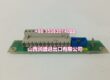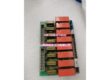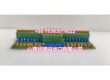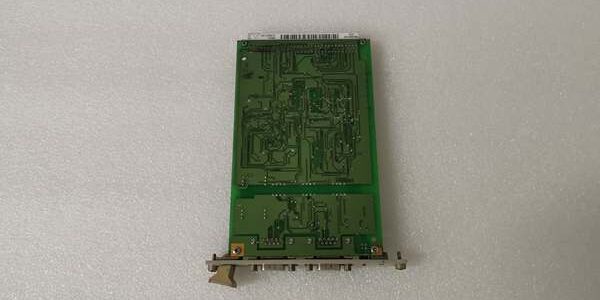
Component Snapshot At-a-Glance
- Model: F8621A
- Alt. P/N: No direct cross-replacement part; F8621B is later upgraded revision
- Product Series: HIMA HIQuad H41q / H51q QMR Safety Instrumented System
- Hardware Type: 4TE DIN rack-mounted QMR redundant communication coprocessor module
- Key Feature: Independent offload processor cuts main safety CPU scan load by up to 70% via dual isolated serial + Ethernet ports
- Primary Field Use: Bridge SIL3 safety rack data to external DCS, SCADA, HMIs, PROFIBUS instruments and Modbus RTU transmitters without slowing safety logic execution.
Hard-Numbers: Technical Specifications
- Protocol Support: PROFIBUS DP-V0/V1, Modbus RTU Master/Slave, Modbus TCP, SNMP, NTP, ELOP II/SILworX diagnostic bus
- Port Count: 2 x galvanically isolated RS485 D-SUB9, 1 x 10/100Base-TX RJ45 Ethernet, internal dual-port RAM safety backplane interface
- Baud/Data Rate: RS485 300–57600 bps; PROFIBUS max 12 Mbps; Ethernet 10/100 Mbps auto-negotiate
- Operating Temperature: -20°C to +60°C operational; -40°C to +85°C storage
- Isolation Rating: 1500VAC galvanic isolation between each field port and safety backplane bus
- Power Draw: 5VDC rack backplane, nominal 360mA, max 7W full load
- Processing Core: HD64180 10MHz dedicated communication coprocessor
- Memory: 32MB SDRAM + 8MB Flash firmware storage, 4096-entry fault event buffer
- Max Device Capacity: 126 PROFIBUS slaves per RS485 port, total 252 max
- Certifications: IEC 61508 SIL3 TÜV certified, ATEX Zone 2, GL marine offshore rated, CE Class B EMC
- Hot-Swap Support: Yes, live insertion/removal without rack safety logic interruption
- Weight: 0.2kg single module unit
The Real-World Problem It Solves
Running all external DCS/fieldbus communication directly on the main safety CPU forces longer scan cycles, which violates SIL3 fixed-cycle execution requirements and triggers safety timeout faults. Single-path communication hardware creates data dropout points that hide safety alarm states from plant operators.Where you’ll typically find it:
- Refinery HIPPS and reactor ESD racks linking SIL safety data to distributed process DCS
- Offshore FPSO fire/gas safety cabinets connecting SIS logic to vessel HMIs and historians
- Fossil power plant boiler BMS and gas turbine safety racks interfacing PROFIBUS valve positionersThis dedicated coprocessor segregates non-safety communication traffic from critical safety logic and provides redundant isolated fieldbus links to avoid blind safety alarm conditions.
Hardware Architecture & Under-the-Hood Logic
This module operates as a standalone communication coprocessor with full QMR redundant internal signal paths; it connects to the safety CPU via dual-port RAM to avoid backplane bus congestion.
- Safety CPU writes process values, alarm states and fault codes to shared dual-port RAM on every fixed scan cycle.
- Dedicated 10MHz coprocessor pulls data from RAM and independently processes all external fieldbus protocol translation without burdening the safety CPU core.
- Two fully isolated RS485 transceivers handle PROFIBUS/Modbus RTU traffic with separate surge suppression for each port.
- Isolated Ethernet PHY chip transmits Modbus TCP/SNMP alarm timestamps and SOE data to plant LAN without cross-contaminating safety backplane noise.
- Continuous cyclic self-test and watchdog circuit flags port short/open faults and internal processor mismatch to the rack safety CPU.
- Front panel RUN/ERR/COM1/COM2 LEDs deliver real-time visual port status for cabinet troubleshooting without laptop connection.
Field Service Pitfalls: What Rookies Get Wrong
Mixing Non-Isolated Generic RS485 Cable Without Single-End Shield Termination
New technicians run unshielded twisted pair for PROFIBUS wiring or ground cable shield at both cabinet and field junction boxes. Plant ground potential difference injects 50Hz hum that corrupts bus telegrams and triggers constant COM port fault alarms on .Field Rule: Use 100% braided shield PROFIBUS cable; terminate shield drain wire only at cabinet side, leave field end shield floating.
Overloading Ports With Unsegmented PROFIBUS Slaves
Techs stack all 200+ field instruments onto a single port without bus repeaters. Signal attenuation creates cyclic communication dropouts that mask safety transmitter wire-break faults.Quick Fix: Split PROFIBUS device count evenly across both ports; install bus repeaters if slave count exceeds 100 per channel.
Mismatched Firmware Versions Between Redundant Pairs
During spare swap-outs, technicians flash different firmware revisions to primary and standby communication modules. QMR cross-data comparison fails, triggering persistent MAJOR FAULT rack alarms and full loss of external SIS data visibility.Field Rule: Load identical ELOP II firmware build to all redundant modules; verify steady green RUN LED sync before returning cabinet to operation.
Commercial Availability & Pricing Note
Please note: The listed price is for reference only and is not binding. Final pricing and terms are subject to negotiation based on current market conditions and availability.