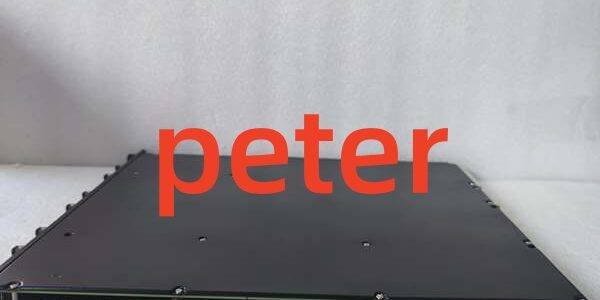
Component Snapshot At-a-Glance
- Model: 4210
- Alt. P/N: No cross-part; direct fiber upgrade replacement = 4211, hardware pin compatible but interface non-interchangeable
- Product Series: Triconex Tricon V9/V10 SIL3 RXM Remote Expansion family
- Hardware Type: TMR triple redundant copper-based Tribus remote bridge PCB
- Key Feature: Terminal-block twisted-pair copper ports with per-channel isolated surge suppression, no onboard optical transceivers
- Primary Field Use: Short-span copper Tribus link between main SIS chassis and nearby local remote I/O racks under 150m cabling limit.
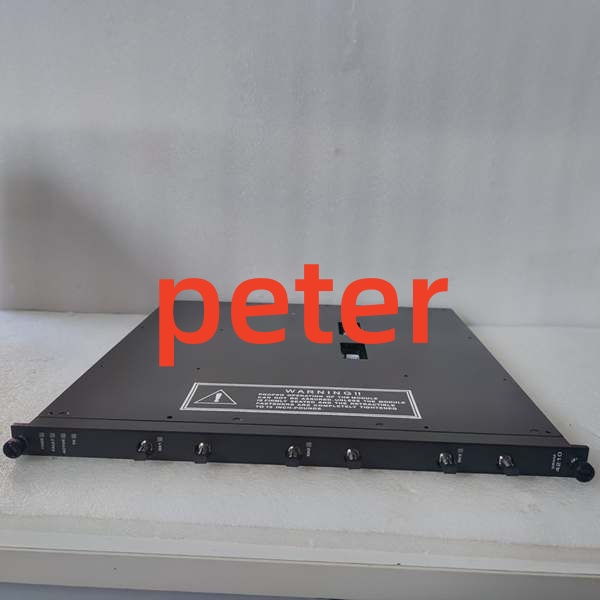
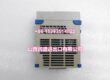
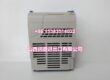
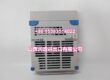
Triconex 4210
Hard-Numbers: Technical Specifications
- Protocol Support: Proprietary Tricon Tribus 25Mbps backplane bus protocol
- Port Count: 2 screw-terminal copper twisted pair ports per single card
- Max Copper Distance: 150m maximum shielded twisted pair run limit; distance drops to 80m under high EMI field conditions
- Backplane Supply Rail: 6.5VDC chassis PSU feed; average power draw =15W per module
- Isolation Rating: 1800VDC galvanic isolation between copper field wiring and internal TMR logic circuitry
- Operating Temperature: 0°C ~ +60°C continuous rated; -40°C ~ +85°C non-operational storage range
- Fault Relay Output: Form-C dry contact rated 24VDC/1A for external DCS fault annunciator wiring
- Certification: IEC61508 SIL3, UL Class I Div 2, ATEX Zone2 hazardous area certification
The Real-World Problem It Solves
Short-run on-site remote racks under 150m do not justify fiber material and termination labor cost for 4211 setups. Copper-only 4210 cuts installation expense while retaining full Tricon TMR SIL3 voting for nearby cabinet expansion.
Where you’ll typically find it:
- Refinery auxiliary pump house local I/O cabinets within 60m of central CCR SIS mainframe
- Coal power plant BMS adjacent burner management cabinets mounted beside main control rack
- Onsite small-size gas skid HIPPS racks installed inside same control building as host Tricon chassis
Copper terminal design slashes field installation time for close-proximity remote I/O expansions without sacrificing SIS safety certification compliance.
Hardware Architecture & Under-the-Hood Logic
Three fully segregated TMR processing legs operate independently with no shared clock circuitry between channels; copper line drivers replace fiber transceivers used on sibling 4211 hardware.
- Rear edge backplane connector pulls isolated Tribus bus data into three discrete internal receive circuits.
- Each leg converts parallel backplane logic signals to differential balanced twisted-pair line driver output.
- Front terminal blocks route differential copper signals out to paired remote rack 4210 triplet set.
- Inbound differential copper signals pass through onboard surge suppressors before three-channel hardware majority voting stage.
- Outlier corrupted data from single faulty copper leg gets discarded automatically without triggering full rack comm dropout.
- Built-in surface-mount thermistor throttles line driver output current above 62°C internal PCB temperature to slow component aging in poorly ventilated cabinets.
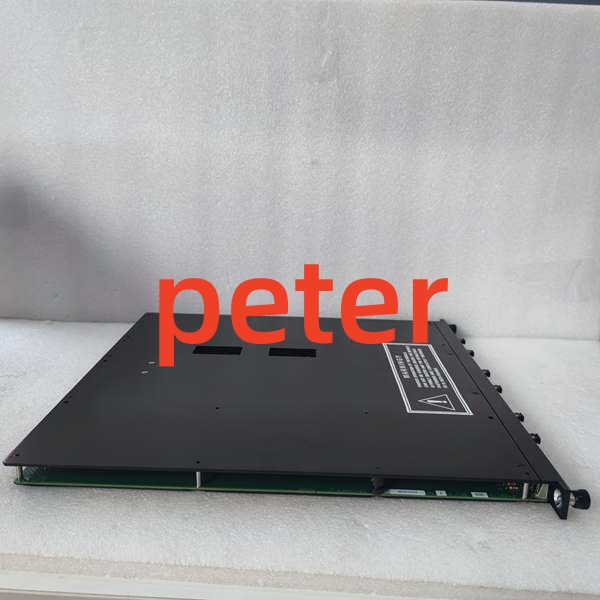
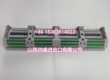
Triconex 4210
Field Service Pitfalls: What Rookies Get Wrong
Mixing 4210 and 4211 Inside Same Remote Triplet SetNew tech swaps one 4211 fiber card into an all-4210 copper triplet; incompatible physical layer triggers continuous LEG fault lights and intermittent I/O dropouts during daily temperature shifts.
- Field Rule: One remote rack triplet must use three identical model cards, all 4210 or all 4211; cross-model mixing violates SIL3 site acceptance test rules.
Unshielded Twisted Pair Wiring Without Single-End Shield TerminationInstallers run unshielded CAT3 wire and ground cable shield on both cabinet ends; induced ground loop noise generates periodic comm spike alarms during large motor startup transients.
- Quick Fix: Use 22AWG shielded twisted pair; terminate shield ground only at main chassis side, leave remote rack shield floating open.
Overrunning 150m Copper Distance Rating On Long Cabinet RunsTechnician extends copper cabling past rated 150m limit to skip fiber conversion; rising line resistance causes slow CRC error accumulation and random point freeze in TriStation diagnostics.
- Field Rule: Any field run exceeding 120m pre-emptively upgrade to 4211 fiber setup to avoid mid-run comm degradation after site commissioning.
Commercial Availability & Pricing Note
Please note: The listed price is for reference only and is not binding. Final pricing and terms are subject to negotiation based on current market conditions and availability.