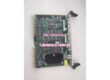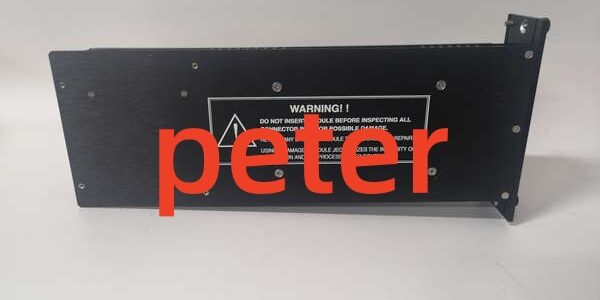
Component Snapshot At-a-Glance
- Model: 8312
- Alt. P/N: Cross compatible with 8310(115VAC)/8311(24VDC); cannot mix input voltage variants in redundant pair
- Product Series: Triconex Tricon V9/V10 SIS Chassis Redundant AC Power Supply family
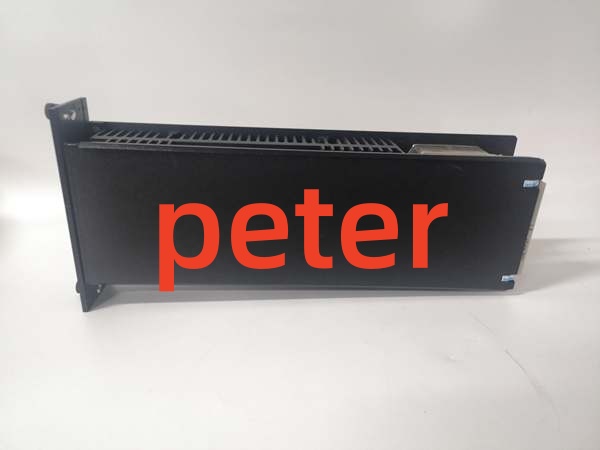
- Hardware Type: Rack-mount isolated AC-DC front-end power conversion PSU for main/expansion/RXM chassis
- Key Feature: Single unit full chassis load rating; N+1 redundant pairing with second PSU, zero rack shutdown during single supply failure
- Primary Field Use: Converts site 230VAC mains to regulated 6.5VDC backplane rail power for all Tricon processor & I/O cards inside chassis
Hard-Numbers: Technical Specifications
- Input Rating: 185~285VAC, 47~63Hz nominal 230VAC
- Regulated Output: 6.5VDC ±1% tolerance, max 27A @60°C ambient
- Max Continuous Output Power: 175W rated full chassis load capacity
- Input-Output Isolation: 1500VDC dielectric isolation primary to secondary side
- Operating Temp: 0℃~+60℃ continuous rated; -40℃~+85℃ storage limit
- Hold-Up Time: ≥20ms output retention after full AC input loss
- Internal Fuse: 2.5A slow-blow time delay primary side fuse
- Certification: SIL3 IEC61508, ATEX Zone2, UL hazardous location certified
- Mount: Standard left-side dedicated PSU slot on Tricon main/expansion backplane
The Real-World Problem It Solves
Single non-redundant chassis power units fail from grid surge or aging electrolytic caps, cutting all backplane voltage and triggering full SIS ESD shutdown across critical process equipment. Mixed mismatched PSU input voltages create uneven load split, accelerating premature burnout of one supply in paired configuration.
Where you’ll typically find it:
- Refinery FCC unit main SIS chassis paired dual 8312 for reactor ESD protection rack
- Coal-fired power plant boiler BMS expansion chassis feeding drum level safety I/O modules
- Onshore gas plant HIPPS cabinet power feeding pipeline high-pressure shutdown logic cards
Dual redundant 8312 pairing splits chassis load automatically; surviving unit carries full rack draw to eliminate unplanned safety trip from single power source failure.
Hardware Architecture & Under-the-Hood Logic
No onboard processing CPU; closed-loop PWM switching power topology with isolated primary/secondary windings, independent overvoltage/overcurrent protection circuits per rail.
- Site 230VAC mains feeds front-end EMI filter and slow-blow input fuse before hitting high-frequency switching transformer.
- Secondary winding rectifies filtered AC into raw DC; onboard feedback loop stabilizes output to fixed 6.5VDC regulation.
- Regulated DC routes via gold-plated edge connector directly into Tricon backplane main power bus for all slot modules.
- Independent thermistor circuit monitors internal core temp; triggers yellow TEMP pre-alarm before thermal shutdown threshold.
- Hardwired dry-contact alarm terminals tie to site DCS for remote alert on overtemp, missing PSU, low chassis backup battery status.
- Internal load-sharing circuitry balances draw between two paired 8312 units to cap uneven component stress in redundant setup.
Field Service Pitfalls: What Rookies Get Wrong
Mismatched PSU Input Voltage Types In Redundant Chassis PairTech installs one 8312(230VAC) alongside 8311(24VDC) in same rack; load-sharing fails, full chassis load shifts entirely to AC unit and overheats within weeks.
- Field Rule: Match identical input rating PSU models for redundant pairing; never cross AC/DC variant in same chassis dual power slots.
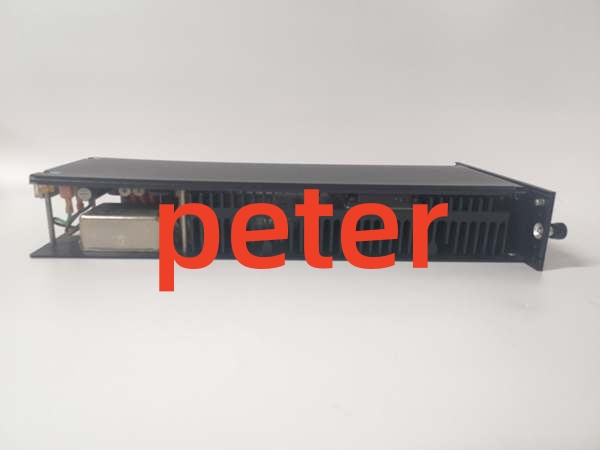
Blocking Cabinet Airflow Against PSU Cooling VentsCable bundles stacked tight against 8312 upper/lower ventilation slots restricts convection cooling; internal temp creeps above 65°C triggering intermittent overtemp fault and gradual capacitor dry-out.
- Quick Fix: Maintain minimum 5cm open clearance around all PSU vent openings; reroute field wiring away from chassis left-side power slots.
Skipping Scheduled Capacitor Preventive ReplacementMaintenance ignores 5-year electrolyte refresh cycle; aged bulk caps lose capacitance causing periodic undervoltage flicker and random I/O card fault flags on hot summer cabinet days.
- Field Rule: Schedule full PSU electrolytic capacitor replacement every 5 calendar years for coastal/high-humidity refinery & offshore cabinet deployments.
Commercial Availability & Pricing Note
Please note: The listed price is for reference only and is not binding. Final pricing and terms are subject to negotiation based on current market conditions and availability.