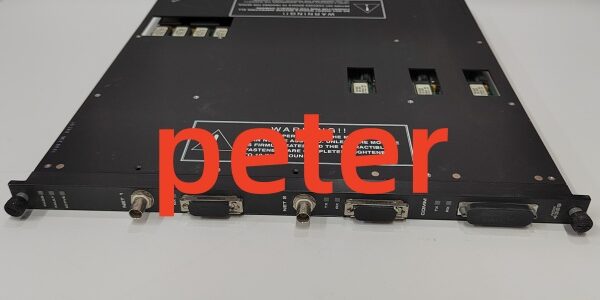
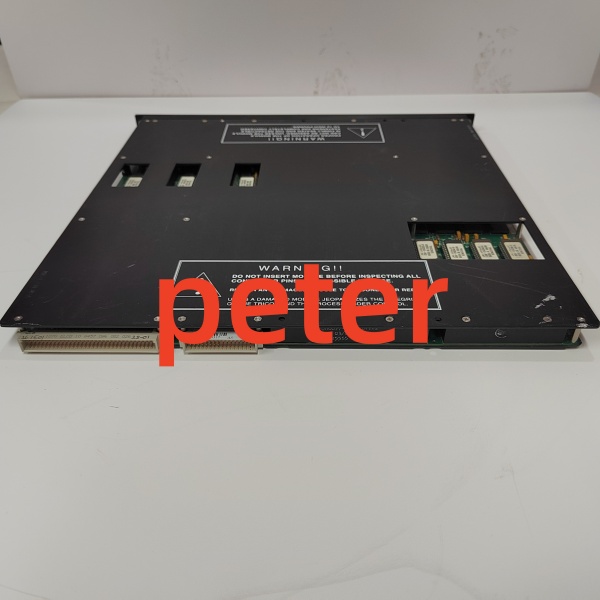
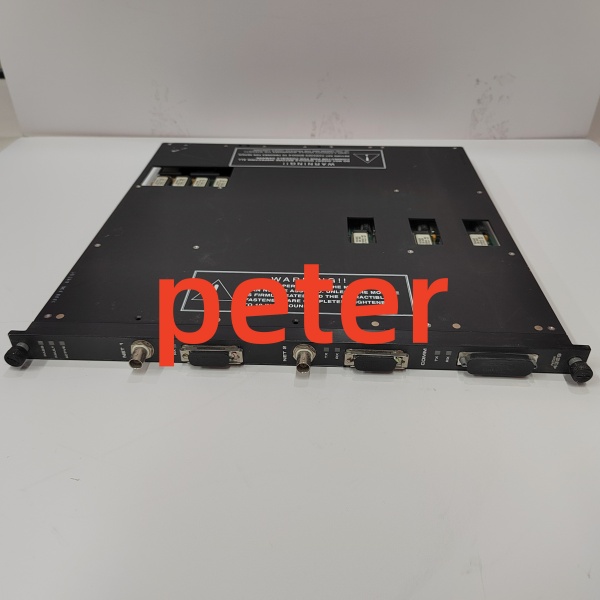
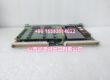
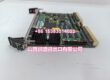
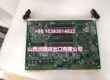
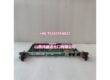
Primary Field Use: Executes ESD/BMS safety logic, manages Tribus I/O bus, stores millisecond-stamped SOE event logs for refinery and power plant safety racks
Onboard Memory:16MB DRAM, 32KB battery-backed SRAM, 6MB onboard Flash ROM
Tribus Bus Speed:25Mbps, full 32-bit CRC data protection + galvanic isolation
Isolation Rating:500VDC isolation for front-panel RS232 debug port vs internal logic rail
Backplane Input Power:6.5VDC from chassis PSU, typical draw ≤14W per single MP unit
Operating Temp:0℃~+60℃ full rated operation; -40℃~+70℃ limited derated run condition
SOE Timing Accuracy:1ms discrete event timestamp resolution
Certification: IEC61508 SIL3, ATEX Zone2, UL hazardous location approved
The Real-World Problem It Solves
Single-path non-redundant CPUs lock up from RAM corruption or single chip burnout, triggering full SIS system crash and unplanned process shutdown. Mixed mismatched processor revisions break cross-card TMR voting and cause intermittent random I/O freeze across safety loops.
Where you’ll typically find it:
Refinery FCC reactor SIS main chassis with three matched controlling catalyst feed shutdown interlocks
Onshore gas plant HIPPS cabinet for pipeline high/low pressure emergency shutdown sequencing
Matched triplet setup uses hardware majority voting to mask single-card faults; faulty unit hot-swaps live without interrupting running safety program.
Hardware Architecture & Under-the-Hood Logic
Each contains three fully segregated, electrically isolated processing legs; no shared clock or memory components between internal TMR paths to eliminate common cause fault propagation.
User safety logic loads from onboard Flash into DRAM after chassis power-up; three internal CPU cores run identical control code in parallel.
Processed output data transfers to on-card voting comparator before pushing onto isolated Tribus bus toward field I/O cards.
Onboard diagnostic circuitry continuously cross-checks three leg calculation values; out-of-tolerance reading flags channel degrade in TriStation logs.
SRAM backup battery retains SOE history and runtime variables for minimum six months after full rack power loss.
Front-panel RS232 debug port routes isolated diagnostic data for offline program download and fault dump retrieval.
Internal thermal sensor throttles core clock speed above 62°C ambient to slow component degradation in poorly ventilated sealed cabinets.
4329
Field Service Pitfalls: What Rookies Get Wrong
Tech swaps one with mismatched firmware version; inter-processor voting desyncs, sporadic SOE missing timestamps and periodic I/O communication blips surface weeks after replacement.
Field Rule: All three rack must carry identical TriStation firmware build before hot install; verify revision via front panel LED status pre-mount.
Ignoring 5-Year SRAM Battery Preventive Replacement ScheduleField crews skip battery refresh; depleted backup cell loses SRAM data during short power dip, wipes historical SOE logs and forces full program reload after site brief blackout.
Quick Fix: Replace internal lithium battery every 5 calendar years; tag replacement date on card edge label for future PM tracking.
Blocking Front Panel Air Vents With Cable Tie BundlesInstrument wiring stacked tight against MP upper/lower cooling slots traps waste heat; internal temp spikes above rated threshold triggering unplanned automatic logic throttling and slower interlock response times.
Field Rule: Leave minimum 4cm open clearance across all module ventilation cutouts; route vertical wiring away from processor slot front face.
Commercial Availability & Pricing Note
Please note: The listed price is for reference only and is not binding. Final pricing and terms are subject to negotiation based on current market conditions and availability.