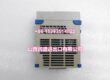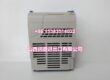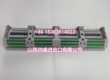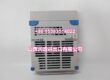
Component Snapshot At-a-Glance
- Model:
- Alt. P/N: 0399130 (factory marked alternate part number)
- Product Series: Foxboro I/A Series Classic & 200-Series Compact DCS Platform
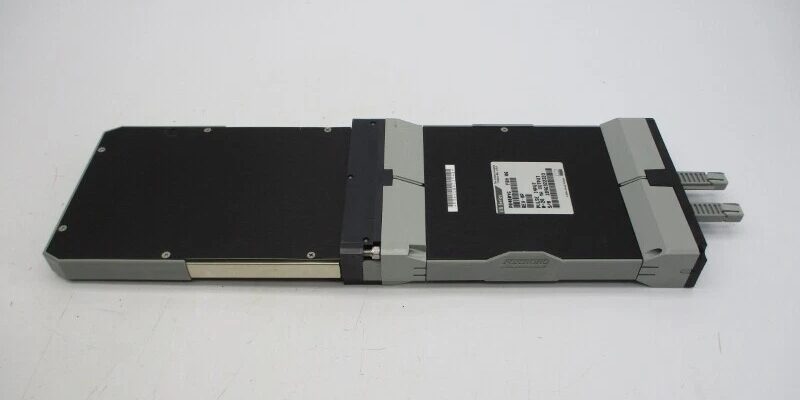
- Hardware Type: Backplane mounted protocol conversion interface assembly card
- Key Feature: Onboard galvanic isolation separating Modulebus backplane and external field communication bus
- Primary Field Use: Translate native Foxboro Modulebus signal into Modbus RTU/DeviceNet for third-party transmitters and remote PLC integration.
Hard-Numbers: Technical Specifications
- Protocol Support: Foxboro Modulebus (backplane), Modbus RTU, DeviceNet field side
- Port Count: 1 terminal block field communication port + rear gold finger backplane interface
- Baud/Data Rate: Fixed Modulebus 2Mbps; Modbus adjustable 9600/19200bps field side
- Operating Temperature: -20°C ~ +70°C continuous cabinet rated ambient
- Isolation Rating: 1500VAC isolation between DCS backplane logic and external field wiring
- Power Draw: 1.9W nominal load, powered via baseplate 24VDC SELV rail
- Hot-Swap Rating: Permitted live insertion on energized 200-series compact FBM baseplate
- Dimension: 150×100×30mm compact rack form factor, standard single baseplate slot footprint
- Humidity Rating: 5~95% RH non-condensing cabinet environment only
The Real-World Problem It Solves
Older Foxboro I/A racks lack native Modbus ports, forcing field crews to install costly standalone signal converters with extra marshalling terminals and loose wiring prone to intermittent open loops. External standalone gateways pick up MCC/VFD electrical noise and generate erratic PV spikes that trigger unplanned process shutdown alarms.Where you’ll typically find it:
- Refinery tank farm remote level transmitters needing Modbus feedback into central I/A DCS rack
- Coal power plant boiler auxiliary local PLC data upload to main Foxboro control system
- Petrochemical pump house smart valve positioner DeviceNet communication integration
Single-slot rack mounting eliminates extra conversion hardware and cuts noise-induced process value drift entirely.
Hardware Architecture & Under-the-Hood Logic
This assembly carries dedicated dual MCU conversion circuitry; isolation transformers split internal DCS bus domain and external field communication to block ground potential cross-feed between disparate plant grounding grids.
- Rear gold-finger connector draws regulated 24VDC operating voltage and raw Modulebus command/data from host FBM baseplate backplane.
- Primary onboard MCU captures Modulebus register data and formats payload matching selected field bus protocol (Modbus/DeviceNet).
- Isolated power and signal transformer blocks separate DCS internal circuit from field terminal wiring to break ground loop paths.
- Secondary transceiver pushes formatted protocol data out front-side terminal block to third-party field instruments or remote slave PLC units.
- Fault detection logic tracks bus timeout and wiring short, lighting front-panel red FAULT LED for quick field troubleshooting.
Field Service Pitfalls: What Rookies Get Wrong
Mix Modbus & DeviceNet Wiring Into Same Terminal Terminals
New tech terminates DeviceNet cable onto Modbus defined terminal pins; module locks constant fault LED and drops all backplane Modulebus traffic for entire rack slot.
- Quick Fix: Confirm port protocol via front DIP switch first; strictly separate Modbus two-wire and DeviceNet dedicated terminal pin assignments.
Ignore Isolation Ground Jumper Setting Per Site Ground Grid
Crew ties module isolated common pin to cabinet earth ground while field instrument uses separate plant ground; potential difference creates 60Hz induced noise causing floating Modbus readings.
- Field Rule: Leave isolated common floating unless DCS and field equipment share identical single-point plant ground reference.
Overload Field Port With Daisy-Chain Exceeding 32 Slave Nodes
Stack more than 32 Modbus instruments in single daisy chain; bus capacitance overload pulls port voltage low leading to intermittent random slave dropout.
- Field Rule: Split large instrument clusters across multiple cards once slave count exceeds 28 per channel.
Commercial Availability & Pricing Note
Please note: The listed price is for reference only and is not binding. Final pricing and terms are subject to negotiation based on current market conditions and availability.