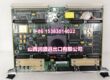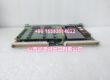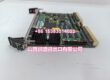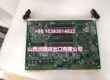
Component Snapshot At-a-Glance
- Model:
- Alt. P/N: (official series designation, no alternate factory part marking)
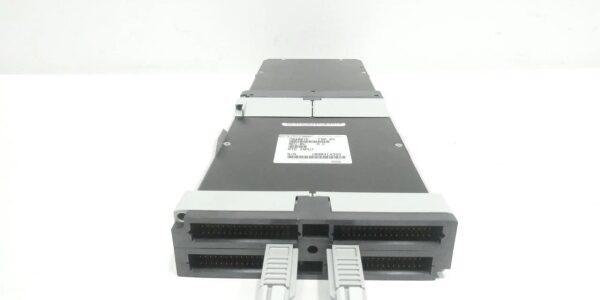
- Product Series: Foxboro I/A Series 200 Compact FBM Baseplate Platform
- Hardware Type: Isolated RTD analog input field module
- Key Feature: 8 fully galvanically separated channels supporting 2/3/4-wire RTD wiring configurations
- Primary Field Use: Convert field RTD resistance readings to digital data for DCS temperature trending and PID control loops.
Hard-Numbers: Technical Specifications
- Protocol Support: Foxboro proprietary 2Mbps Modulebus backplane bus
- Port Count: 8 field terminal input channels, rear gold-finger backplane connector
- Baud/Data Rate: Fixed 2Mbps Modulebus communication speed
- Operating Temperature: -20°C ~ +60°C continuous cabinet ambient rating
- Isolation Rating: 1500VAC channel-to-backplane galvanic isolation per channel bank
- Power Draw: 3.1W nominal operating power from baseplate 24VDC SELV rail
- Single Channel Range: 0~320Ω input resistance span per RTD channel
- Sensor Excitation: Fixed 0.75mA DC constant current drive per individual channel
- Hot-Swap Rating: Live insert/extract permitted on energized 200-series compact baseplate
- Accuracy Grade: ±0.05% full span conversion error for standard Pt100 RTD sensors
The Real-World Problem It Solves
Unisolated shared RTD input boards pick up common-mode noise from nearby VFD and MCC cabling, drifting temperature PV values and triggering false high/low process interlock trips. Mixed 2/3/4-wire RTD field runs previously required separate signal conditioner panels that add extra marshalling points and potential open-circuit faults.Where you’ll typically find it:
- Refinery furnace tube skin and feed preheater bundle temperature monitoring racks
- Coal power plant boiler superheater/reheater tube surface temperature DCS input cabinets
- Petrochemical reactor vessel wall and jacket cooling water remote temperature I/O racks
Single slot baseplate mounting eliminates external signal conditioning hardware and suppresses cross-channel EMI drift entirely.
Hardware Architecture & Under-the-Hood Logic
This houses independent per-channel excitation and ADC circuitry, isolated via optocoupler stacks to split field sensor wiring and DCS backplane power domains; no user programmable onboard CPU, fixed ASIC handles resistance-to-digital conversion.
- Rear edge gold-finger taps regulated 24VDC supply and raw Modulebus command data from host baseplate backplane.
- Onboard circuit distributes fixed 0.75mA excitation current out each field terminal to connected RTD resistance sensor.
- Channel ADC samples resultant voltage drop across RTD, converts measured ohm value into 16-bit digital temperature register data.
- Isolation barrier blocks field-side ground potential shift and induced AC noise before digital data passes to Modulebus transceiver.
- Transceiver packages aggregated 8-channel readings into standard Modulebus frame for uplink to host FCP controller via backplane.
- Front panel LED array flags module power status, backplane bus activity, single-channel open wire and overall card fault conditions.
Field Service Pitfalls: What Rookies Get Wrong
Miswire 3-Wire RTD Compensation Lead Into Unused Channel Terminals
Tech routes RTD compensation wire across empty spare channel pins; stray channel leakage current skews measured resistance and creates constant 3~8°C fixed temperature offset.
- Quick Fix: Terminate all three 3-wire conductors exclusively to defined channel pin set; leave unused terminal blocks empty with no spare wiring jumpers.
Overdrive Channels With External Loop-Powered Transmitter Wiring
Improperly wire 4-20mA transmitters directly to RTD input terminals; excess loop current burns internal channel excitation resistors and permanently disables individual input bank.
- Field Rule: accepts only passive resistance-type RTDs; all powered transmitters route to separate FBM current input modules.
Ignore Cabinet Thermal Derating During High Ambient Heat
Install module inside sealed unventilated marshalling cabinet above +62°C ambient; internal ADC drift rises exponentially leading to slow creeping temperature PV drift over weeks of runtime.
- Field Rule: Derate operating ambient to max +55°C for fully populated baseplate; add cabinet exhaust fans when surrounding enclosure exceeds +50°C continuous.
Commercial Availability & Pricing Note
Please note: The listed price is for reference only and is not binding. Final pricing and terms are subject to negotiation based on current market conditions and availability.