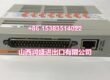
Component Snapshot At-a-Glance
- Model: FCM2F2
- Alt. P/N: RH914YZ, P0914YZ (OEM factory part marking)
- Product Series: Foxboro I/A Series 200-Series Compact FBM baseplate platform
- Hardware Type: Fiber optic Modulebus communication extender card
- Key Feature: Full galvanic electrical isolation between control-side and remote I/O rack via fiber media
- Primary Field Use: Bridge host FCP controller rack to remote FBM I/O baseplates up to 2km multimode fiber run.
Hard-Numbers: Technical Specifications
- Protocol Support: Foxboro proprietary Modulebus backplane protocol
- Port Count: Dual ST-type multimode fiber transmit/receive ports per unit
- Baud/Data Rate: Fixed 2Mbps Modulebus fiber transmission speed
- Operating Temperature: -20°C ~ +60°C continuous cabinet ambient rating
- Isolation Rating: Full electrical isolation eliminates ground loop cross-conduction across fiber path
- Power Draw: 2.8W nominal operating power sourced from baseplate 24VDC SELV rail
- Max Fiber Reach: 2000m (2km) with standard 62.5/125μm multimode fiber cable
- Fiber Connector: ST barrel physical interface only; incompatible with SC/FC fiber terminations
- Hot-Swap Rating: Live insert/extract allowed on energized 200-series compact baseplate
- Enclosure: Extruded aluminum shell, IP20 cabinet-only installation rating
The Real-World Problem It Solves
Copper Modulebus trunk runs over long plant cable routes pick up high EMI from MCC, VFD and high-voltage feeders, triggering intermittent FBM dropouts and sporadic DCS PV freeze faults. Long copper home-runs also create large potential differences between control room and field ground grids, inducing destructive ground loop current into backplane circuits.Where you’ll typically find it:
- Refinery CDU remote field I/O racks positioned near furnace and pump banks 1~1.8km from central control room
- Coal-fired power plant boiler side economizer/air preheater remote FBM marshalling cabinets
- Offshore platform process module remote instrument racks separated from main control shelter by cable tunnel runs
Fiber media blocks all conductive noise and ground potential drift to stabilize remote I/O bus reliability.
Hardware Architecture & Under-the-Hood Logic
This card carries dedicated bus transceiver and fiber opto-electronic converter circuitry; no on-board user programmable CPU, only fixed ASIC bus translation hardware separating copper baseplane logic and optical signal domains.
- Gold-finger rear edge connector pulls 24VDC operating power + electrical Modulebus data from host rack baseplate.
- Onboard bus transceiver conditions incoming parallel Modulebus data stream for opto-transmitter chip conversion to modulated light pulses.
- Light signal routes out TX ST port across multimode fiber to paired remote rack RX fiber input.
- Remote unit opto-receiver converts incoming optical pulses back to standard electrical Modulebus digital signaling.
- Recovered bus data feeds into remote baseplate backplane for distribution to all resident FBM analog/digital I/O modules.
- Front-panel six discrete LEDs independently track power status, backplane bus activity, TX fiber health, RX fiber lock and overall module fault state.
Field Service Pitfalls: What Rookies Get Wrong
Mix Multimode/Singlemode Fiber Cable On ST Ports
Tech splices singlemode fiber into ST terminals to stretch run distance past 2km; mismatched core diameter causes >12dB signal attenuation, constant link blink and periodic full remote rack bus dropout.
- Quick Fix: Restrict exclusively to 62.5/125μm multimode fiber; upgrade to FCM2F10 for runs exceeding 2km total length.
Non-Paired Redundant FCM Slot Placement On Baseplate
Install spare redundant into random empty baseplate slots instead of adjacent paired slot; backplane redundancy handshake fails, standby card never auto-takes over during primary unit failure.
- Field Rule: Always mount redundant FCM set in two consecutive neighboring baseplate slots per Foxboro rack layout specs.
Force-Fit Non-ST Fiber Adapters Into Module Front Ports
Improvised SC-to-ST cheap plastic adapters crack internal port ferrules after vibration from nearby rotating equipment, creating intermittent fiber contact loss and random remote I/O lockup.
- Field Rule: Use factory-spec ST-terminated patch cords only; no third-party hybrid fiber adapters for field permanent runs.
Commercial Availability & Pricing Note
Please note: The listed price is for reference only and is not binding. Final pricing and terms are subject to negotiation based on current market conditions and availability.