Core Technical Specifications
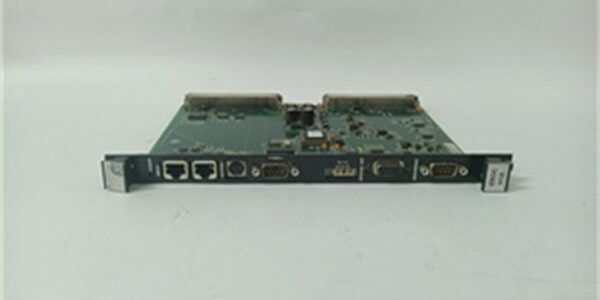
- Processor: Intel 80C188EA (16-bit, 10 MHz)
- Memory: 256 KB SRAM (Runtime), 512 KB Flash (Firmware/Settings)
- Backplane Compat: Rev A / Rev B I/O Modules (Native)
- Comm Ports: 2x RS-485 (Screw Terminals), 1x 10/100Base-T (RJ45)
- Logic Capacity: ~500+ FlexLogic Elements (Gates/Timers/Latches)
- Sampling Rate: 16 Samples/Cycle (Standard Protection)
- Power Draw: ~5-8W (Backplane Powered)
- Hot-Swap: Yes (Auto-syncs config from NV-RAM on insertion)
- OS/Env: Proprietary RTOS, -40°C to +70°C
- Front Indicators: RUN (Green), FLT (Red), COM (Activity), Self-Test
Customer Value & Operational Benefits
Legacy System Life Extension
The biggest value prop is Avoiding a Chassis Rip-and-Replace. If you have a 2004-vintage G60 or T60 with a dead CPU, the is the correct swap. Using a newer UR9AH (designed for Rev C+) on a Rev B backplane causes “Hardware Mismatch” or “DSP Error” faults because the bus timing/addressing changed. The keeps that 20-year-old relay online for another 5-10 years without rewiring the CT/VT terminations.
Deterministic Stability (80C188)
The 10MHz 80188 isn’t fast by modern standards, but it’s deterministic as hell. Unlike the multi-core GH/AH units that juggle tasks, this chip executes the protection scan in a rigid loop. For older hardened substations with noisy power, this simplicity means fewer weird race conditions or stack overflows during voltage sags. It just runs the ladder/ FlexLogic until the hardware dies.
Drop-In Commissioning
Because it targets Rev A/B, you don’t mess with DIP switch nightmares on the I/O cards. Pop the old CPU, slot the , power up, and it pulls the config from the backup SRAM (if alive) or accepts a download. Cuts MTTR from 4 hours (full rack swap) to 20 minutes during a forced outage.