Product Core Brief
- Model: 5453-277
- Brand: WOODWARD
- Series: MicroNet TMR Power Chassis
- Core Function: Houses dual redundant TMR power modules to deliver fault-tolerant power distribution for MicroNet safety and control systems.
- Product Type: TMR Power Supply Chassis / Control Rack
- Key Specs: Dual-slot redundant TMR power module bay | Load-sharing capability | MicroNet TMR system compatibility | Panel/rack mounting
- Condition: New Original / New Surplus
Key Technical Specifications
| Parameter | Specification |
|---|---|
| Part Number | 5453-277 |
| Manufacturer | WOODWARD, Inc. (Fort Collins, CO, USA) |
| Product Type | MicroNet TMR Power Supply Chassis |
| Chassis Capacity | 2 × TMR power modules (redundant configuration) |
| Redundancy Architecture | TMR (Triple Modular Redundancy) power distribution |
| Load Sharing | Yes — modules share load for improved efficiency |
| System Compatibility | Woodward MicroNet TMR safety/control systems |
| Mounting | Panel-mount / control rack integration |
| Approx. Weight | ~6.5 kg (varies by configuration) |
| Operating Temperature | 0 °C to 60 °C |
| Humidity | Up to 60% non-condensing |
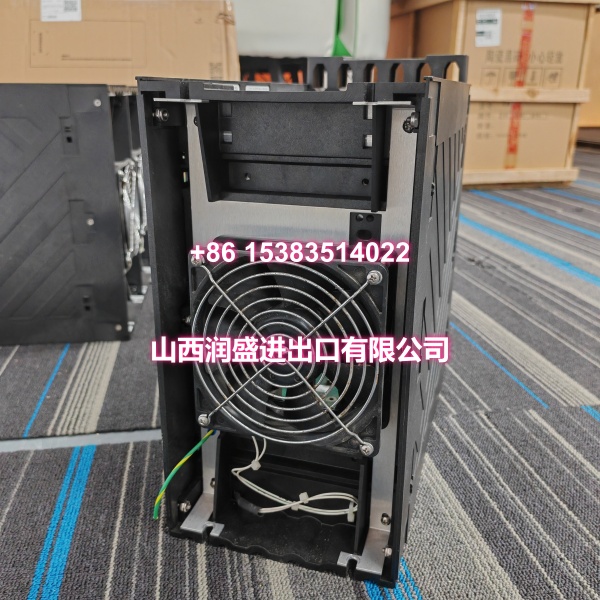
Product Introduction (No Fluff)
This is a WOODWARD MicroNet TMR power supply chassis designed to house two redundant TMR power modules within Woodward’s MicroNet safety and control architecture. It serves as the power distribution backbone for critical turbine, compressor, and engine protection systems where uninterrupted operation is non-negotiable.
The engineering advantage is clear: if one power module fails, the redundant module maintains system power without interruption. Combined with load-sharing between modules, this chassis reduces thermal stress on individual PSUs and extends mean time between failures. For integrators maintaining legacy MicroNet TMR installations, sourcing a verified chassis is often the fastest path to restoring redundancy without a full system redesign.
QA & Testing SOP (Dynamic & Transparent)
Power chassis units are passive by nature, but that doesn’t mean they escape inspection. Here’s how we verify them:
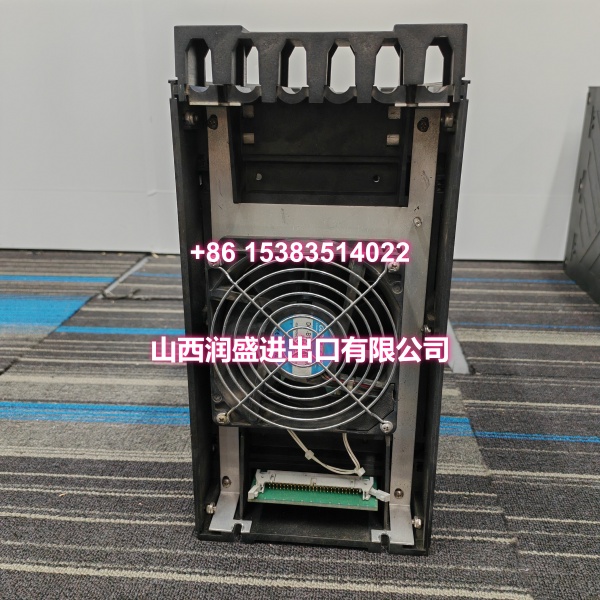
- Visual & anti-counterfeit inspection — Check part number label, revision marking, serial number, and overall chassis condition. Look for bent mounting rails, damaged backplane connectors, or signs of overheating on the PCB traces.
- Backplane continuity check — Using a Fluke multimeter, verify pin-to-pin continuity across the power module slots. Confirm no shorted pins or open circuits on the backplane bus.
- Module slot fit test — Seat a known-good TMR power module into each slot. Verify mechanical engagement, connector alignment, and retention latch function.
- Power distribution verification — With modules installed and rated AC/DC input applied, measure output voltages at the chassis terminals. Confirm both modules share load within specification.
- Packaging — ESD-bagged, foam-padded, and shipped in impact-resistant boxing with anti-static protection.
Installation Pitfalls & Guide (Engineer to Engineer)
❗ Verify module compatibility before ordering. The 5453-277 chassis accepts specific Woodward TMR power module variants. Not every MicroNet power module fits every chassis revision. Cross-reference your existing module part numbers before purchasing.
❗ Don’t ignore grounding. TMR systems depend on clean, isolated grounds. A floating chassis ground or shared ground loop with noisy VFDs can inject ripple into the power bus and trip false faults on downstream modules.
❗ Check load-sharing balance. After installation, measure current draw from each power module. If one module carries significantly more load than the other, investigate bus impedance or module calibration before going live.
❗ Label everything before pulling the old chassis. The backplane connectors are not keyed for every signal type. Swapping two cables during re-installation can send 24 V DC into a logic input.
Replacement steps:
- Document all wiring, module positions, and grounding connections. Photograph the existing setup.
- De-energize the system and isolate all power feeds. Remove the old chassis.
- Mount the replacement chassis, reinstall power modules, and reconnect wiring per your documentation.
- Power up one module at a time. Verify output voltages, confirm load sharing, then bring the full MicroNet system online.
Technical FAQ
Can you offer price flexibility for bulk or repeat orders? Yes. Pricing depends on condition (new original vs. new surplus), revision, and whether you need supporting documentation such as test reports. Surplus stock typically offers more flexibility.
What warranty do you provide? Warranty terms vary by condition and stock source. New original units carry manufacturer-backed coverage; new surplus units carry our own tested-unit warranty. We confirm terms before shipment.
Is this directly compatible with my existing MicroNet system? In most cases, yes — the 5453-277 is a standard MicroNet TMR power chassis. However, you must confirm that your installed TMR power modules match the chassis revision. Module-to-chassis compatibility is not universal across all MicroNet generations.
Can this chassis work with non-Woodward power modules? No. The backplane pinout, mechanical keying, and communication protocol are proprietary to Woodward’s MicroNet TMR architecture. Third-party modules will not seat or function correctly.
Is this model still available or obsolete? The MicroNet TMR platform remains in active use across many industrial installations, but individual chassis availability depends on revision and regional stock. If you are maintaining a critical safety system, we recommend securing tested spares and archiving your configuration now.