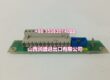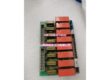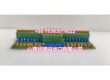
Component Snapshot At-a-Glance
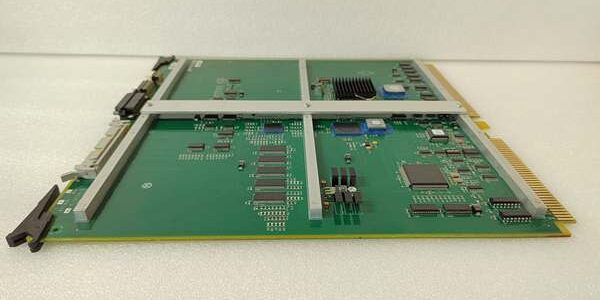
- Model: 51403519-160 (Internal designation K4LCN-16)
- Alt. P/N: No direct drop-in cross replacement; older K4LCN-8 variants lack 16MB memory capacity
- Product Series: Honeywell TDC3000 / TPS LCN Local Control Network
- Hardware Type: Full-slot rack-mounted LCN memory processor controller board
- Key Feature: Motorola 68030 core + 16MB ECC memory for high-volume LCN data buffering and history node workloads
- Primary Field Use: Manage LCN network traffic, execute node housekeeping, buffer real-time process and historical data for TPS operator, history and application chassis.
Hard-Numbers: Technical Specifications
- Protocol Support: Honeywell proprietary synchronous LCN bus, internal chassis backplane diagnostic telemetry
- Port Count: 2 x LCN coax edge connectors for A/B redundant network paths; gold finger backplane connector; front panel status LED array
- Baud/Data Rate: Fixed 1Mbps LCN synchronous bus polling speed
- Operating Temperature: 0°C to +55°C operational cabinet; -40°C to +85°C storage
- Isolation Rating: 1500VAC galvanic isolation between LCN coax field bus and internal processor logic
- Power Draw: Chassis 24VDC rail, nominal 620mA, total module power consumption 1.5W
- Processing Core: Motorola 68030 20MHz real-time CPU
- Memory: 16MB ECC error-correcting RAM, 1MB onboard firmware Flash storage
- Vibration Tolerance: 5g peak-to-peak 20–500Hz cabinet vibration rating
- Shock Rating: 30g peak 11ms transient shock for offshore platform skids
- Certifications: CE EMC, UL recognized, ATEX Zone 2 cabinet compatible
- Form Factor: Standard TPS full-width rack slot PCB, dimensions 365 × 365 × 20mm
- Weight: 0.83kg single board assembly
The Real-World Problem It Solves
Older K4LCN-8 8MB memory processor boards hit memory overflow during high alarm throughput, triggering LCN node dropouts and lost history archives. Separate external buffer hardware adds extra rack slots and introduces additional single points of failure for refinery and power plant critical DCS nodes. Without dual redundant LCN transceivers built onto the board, chassis lose full operator visibility if one coax trunk shorts or cuts. Generic third-party LCN processor boards lack ECC memory, leading to silent data corruption of custody transfer and safety point records.Where you’ll typically find it:
- Refinery TPS history node chassis handling continuous flow, pressure, temperature long-term data archiving
- Fossil power plant boiler/turbine operator station chassis running high-density alarm and trend displays
- Offshore FPSO legacy TDC3000 distributed control nodes requiring fault-tolerant LCN data bufferingThis integrated 16MB ECC memory processor eliminates external buffer hardware, supports dual redundant LCN paths, and prevents data corruption under heavy plant load swings.
Hardware Architecture & Under-the-Hood Logic
This board is the primary LCN traffic handler for its host chassis; it runs independent real-time housekeeping logic separate from HPM process controllers and includes built-in dual redundant LCN transceivers.
- Gold finger backplane connector pulls regulated 24VDC chassis power and internal chassis status signals to the main 68030 processor core.
- Dual isolated LCN A/B transceiver circuits receive and transmit synchronous 1Mbps network telegrams for redundant trunk failover.
- 16MB ECC RAM buffers incoming real-time process values, alarm events and historical trend data to avoid LCN bus congestion during peak plant upsets.
- Onboard firmware Flash stores node configuration, LCN addressing tables and cyclic self-test routines for the processor and memory array.
- Continuous ECC memory scan detects single-bit data corruption and logs fault codes to the TPS system event journal without dropping live process data.
- Front panel multi-state LED array displays LCN A/B link health, processor RUN status, memory fault and general board failure flags for quick cabinet troubleshooting without laptop connection.
Field Service Pitfalls: What Rookies Get Wrong
Deploying K4LCN-8 8MB Low-Memory Boards In High-Volume History Nodes
New technicians install smaller 8MB K4LCN-8 spares to cut inventory costs on history chassis. Limited memory overflows during high alarm bursts, causing cyclic LCN node resets and permanent loss of critical trend archive data.Field Rule: All dedicated history and primary operator station chassis must use only 51403519-160 K4LCN-16 16MB memory processor boards.
Single LCN Coax Cable Installation (No A/B Redundant Path)
Crews only run one coax trunk to the chassis LCN connector to reduce wiring labor. If that single coax cable sustains damage, the entire node loses all DCS communication with zero automatic failover path.Quick Fix: Run two separate 75Ω LCN coax cables to both A and B LCN board connectors on every 51403519-160 chassis; label each trunk clearly on cabinet cable trays.
Skipping Annual ECC Memory Fault Proof Test
Most field techs ignore the dedicated memory diagnostic test during yearly SIS/DCS proof testing. Hidden single-bit memory errors accumulate over months, slowly corrupting custody transfer and safety point history records with no visible front panel fault LED until full board failure.Field Rule: Execute full memory ECC diagnostic test via TPS System Status display during every annual outage; replace board immediately if any memory error codes are logged.
Commercial Availability & Pricing Note
Please note: The listed price is for reference only and is not binding. Final pricing and terms are subject to negotiation based on current market conditions and availability.