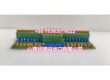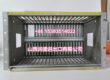
Component Snapshot At-a-Glance
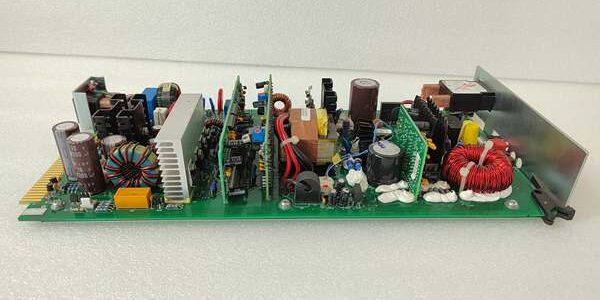
- Model: 51196655-100 (ACX633 series, common revision Rev.D)
- Alt. P/N: No direct drop-in cross replacement; matching unit required for redundant chassis pairing
- Product Series: Honeywell TDC3000 / TPS DCS ACX633 dual-node chassis power supply
- Hardware Type: Full-width chassis slot switching power supply assembly, hot-swap supported
- Key Feature: Four independent regulated DC output rails with individual overvoltage/overcurrent fault protection
- Primary Field Use: Deliver stable multi-rail DC power to HPM, NIM, CLCN, and UCN communication boards inside TPS dual-node control chassis.
Hard-Numbers: Technical Specifications
- Protocol Support: TPS proprietary chassis backplane fault diagnostic bus, event logging to LCN system journal
- Port Count: Front AC mains terminal block; internal gold edge connector for chassis backplane power distribution; front panel fault LED indicators
- Baud/Data Rate: N/A, power conversion hardware with digital fault status telemetry
- Operating Temperature: 0°C to +60°C operational cabinet; -40°C to +85°C storage
- Isolation Rating: 1500VAC galvanic isolation between AC mains input and all DC output rails
- Power Draw: AC input rating 120V/4A or 240V/3A, 47–63Hz
- DC Output Rail Ratings:+5V @ 20A, +12V @ 3A, -12V @ 1A, +27V @ 0.6A
- Protection Circuits: Overvoltage shutdown, overcurrent auto-latch, thermal overtemp cutback, short-circuit recovery
- Vibration Tolerance: 0.5g continuous 10–60Hz cabinet vibration rating
- Certifications: CE EMC, UL recognized, ATEX Zone 2 cabinet compatible
- Form Factor: Full-width TPS chassis slot, weight 2.12kg single unit
- Cooling: Internal forced fan cooling with front filter dust intake
The Real-World Problem It Solves
Chassis running a single 51196655-100 power supply creates a full DCS rack shutdown risk if the supply fails. Generic third-party multi-rail power units lack matched rail sequencing, causing controller boot crashes and LCN/UCN communication board initialization faults on power-up. Unmonitored rail voltage drift slowly degrades CLCN and NIM transceiver hardware over years, generating intermittent LCN node drop alarms with no clear root cause until full supply failure.Where you’ll typically find it:
- Refinery TPS dual-node HPM controller chassis power backbone for process control and LCN communication boards
- Fossil power plant boiler and turbine control cabinets housing NIM, history, and redundant LCN interface hardware
- Offshore FPSO legacy TDC3000 distributed control racks requiring multi-rail regulated chassis powerThis factory-tuned four-rail supply maintains tight voltage tolerance across all control boards, provides full fault telemetry, and supports dual redundant parallel installation to avoid full rack power loss.
Hardware Architecture & Under-the-Hood Logic
This PWM switching power supply contains isolated AC-DC conversion stages plus independent regulator circuits for each DC rail; built-in fault monitoring logic reports rail failures to the chassis main node controller.
- AC mains input passes through EMI filter and slow-blow primary fuse to suppress lightning and welding transients before the main switching stage.
- High-frequency PWM transformer generates isolated raw DC voltage, split into four separate post-regulation circuits for +5V, +12V, -12V, +27V rails.
- Each rail uses dedicated voltage feedback and current-limit circuitry to lock output within tight tolerance windows during rack load transients.
- Thermal sensor mounted on main heat sink tracks internal temperature; triggers power derating then full shutdown if intake filter clogs with cabinet dust.
- Front panel LED array lights red for individual rail overvoltage/overcurrent faults; green steady = all rails within operating range.
- Backplane digital fault signal transmits supply health status to the chassis node controller, logging all rail faults to the TPS system event journal for operator alarm generation.
Field Service Pitfalls: What Rookies Get Wrong
Single Supply Installation Without Second Redundant 51196655-100 Unit
New technicians install only one power supply to cut spare inventory costs. Single supply operation creates a single point of failure; any internal rail fault drops all controller and network boards offline with zero failover path.Field Rule: All dual-node TPS chassis require two matched 51196655-100 power supplies wired in parallel redundant load-sharing configuration.
Skipping Monthly Intake Filter Cleaning
Most crews ignore the front air intake filter maintenance schedule. Dust buildup blocks cooling airflow, raising internal supply temperature and triggering intermittent thermal shutdown faults during hot summer cabinet conditions.Quick Fix: Remove and vacuum the foam intake filter every 30 days; replace damaged filters to maintain rated cooling airflow.
Mixing Mismatched Revision Level Power Supplies In Parallel
During spare swap-outs, technicians pair Rev.C and Rev.D 51196655-100 units in the same chassis. Internal load-sharing circuit differences create uneven current draw; one supply carries full rack load and prematurely trips overcurrent faults.Field Rule: Only pair identical revision level (Rev.D) 51196655-100 power supplies in redundant chassis; mark revision numbers clearly on spare unit labels.
Commercial Availability & Pricing Note
Please note: The listed price is for reference only and is not binding. Final pricing and terms are subject to negotiation based on current market conditions and availability.