Component Snapshot At-a-Glance
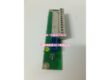
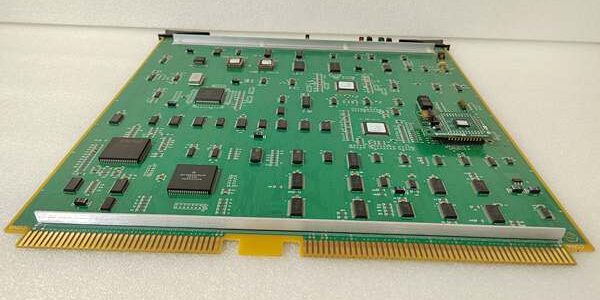
- Model: 51306673-100 (Internal designation EPNI, Enhanced Processor Node Interface)
- Alt. P/N: No direct cross-replacement; older ENB Ethernet boards lack full LCN traffic offload capacity
- Product Series: Honeywell TDC3000 / TPS LCN Local Control Network DCS
- Hardware Type: Full-width rack slot Ethernet gateway processor board, hot-swap capable
- Key Feature: Dedicated on-board communication CPU to offload LCN-to-Ethernet traffic without slowing chassis LCN processor scan cycles
- Primary Field Use: Bridge TPS LCN node real-time process, alarm and history data to plant Ethernet LAN for HMI, historians, remote SCADA and offline configuration workstations.
Hard-Numbers: Technical Specifications
- Protocol Support: Honeywell proprietary synchronous LCN bus, 10/100 Base-TX Ethernet, TCP/IP, TFTP, TPS system diagnostic telemetry
- Port Count: 1 x RJ45 front-panel Ethernet port; dual internal LCN A/B redundant bus transceivers; gold finger edge connector to chassis backplane
- Baud/Data Rate: LCN fixed 1Mbps synchronous bus; Ethernet auto-negotiate 10/100 Mbps full/half duplex
- Operating Temperature: 0°C to +55°C operational cabinet; -40°C to +85°C storage
- Isolation Rating: 1500VAC galvanic isolation between Ethernet LAN port and LCN control bus circuitry
- Power Draw: Chassis 24VDC rail, nominal 700mA, total module power consumption 1.7W
- On-Board Processing: Dedicated communication ASIC with 4MB message buffer for LCN-Ethernet frame translation
- Max Concurrent LAN Connections: 32 simultaneous workstation/HMI client sessions
- Vibration Tolerance: 0.5g continuous 10–60Hz cabinet vibration rating for offshore skid installations
- Certifications: CE EMC, UL recognized, ATEX Zone 2 cabinet compatible
- Form Factor: Standard TPS full-slot PCB, dimensions 362 × 360 × 22mm
- Weight: 1.5kg single board assembly
The Real-World Problem It Solves
Routing all external LAN HMI/historian traffic directly through the chassis K4LCN memory processor eats critical scan bandwidth, triggering LCN node slowdowns and missing trend archives during plant upset high-alarm bursts. Older ENB Ethernet boards lack dual LCN A/B transceivers, creating full LAN data blind spots if one LCN coax trunk fails. Third-party Ethernet converters lack factory LCN impedance matching, introducing signal reflection noise that spawns constant LCN node dropout alarms on large refinery LCN rings.Where you’ll typically find it:
- Refinery TPS history node chassis pushing continuous custody transfer trend data to plant historians
- Fossil power plant boiler/turbine operator station chassis connecting remote control room HMIs over corporate LAN
- Offshore FPSO legacy TDC3000 distributed control nodes requiring fault-tolerant LCN-to-Ethernet data exportThis dedicated EPNI gateway segregates all external LAN traffic onto isolated hardware, maintains dual redundant LCN bus access, and eliminates LCN processor scan cycle overload.
Hardware Architecture & Under-the-Hood Logic
This board runs independent communication processing separate from the chassis main K4LCN LCN processor; dual isolated LCN transceivers enable seamless failover between A/B trunk paths.
- Gold finger backplane connector pulls regulated 24VDC chassis power and LCN handshake status signals to the dedicated EPNI communication ASIC.
- Dual isolated LCN A/B transceiver circuits receive synchronous 1Mbps LCN telegrams from the chassis LCN bus, with built-in 75Ω impedance matching for long coax runs.
- 4MB on-board buffer stores inbound LCN process values, alarm events and trend data to prevent bus congestion during peak plant upset conditions.
- Isolated Ethernet PHY chip translates buffered LCN frames to standard TCP/IP packets for transmission to plant LAN HMIs and historians.
- Continuous cyclic self-test validates LCN coax impedance and Ethernet link integrity; fault codes log to the TPS system event journal via the chassis backplane.
- Front panel multi-state LED array displays LCN A/B link health, Ethernet link/activity, board RUN status and general hardware fault flags for cabinet troubleshooting without laptop connection.
Field Service Pitfalls: What Rookies Get Wrong
Single LCN Coax Cable Installation (No A/B Redundant Trunk)
New technicians only run one 75Ω LCN coax to the EPNI board’s LCN connector to cut wiring labor. If that single coax sustains damage, all Ethernet HMI/historian data drops entirely with zero automatic failover path.Field Rule: Run two separate OEM 75Ω LCN coax cables to both A and B LCN transceivers on every 51306673-100 EPNI board; label A/B trunk runs clearly on cabinet cable trays.
Unshielded Office CAT5 Cable For EPNI Ethernet LAN Runs
Crews reuse standard unshielded office CAT5 cable for cabinet-to-control-room Ethernet runs. VFD and motor cabinet EMI corrupts TCP/IP packets, causing intermittent HMI screen freezes and missing trend archive records.Quick Fix: Deploy shielded CAT6 FTP cable for all EPNI Ethernet trunk runs; terminate shield drain wire only at the DCS cabinet switch side, leave remote end shield insulated with no earth connection.
Overloading EPNI Client Connection Limit With Excess HMIs/Historians
Most apprentices stack 40+ HMI and historian client sessions on a single EPNI board, exceeding the 32 concurrent connection limit. Buffer overflow triggers cyclic EPNI board resets and total loss of LAN process data visibility.Field Rule: Cap concurrent client sessions at 28 per EPNI board; split high-volume historian/HMI loads across multiple EPNI-equipped chassis nodes.
Commercial Availability & Pricing Note
Please note: The listed price is for reference only and is not binding. Final pricing and terms are subject to negotiation based on current market conditions and availability.