Product Core Brief
- Model: DSRF197
- Order Code: 3BSE019297R1
- Brand: ABB
- Series: ABB Distributed Control Systems (DCS) / PLC Platforms
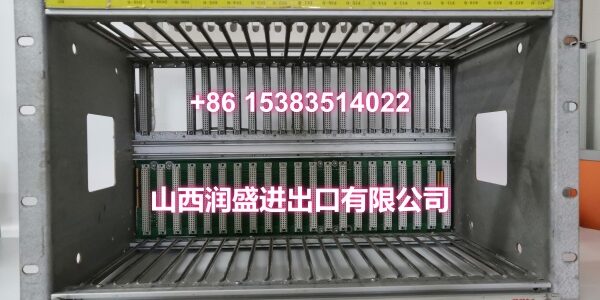
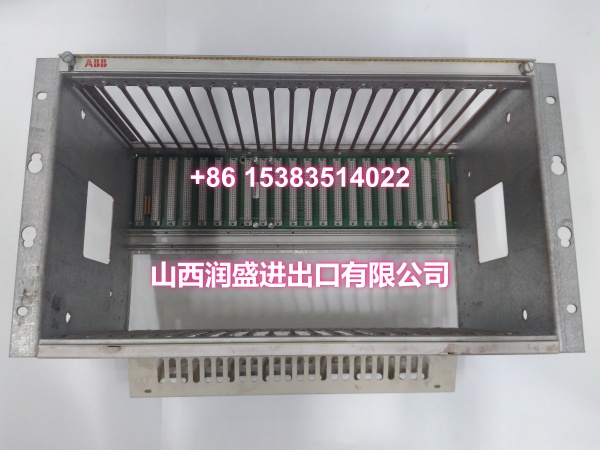
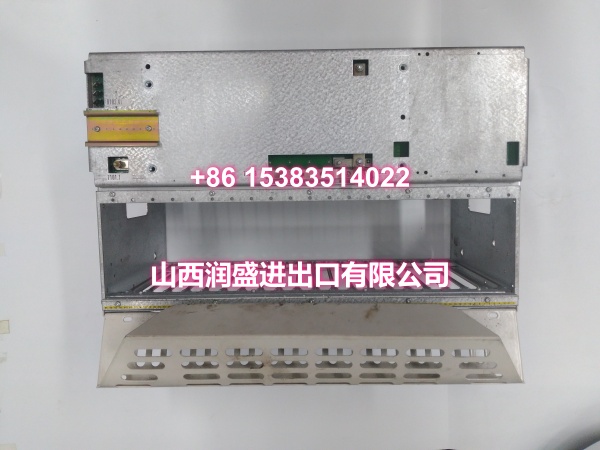
- Core Function: I/O device frame that provides a structured mounting platform, power distribution, and bus connection for ABB I/O modules — serves as the foundational hardware for building stable, maintainable, and scalable ABB automation systems.
- Product Type: I/O Device Frame
- Key Specs: Structured mounting platform for ABB S500 series I/O modules | Integrated power bus for module power distribution | Built-in communication bus for controller data exchange | DIN rail or panel mounting | Industrial-grade construction
- Condition: New Original / New Surplus
Key Technical Specifications
- Product Type: I/O Device Frame for ABB DCS/PLC Platforms
- Brand: ABB
- Model Number:
- Order Code: 3BSE019297R1
- Series: ABB Distributed Control Systems / PLC Platforms
- Core Function: Provides a structured mounting platform, power distribution, and bus connection for ABB I/O modules — simplifies I/O module installation and wiring while providing reliable electrical connections and communication paths for the entire I/O system
- Compatible Modules: ABB S500 series I/O modules (including analog input/output, digital input/output, and special function modules)
- Bus Interface Type: Interface for connection to ABB control system bus — enables efficient, reliable data communication between installed I/O modules and the main controller
- Power Interface: Integrated power bus that provides stable, reliable power supply to all I/O modules installed on the frame — eliminates the need for additional power wiring
- Mounting Method: DIN rail mounting or panel mounting — standardized installation method simplifies system assembly and maintenance
- Construction Material: Industrial-grade plastic or metal — designed to withstand mechanical shock and vibration in harsh industrial environments
- Thermal Design: Designed with adequate heat dissipation to ensure stable operation of installed I/O modules under industrial environmental conditions
- Operating Temperature: Industrial-grade temperature range — suitable for control cabinet environments
- Environmental Rating: Designed for industrial control cabinet installation
- Product Status: Discontinued (spare parts supply) — compatible with ABB DCS/PLC controller ecosystems
- Typical Applications: I/O expansion and integration for ABB DCS/PLC-controlled industrial automation systems — managing signal exchange with peripheral devices in process control, power generation, manufacturing, and other industrial applications; serving as a critical spare part for lifecycle support of mature ABB automation installations where I/O frame replacement is required
Product Introduction
The ABB DSRF197 (order code 3BSE019297R1) is an I/O device frame designed for ABB’s distributed control system (DCS) and programmable logic controller (PLC) platforms, engineered to provide the foundational hardware infrastructure for building stable, maintainable, and scalable ABB automation systems. In an industrial control cabinet, the DSRF197 plays a critical role as the structural and electrical backbone for I/O module installation — it provides a unified, organized mounting space for ABB S500 series I/O modules, integrates power distribution to eliminate redundant wiring, and establishes reliable communication pathways between field I/O and the main controller.
What distinguishes the DSRF197 in ABB automation installations is its role as more than just a passive mounting bracket. The frame integrates a power bus that distributes stable power to all installed I/O modules, reducing the complexity of external power wiring and minimizing potential points of failure. The built-in communication bus ensures that data from analog input/output, digital input/output, and special function modules flows efficiently and reliably to the main controller — a critical requirement for deterministic control in process automation and discrete manufacturing applications.
The DSRF197’s industrial-grade construction — typically manufactured from robust plastic or metal — is designed to withstand the mechanical shock, vibration, and environmental stresses common in industrial control cabinet installations. Its standardized DIN rail or panel mounting interface simplifies system assembly, while the modular design allows for flexible I/O expansion: engineers can install different quantities and types of I/O modules based on actual application requirements, making the system easily customizable and upgradeable.
For system integrators and maintenance engineers supporting mature ABB DCS/PLC installations, the DSRF197 is a critical spare part. As a discontinued product, availability of genuine units is essential for lifecycle support — a failed I/O frame can prevent multiple I/O modules from communicating with the controller or receiving power, effectively disabling an entire section of the control system. Having verified genuine DSRF197 frames on hand ensures that I/O-related hardware failures can be resolved quickly, keeping production lines running.
QA & Testing SOP
Every unit undergoes a standardized verification process before shipment:
- Visual & Anti-Counterfeit Check: Inspect the frame for proper ABB branding and part number marking (DSRF197, 3BSE019297R1). Check for physical damage including cracked housing, damaged mounting points, bent DIN rail clips, or signs of moisture ingress (corrosion, white residue on contacts).
- Power Bus Integrity Test: Verify that the integrated power bus provides continuous, low-resistance electrical continuity across all module positions — this ensures that every I/O module installed on the frame receives stable power without voltage drop.
- Communication Bus Test: Verify that the built-in communication bus provides reliable data pathways between all module positions and the controller interface — this ensures that I/O data from any installed module can be transmitted to the main controller without signal degradation.
- Mounting Mechanism Test: Verify that DIN rail clips or panel mounting hardware are intact, properly tensioned, and provide secure attachment — loose mounting can cause vibration-related failures in industrial environments.
- Module Slot Compatibility Test: Verify that I/O module slots accept ABB S500 series modules with proper mechanical fit and electrical contact — ensure that module insertion and removal is smooth and that connector pins align correctly.
- Thermal & Environmental Check: Inspect for adequate heat dissipation design and verify that the frame construction meets industrial-grade specifications for shock and vibration resistance.
- Anti-Static & Mechanical Protection: After passing all tests, the frame is placed in anti-static shielding with protective caps on connectors. It is then packed in rigid cardboard with foam cushioning to prevent mechanical shock and ESD damage during transit.
Installation Pitfalls & Guide
Real-World Risks When Replacing This Frame:
❗ Module Compatibility: The DSRF197 is designed specifically for ABB S500 series I/O modules. It is not compatible with other ABB I/O families such as S800, DSQC robot I/O, or Advant OCS modules, which use different mechanical and electrical interfaces. Always verify that your existing I/O modules are S500 series before ordering.
❗ Controller Compatibility: The DSRF197 must be connected to a compatible ABB DCS/PLC controller via the appropriate bus interface. Always verify that your controller model and firmware support the S500 I/O architecture before installation.
❗ Incorrect Mounting: The DSRF197 must be securely mounted on a DIN rail or panel as specified in the system documentation. Improper mounting can cause mechanical stress on the frame and installed modules, leading to intermittent connections or physical damage in high-vibration environments.
❗ Power Distribution Verification: After installing the frame, verify that the integrated power bus is receiving the correct supply voltage and that power is being distributed to all module positions. Incorrect power connections can damage installed I/O modules.
❗ Bus Termination: Ensure that the communication bus is properly terminated according to the controller’s I/O configuration requirements. Improper bus termination can cause communication errors between the controller and I/O modules.
❗ Module Installation Sequence: When populating the frame with I/O modules, follow the system’s I/O address assignment plan. Installing modules in the wrong positions can cause address conflicts and prevent the controller from correctly mapping I/O signals.
❗ Grounding Requirements: Ensure that the I/O frame and connected devices share a common ground reference. Improper grounding can cause signal noise, false triggers, and communication errors.
4-Step Replacement Guide:
- Pre-Install: Identify the failed DSRF197 frame location in the control cabinet. Document the existing I/O module configuration — note which modules are installed in each position and their address assignments. Back up the current controller configuration. Power down the control system and disconnect the main power supply.
- Removal: Disconnect all power and communication cables from the DSRF197 frame. Remove all I/O modules from the frame, noting their positions. Release the DIN rail clips or panel mounting hardware and carefully remove the old frame from the cabinet. Inspect the mounting surface and cables for damage or debris.
- Install: Mount the new DSRF197 frame in the same position, securing it with DIN rail clips or panel mounting hardware. Reinstall all I/O modules in their original positions, ensuring proper mechanical fit and electrical contact. Reconnect all power and communication cables, verifying correct terminal assignments and that connectors are fully seated.
- Power-On Test: Reconnect the main power supply and power up the control system. Verify that the controller recognizes all I/O modules installed on the DSRF197 frame with no communication errors. Check that power is being distributed correctly to all module positions. Test I/O signals by exercising inputs and outputs to verify stable performance.
Technical FAQ
What is the DSRF197 used for? The DSRF197 is an I/O device frame that provides a structured mounting platform, power distribution, and bus connection for ABB S500 series I/O modules. It serves as the foundational hardware for building stable, maintainable, and scalable ABB automation systems — simplifying I/O module installation and wiring while providing reliable electrical connections and communication paths between field I/O and the main controller.
What I/O modules are compatible with the DSRF197? The DSRF197 is designed for ABB S500 series I/O modules, including analog input/output, digital input/output, and special function modules. It is not compatible with other ABB I/O families such as S800, DSQC robot I/O, or Advant OCS modules.
What are common failure modes for this frame? Common failure modes include: power bus degradation from corrosion or loose connections; communication bus failure from connector damage or electrical noise; mounting mechanism wear from vibration or repeated module insertion/removal; and physical damage from environmental stress. In most cases, a failing DSRF197 will cause multiple I/O modules to lose communication or power simultaneously, which can be diagnosed through controller diagnostics.
Is the DSRF197 still in production? The DSRF197 is a discontinued product, with supply now limited to spare parts inventory (New Original / New Surplus). For plants maintaining mature ABB DCS/PLC installations, having verified genuine DSRF197 frames on hand is critical for lifecycle support, as availability from ABB’s direct supply chain may be limited.
What warranty do you offer on New Surplus parts? We provide a full 12-month warranty on all New Original / New Surplus units. This is fundamentally different from refurbished or pulled frames, which often carry 30–90 day warranties and come with unknown operational history, potential connector wear, and degraded component performance. For an I/O frame that is critical to system-wide I/O communication and power distribution, the reliability difference between new surplus and refurbished directly impacts production uptime and the risk of unexpected I/O failures.