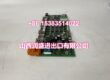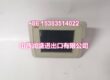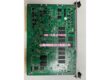
Component Snapshot At-a-Glance
- Model: Foxboro P0970KK
- Alt. P/N: Letter Bug Annunciator Keyboard
- Product Series: Foxboro I/A Series DCS
- Hardware Type: Hardwired annunciator keyboard (no touchscreen)
- Key Feature: RS-423 serial interface, dedicated alarm annunciation keys
- Primary Field Use: Physical operator input for alarm acknowledgment, annunciation, and direct DCS control in critical process areas.
Hard-Numbers: Technical Specifications
- Protocol Support: RS-423 (serial, point-to-point)
- Port Count: 1 × RS-423 DB9/terminal port
- Baud/Data Rate: 9.6 kbps typical, async
- Operating Temperature: 0°C to +50°C (control room only)
- Isolation Rating: Basic galvanic isolation (no high-voltage rating)
- Power Draw: 5 W max, 24VDC local or bus-powered
- Form Factor: Panel-mount industrial keyboard, dedicated alarm keys
- Weight: 3.18 kg (7 lbs)
- Hot Swap: Not supported (hardwired operator interface)
- Redundancy: Not redundant; paired with redundant DCS nodes
The Real-World Problem It Solves
Touchscreens fail in dirty, high-vibration control rooms—gloves, spills, and screen washout cause missed alarms. Generic keyboards lack dedicated alarm keys, slowing operator response during upsets.
Where you’ll typically find it:
- Power plant main control room boiler/turbine alarm consoles
- Refinery FCCU and distillation unit hardwired alarm panels
- Chemical plant safety instrumented system (SIS) annunciator stations
This unit gives operators a tactile, glove-friendly interface to acknowledge alarms and execute critical commands without relying on fragile touchscreens.
Hardware Architecture & Under-the-Hood Logic
It’s a dedicated microcontroller-based keypad with hardwired key matrix and RS-423 transceiver. It’s not a general-purpose HMI—only annunciator and control functions.
- Operator presses dedicated key (alarm ack, reset, trip).
- Key matrix scans and encodes key ID to onboard MCU.
- MCU formats command frame and transmits over RS-423 to DCS node.
- DCS node validates and executes action (ack alarm, change setpoint).
- Local LED indicators show key status and communication health.
- Built-in watchdog resets MCU on communication lockup.
Field Service Pitfalls: What Rookies Get Wrong
RS-423 Wiring Swapped for RS-232 Causes No CommunicationTechs often cross-wire RS-423 Tx/Rx to standard RS-232 ports. The keyboard lights but never talks to the DCS.
- Field Rule: Use only RS-423 ports; match Tx ↔ Rx, GND ↔ GND. Do not adapt to RS-232.
Mounting Near VFDs Causes Corrupted Key ReadsInstalling within 1 m of variable-frequency drives induces EMI. Operators press one key, DCS sees random inputs.
- Quick Fix: Maintain ≥1.5 m clearance from VFDs; use shielded RS-423 cable, shield grounded at DCS end only.
24VDC Undervoltage Triggers Intermittent LockupsUsing a shared 24V supply with heavy I/O loads drops voltage below 20VDC. The keyboard resets mid-shift, losing alarm acknowledgments.
- Field Rule: Dedicated 24VDC circuit for annunciator keyboards; keep voltage 22–26VDC.
Commercial Availability & Pricing Note
Please note: The listed price is for reference only and is not binding. Final pricing and terms are subject to negotiation based on current market conditions and availability.