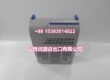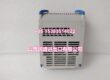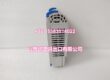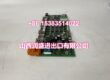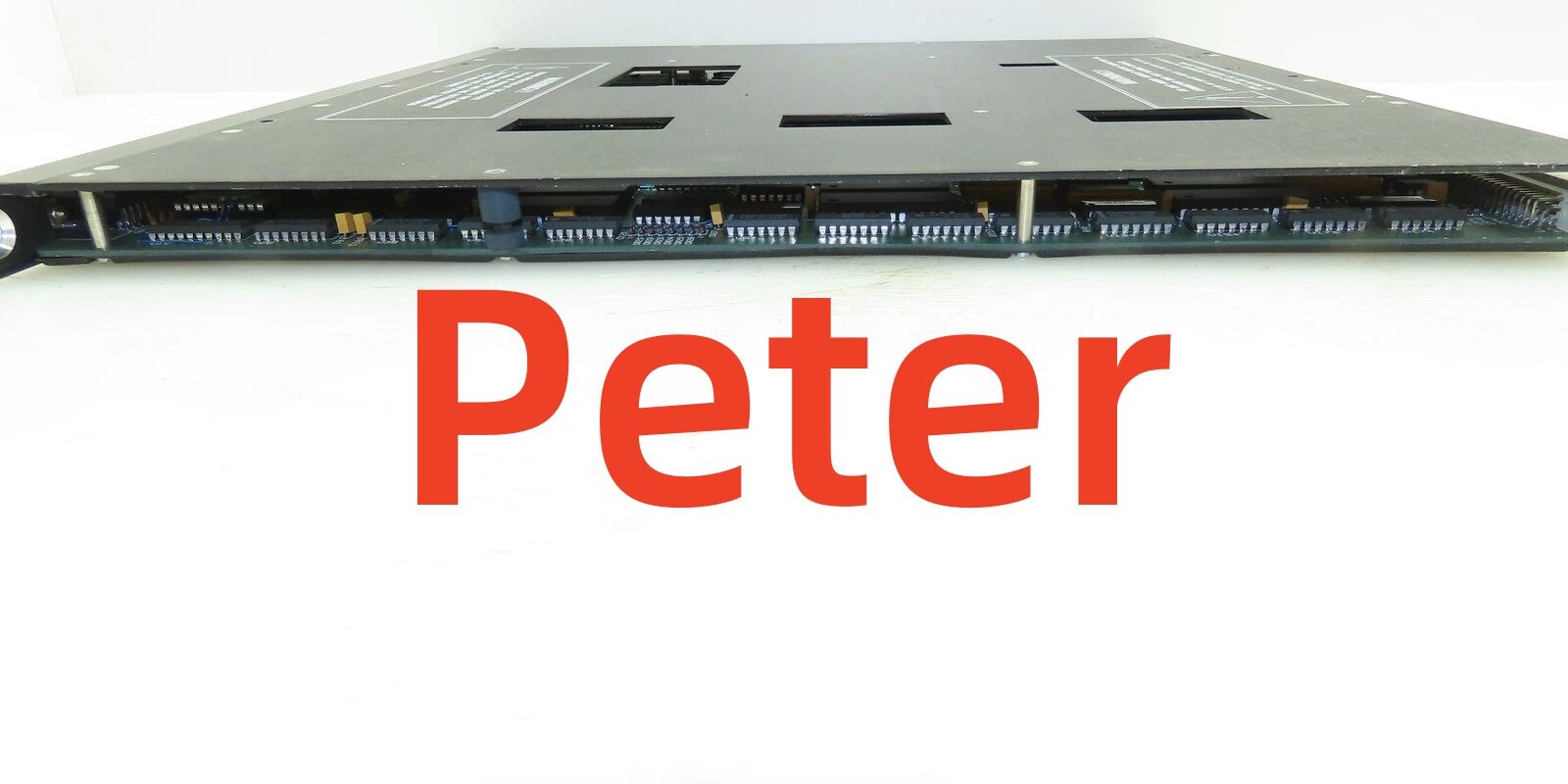
Component Snapshot At-a-Glance
- Model: Triconex ICM4101
- Alt. P/N: None
- Product Series: Tricon Classic / Trident TMR SIS Platform
- Hardware Type: Inter-Cabinet Communication Module
- Key Feature: Dual redundant highway ports with full TMR data voting and error checking
- Primary Field Use: Establishes reliable communication between main chassis and remote I/O cabinets across distributed SIS layouts.
Hard-Numbers: Technical Specifications
- Protocol Support: Tricon proprietary inter-cabinet highway protocol
- Port Count: 2 dual redundant highway ports
- Data Rate: 1 Mbps nominal highway speed
- Operating Temperature: 0°C to +60°C
- Isolation Rating: 1500VAC port-to-backplane isolation
- Power Draw: 210mA @ 5VDC from chassis backplane
- Max Cable Length: 1000 meters per segment
- TMR Architecture: 2oo3 hardware voting for all transmitted/received data
- Humidity Rating: 5% to 95% non-condensing, non-icing
- Certification: SIL3 per IEC 61508, TÜV, UL, CE
The Real-World Problem It Solves
Long-distance I/O runs without dedicated inter-cabinet links suffer signal loss and noise interference. Single-port communication hardware creates full system outage if one link fails.Where you’ll typically find it:
- Large refinery sites with remote I/O racks spread across process units
- Power plants separating main SIS room from turbine and boiler field cabinets
- Offshore facilities with multiple independent safety cabinets networked togetherThis dual-port redundant module maintains data integrity over long cable runs and prevents total comms loss from a single link fault.
Hardware Architecture & Under-the-Hood Logic
This is an active intelligent TMR module with dedicated communication processors, fully isolated from the main backplane.
- Data from local backplane splits into three separate processing lanes for TMR operation.
- Each lane processes inbound and outbound highway traffic independently.
- 2oo3 voting validates all data frames before passing to remote cabinets or local I/O.
- Two physical highway ports operate in active-standby mode and perform continuous link checks.
- Fault codes and link status feed to on-board LEDs and system diagnostic logs.
- Module supports hot-swap; replacement does not interrupt active cabinet communication.
Field Service Pitfalls: What Rookies Get Wrong
Improper Cable Termination on Highway SegmentsTechnicians skip 120Ω end-of-line resistors on long highway cables. Signal reflections cause CRC errors and intermittent link drops.
- Field Rule: Install 120Ω terminators at both physical ends of each highway segment; remove resistors from mid-point taps.
Mixing Cable Types for Inter-Cabinet RunsUsing standard twisted pair instead of specified shielded highway cable introduces EMI. High noise triggers constant frame errors and link flapping.
- Quick Fix: Use factory-specified shielded data cable only. Separate highway wiring from 480V power cables by minimum 30 cm.
Exceeding Maximum Segment LengthRunning cable past 1000 meters degrades signal strength. Links drop during temperature shifts or vibration.
- Field Rule: Stay under 1000 meters per segment. Add intermediate chassis if layout requires longer distances.
Commercial Availability & Pricing Note
Please note: The listed price is for reference only and is not binding. Final pricing and terms are subject to negotiation based on current market conditions and availability.