Component Snapshot At-a-Glance
- Model: Triconex 4000043-325
- Alt. P/N: No alternate part number
- Product Series: Tricon V9/V10 TMR SIS Platform
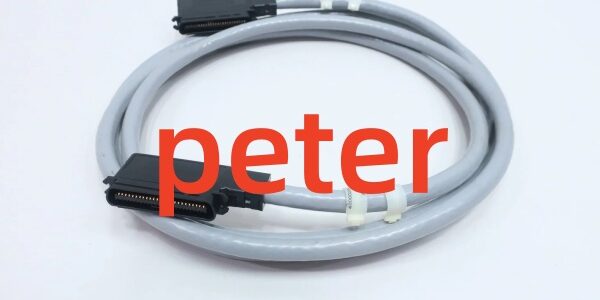
- Hardware Type: Preassembled multi-conductor interconnect cable assembly
- Key Feature: Dual foil and braid shielding with keyed molded connectors
- Primary Field Use: Transfers TMR signals and power between modules and chassis within Tricon safety systems.
Hard-Numbers: Technical Specifications
- Cable Length: Standard 3.25 ft (0.99 m)
- Conductor Gauge: 24 AWG stranded tinned copper
- Shield Construction: Foil plus braided dual shielding
- Isolation Rating: 1500VAC dielectric withstand
- Operating Temperature: -20°C to +80°C
- Minimum Bend Radius: 4 inches (102 mm)
- Jacket Material: Flame-retardant industrial PVC
- Connector Type: Molded keyed plug, polarity locked
- Humidity Rating: 5% to 95% non-condensing
- Vibration Rating: Rated for continuous cabinet vibration
The Real-World Problem It Solves
Field-built custom cables have inconsistent shielding and crimp quality, leading to signal noise and intermittent faults in TMR logic. Improper pinouts also cause permanent damage to expensive I/O and processor modules.Where you’ll typically find it:
- Main Tricon chassis for internal controller to I/O module connections
- Expansion I/O racks linking secondary slots to main system bus
- Marshalling cabinets connecting termination hardware to core SIS modulesThis factory-built assembly maintains signal integrity and eliminates wiring errors during installation and maintenance.
Hardware Architecture & Under-the-Hood Logic
This is a passive cable assembly with no onboard electronics. It carries parallel TMR signals and DC power between connected hardware.
- Keyed male connector locks into upstream module port to prevent reversed insertion.
- Individual conductors carry discrete TMR data lines and 24VDC power separately.
- Dual shielding blocks EMI and RFI from nearby power wiring and variable frequency drives.
- Internal conductor grouping follows Tricon pin mapping for 1:1 signal routing.
- Second molded connector routes all lines to the destination module or backplane slot.
- Integrated strain relief at both ends reduces conductor fatigue under vibration.
Field Service Pitfalls: What Rookies Get Wrong
Forcing Misaligned ConnectorsTechnicians apply brute force when connectors do not seat freely. This bends internal pins and creates open or shorted circuits.
- Field Rule: Align key notch fully before inserting. Stop if resistance is felt; never force the connection.
Over-Bending Cable During RoutingSharp bends below the minimum radius crack insulation and break internal conductors. Faults often appear weeks after installation.
- Quick Fix: Use gentle sweeping curves for routing. Maintain minimum 4-inch bend radius at all points.
Removing or Grounding Shield at Both EndsCutting shielding or grounding both connector ends creates ground loops. This introduces noise and triggers false input states.
- Field Rule: Keep full shielding intact. Ground shield only at the main chassis end; leave remote end floating.
Commercial Availability & Pricing Note
Please note: The listed price is for reference only and is not binding. Final pricing and terms are subject to negotiation based on current market conditions and availability.