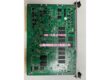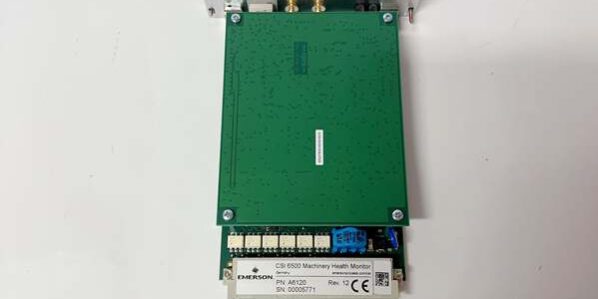
Component Snapshot At-a-Glance
- Model:
- Alt. P/N: -0GB, paired companion RTM- rear transition module
- Product Series: Emerson AdvancedTCA Standard Industrial Compute Blade Series
- Hardware Type: Full-size ATCA single-slot x86 processor compute blade
- Key Feature: Full ATCA compliant hot-swap + onboard IPMC shelf management controller for chassis health monitoring
- Primary Field Use: Runs gateway/real-time data acquisition for offshore rig DCS, power plant SCADA core server, industrial telecom signaling rack data processing
Hard-Numbers: Technical Specifications
- Protocol Support: ATCA Fabric 1G Ethernet, IPMI v1.5, PCIe 1.0, Base 10/100/1000BASE-T backplane bus
- Port Count: Front panel 2×GE copper LAN; RTM rear adds dual GigE + storage expansion interface; dual ATCA Fabric fabric channel to chassis backplane
- Baud/Data Rate: Fabric interface fixed 1Gbps per channel; Base Ethernet auto 10/100/1000Mbps negotiation
- Operating Temperature: -40°C ~ +70°C chassis rated; stable continuous run recommended 0℃~+65℃
- Isolation Rating: 1500V DC field-to-backplane surge isolation on all copper Ethernet ports
- Power Draw: Chassis -48VDC ATCA input; typical 32W idle, peak 48W full CPU load
- Memory Spec: Max 16GB total DDR2 ECC RAM, accepts 2G/4G dedicated ATCA-7X50 series memory sticks
- Local Storage: Onboard SATA interface for 2.5” SSD/HDD, single drive bay integrated on blade PCB
- Vibration Rating: 0.3g 10–150Hz continuous for compressor and offshore cabinet mounting
The Real-World Problem It Solves
Legacy rack-mounted industrial servers waste multiple chassis slots and lack hot-replace capability; process sites must shut down entire rack to swap failed compute hardware. Older non-ATCA boards miss centralized shelf monitoring, hidden PSU or overheat faults go undetected until full server crash.
Where you’ll typically find it:
- Offshore production platform central control rack: DCS protocol conversion between DeltaV and remote wellhead RTU equipment
- Coal power plant SCADA core cabinet: Real-time historical data logging + plant alarm aggregation host
- Petrochemical refinery telecom rack: Fieldbus-to-Ethernet gateway for distributed tank farm monitoring
This single-slot ATCA blade consolidates full x86 compute into standard chassis slot and enables live card replacement without cutting rack main power.
Hardware Architecture & Under-the-Hood Logic
This blade locks into standard 12U ATCA chassis backplane, integrates dual-core Xeon LV5138 host CPU plus independent IPMC management MCU; management circuits are electrically isolated from main compute domain to avoid process load noise corrupting chassis monitoring signals.
- Chassis backplane Base fabric routes chassis shelf manager I²C commands directly to onboard IPMC controller at card insertion
- IPMC completes FRU data readout, voltage/temp pre-check before releasing hot-swap power rail to main Xeon core
- Host CPU pulls OS from local SATA storage, initializes onboard DDR2 and front/rear RTM-connected Ethernet peripherals
- Process payload data routes across ATCA Fabric high-speed backplane to adjacent switch blades inside same chassis
- IPMC continuously samples blade inlet temp, core voltage and load current, feeds fault alerts to central shelf manager via Base bus
Field Service Pitfalls: What Rookies Get Wrong
Mismatched RTM Rear Transition Module VariantNew technicians pair generic non-GER variant RTM with -0GB, pinout offset disables rear Ethernet and storage ports, boots with intermittent disk dropouts; logged three offshore rig data outages from wrong RTM pairing.
- Field Rule: Only deploy RTM–GER factory specified rear transition module per part datasheet.
Overpopulating Memory With Mixed RAM Part NumbersMixing 2G and 4G third-party non-ATCA qualified memory modules triggers ECC parity errors, random OS kernel panics under sustained SCADA data logging load.
- Quick Fix: Populate all four memory slots with identical ATCA-7X50-MEM-2G or MEM-4G OEM memory only.
Blocking Blade Inlet Air Vents With Cable BundlesTying field Ethernet cabling tight against blade front air intake restricts chassis forced airflow, internal silicon hits thermal throttle above +62°C and drops processor clock mid-batch data collection.
- Field Rule: Leave minimum 30mm unobstructed clearance across full front-panel vent area when dressing cabinet wiring.
Commercial Availability & Pricing Note
Please note: The listed price is for reference only and is not binding. Final pricing and terms are subject to negotiation based on current market conditions and availability.