Product Core Brief
- Model: RCU602 (VERIFY from nameplate)
- Brand: Kongsberg Maritime
- Series: VERIFY — confirm platform (K-Pos / K-Bridge / K-Master / legacy)
- Core Function: Remote control interface — provides operator control and monitoring access to the vessel’s automation or DP system from a secondary station
- Product Type: Marine automation / remote control unit / legacy spare
- Key Specs: VERIFY (interfaces) | VERIFY (supply voltage) | VERIFY (mounting)
- Condition: New Original / New Surplus
Key Technical Specifications
| Category | Parameter | Value |
|---|---|---|
| Identification | Model | RCU602 (VERIFY) |
| Identification | Brand / Platform | Kongsberg Maritime / VERIFY |
| Identification | Revision | VERIFY — confirm from nameplate |
| Function | Module Type | Remote control unit / interface |
| Interfaces | Communication | VERIFY (serial / Ethernet / CAN as applicable) |
| Interfaces | Operator I/O | VERIFY (display, joystick, mode switches) |
| Electrical | Supply Voltage | VERIFY |
| Environmental | Operating Temperature | VERIFY |
| Environmental | Enclosure Rating | VERIFY |
| Compatibility | Interchangeable Variants | VERIFY — do not assume from “RCU” prefix |
| Supply | Availability Status | Legacy / obsolete stock |
Product Introduction (No Fluff)
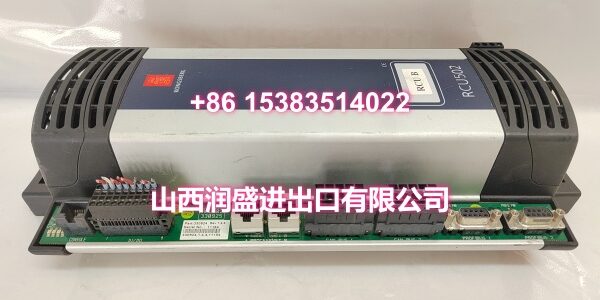
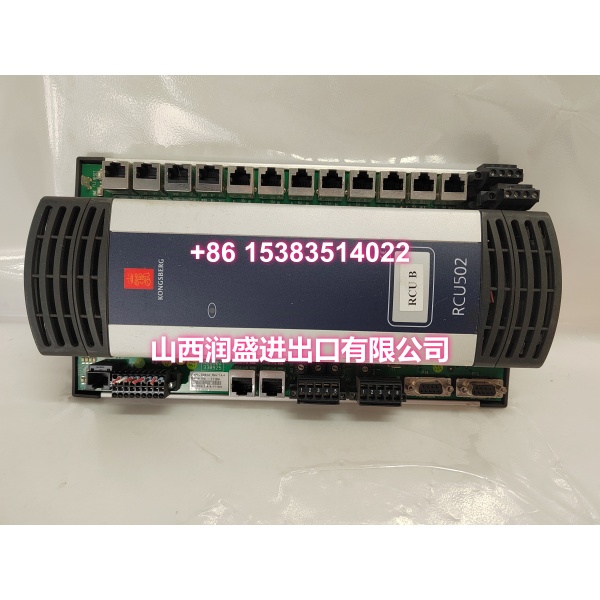
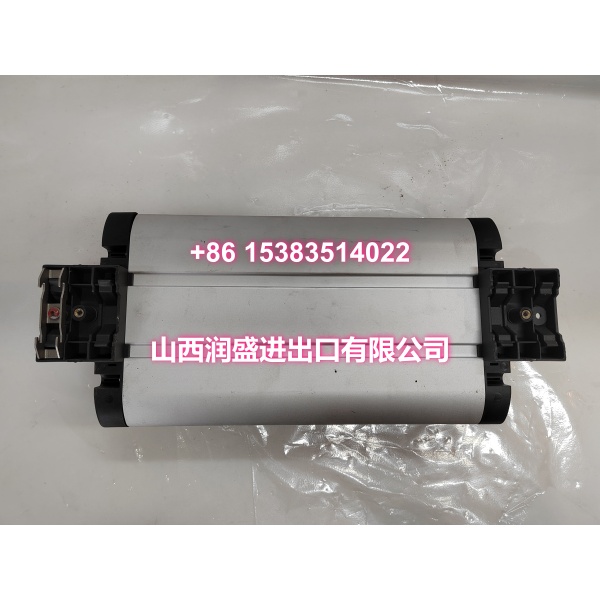
Kongsberg RCU602 is a remote control unit used in marine automation and dynamic positioning systems — the station that lets the crew control and monitor the system from a position other than the main console. On a DP vessel, that redundancy is not a convenience; it is part of the certified operating concept.
Two details decide whether a replacement works. First, the exact model and revision — “RCU602” is not confirmed in public Kongsberg catalogues, so the nameplate is the only reliable source. Second, the platform: K-Pos, K-Bridge, and legacy Kongsberg hardware are not cross-compatible, and a wrong unit can invalidate a certified configuration. Bottom line: match the complete nameplate string, not the “RCU” prefix.
QA & Testing SOP
- Anti-counterfeit intake. Nameplate photographed under raking light; model, revision, and part number checked for consistent laser depth. Counterfeits fail on the trailing characters.
- Connector and board inspection. Edge connectors and marine-grade terminals checked for bent pins, oxidation, and salt-air corrosion — the dominant failure mode on vessel-installed electronics.
- Bench power-up. Rated voltage applied through a current-limited supply. Startup sequence, self-test result, and LED/display behavior logged against the manual.
- Function verification. Control and monitoring channels exercised through the documented test sequence; communication ports polled and confirmed to respond before packing.
- ESD-safe, moisture-protected packing. Anti-static bag, foam cradle, humidity indicator, sealed and photographed before dispatch.
Installation Pitfalls & Guide
❗ Model ambiguity is the first failure. Confirm the exact Kongsberg part number and revision from the removed unit before ordering. “RCU602” alone is not sufficient to guarantee a match.
❗ Configuration is not stored in the unit. A replacement boots with defaults. Restore the engineered configuration and addressing before energizing.
❗ Certification impact. On DP2/DP3 vessels, replacing a control station can affect the certified configuration and may require a class society survey and a renewed DP FMEA before operations resume.
❗ Redundancy state. Identify which station is primary before removal to avoid an unplanned switchover.
❗ Sensor and bus addressing. Confirm cable lengths, bus addresses, and calibration data match the original configuration.
Replacement sequence:
- Pre-install — photograph slot/station position, jumpers, and cabling; export the configuration.
- Removal — de-energize or perform a documented switchover; label every cable.
- Install — seat fully, restore jumpers and grounding, torque terminals to spec.
- Commissioning — cold boot, load configuration, validate each channel against a known reference, then confirm stable operation before returning the system to service.
Technical FAQ
Is pricing negotiable on volume? On legacy marine stock, price follows availability rather than quantity. Tell us your real requirement up front.
What warranty applies? Twelve months on New Original. Six months on New Surplus. We state the difference rather than bury it.
Will any Kongsberg RCU swap into my system? No. K-Pos, K-Bridge, and legacy hardware are not cross-compatible, and certification depends on the exact configuration. Match the complete part number and revision.
Can I upgrade to a newer Kongsberg platform instead? You can — but that means new sensor integration, new configuration, and fresh class approval. That’s an engineering project, not a purchase order. If you want it, we’ll scope it honestly.
Is this part obsolete? Treat it as legacy. Order against your maintenance horizon, not against today’s failure.
Next step: send a nameplate photo and I’ll confirm the model, revision, and platform — then replace every VERIFY field with real data. I can also add FAQPage + Product Schema markup on request.