Product Core Brief
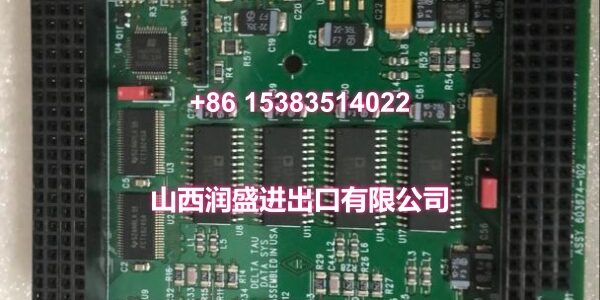
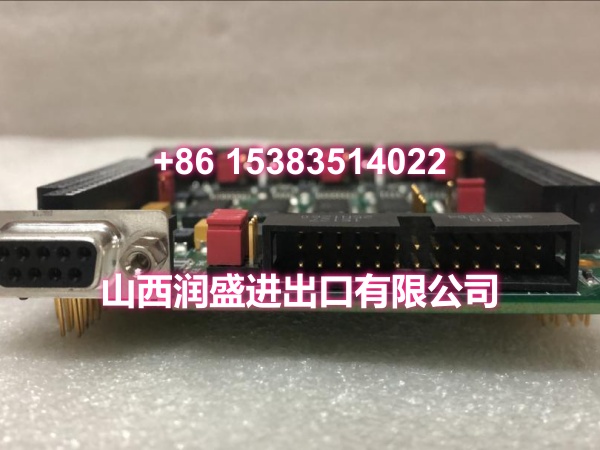
- Model: PMAC2-PCI
- Part Number: 603726-10C
- Brand: Delta Tau / PMAC (OEM-branded variants also supplied under integrator labels)
- Series: PMAC2 PCI family
- Core Function: Provides PC-based multi-axis motion control, executing servo loops and trajectory generation for stepper and servo axes in a PCI slot.
- Product Type: PCI motion control card
- Key Specs: PCI form factor | Multi-axis servo/stepper control | Real-time motion program execution
- Condition: New Original / New Surplus (condition stated per line item on quotation)
Transparency note: The 603726-10C part number identifies the hardware article and revision. Actual axis count, motor type support, and behavior are defined by the firmware and the PMAC program file, not by the part number alone. Confirm the nameplate of the card being replaced.
Key Technical Specifications
| Category | Parameter | Value |
|---|---|---|
| Identification | Full Model | PMAC2-PCI, part number 603726-10C |
| Identification | Platform | PMAC2 PCI motion control family |
| Function | Card Type | Multi-axis motion control / servo controller |
| Function | Role in Topology | Executes motion program and servo loops; drives motor amplifiers via attached interface |
| Compatibility | Replacement Rule | Part number, revision, firmware, and PMAC project file must match the original |
| Mounting | Installation | PCI slot in industrial PC or motion controller chassis |
| Communication | Interfaces | PCI bus; motor/encoder interface via attached PMAC motor card |
| Maintenance | Hot Swap | Not supported — full system power-down required |
| Electrical | Supply | PCI bus power plus external motor/encoder supply per configuration |
| Environment | Operating Condition | Enclosed chassis; temperature and ventilation limits apply |
| Failure Signature | Common Symptoms | Axis fault, encoder communication error, motion program halt |
| Supply | Lead Time | In-stock models ship within 48 hours |
Product Introduction
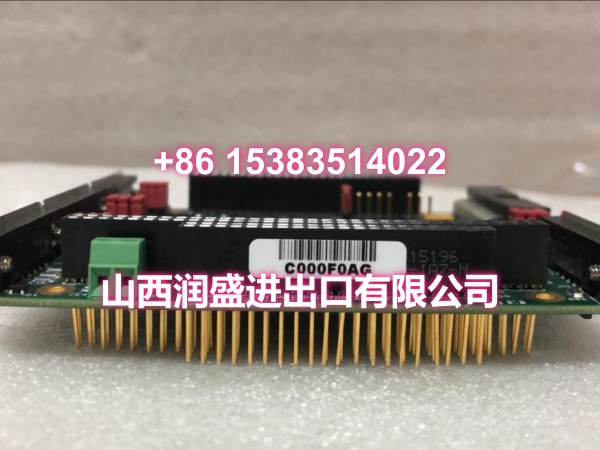
The PMAC2-PCI (603726-10C) is a PC-based motion control card used in machine tools, converting equipment, packaging, and precision positioning systems. It runs the motion program and servo loops, and drives the motor amplifiers through the attached motor interface.
The replacement risk is programmatic, not mechanical. A card that seats, powers up, and enumerates on the PCI bus can still be wrong if the firmware revision or the loaded PMAC program does not match the original. Verify the nameplate, the firmware version, and the project backup before ordering.
QA & Testing SOP
Identical for new original and surplus. No shortcuts.
- Inbound verification. Part number, revision, serial number, and firmware label photographed and matched against the customer’s PMAC project documentation. Mismatched revisions are quarantined.
- Physical inspection. PCI edge connector, pins, and board examined under magnification for rework, oxidation, or bent-pin damage.
- Bench power-up. Seated in a test chassis; PCI enumeration, startup sequence, and self-diagnostics logged.
- Functional exercise. Where the platform permits, axes exercised with a loaded motion program; servo response and encoder feedback verified against the OEM configuration.
- Anti-static packaging. Moisture-barrier bag, desiccant, ESD label. Signed test record packed with the unit.
Installation Pitfalls & Guide
❗ Firmware and program mismatch. A replacement card with a different firmware revision or an unloaded motion program will enumerate on the PCI bus and then fail during a positioning move. Load the validated program from the OEM backup and confirm the revision.
❗ Motor interface pairing. The PMAC2-PCI does not drive motors directly. Replacing the card without verifying the attached motor interface revision is a common cause of post-install axis faults.
❗ PCI slot and resource conflicts. Moving the card to a different slot can change IRQ and memory allocation, producing intermittent communication errors that look like card failure.
❗ Cabinet environment. Dust, humidity, or degraded ventilation will destroy the replacement on the same timeline as the original. Correct the enclosure condition during the outage.
Replacement sequence:
- Pre-install — Confirm safe machine state, apply lockout/tagout, photograph nameplate, slot position, and cable routing.
- Removal — De-energize the chassis fully, release retention, extract straight without stressing the edge connector.
- Install — Seat fully in the same slot, engage retention, reconnect motor and encoder cables against the photographed reference.
- Power-on test — Verify PCI enumeration, load firmware and motion program, home each axis, run a low-speed test move, then return to service.
Technical FAQ
Can I substitute a different PMAC2 PCI part number if the exact one is unavailable? Only after engineering review. Part number and revision differences can change axis support or firmware behavior, and a mismatch may pass enumeration yet fail during a positioning move.
Is hot swap supported? No. The card is not hot-swappable. Full system power-down is required before removal.
Why does the replacement card show an axis fault after install? Most often it is not the card. Check slot position and resource allocation, motor interface pairing, firmware revision, program load status, and encoder cable continuity.
What warranty applies? New original units carry standard coverage as stated on the quotation. Surplus units carry a shorter, disclosed term confirmed before payment.
Is the PMAC2-PCI still supported? The PMAC platform remains in Delta Tau’s portfolio, but individual part numbers move toward channel inventory over time. That makes revision, firmware, and lead-time confirmation more decisive than unit price on this part.