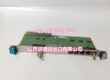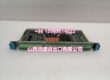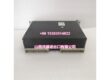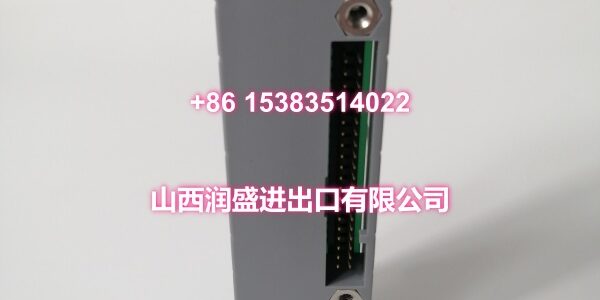
Product Core Brief
- Model: ANT401-5E
- Brand: YOKOGAWA
- Series: CENTUM CS 3000 / CENTUM VP ER Bus Interface Module
- Core Function: Twisted-pair ER bus interface module for YOKOGAWA CENTUM CS 3000 / CENTUM VP FCS.
- Product Type: DCS Bus Interface Module
- Key Specs: ER bus interface | Twisted-pair type | Standard type with explosion protection | Basic type | Supports /CU1N or /CU1T connector units
- Condition: New Original (New Surplus) / Factory Sealed
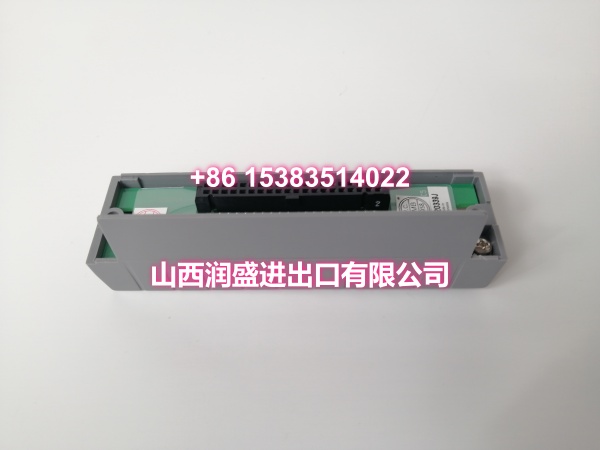
Product Introduction
Bus interface modules are easy to misidentify because Yokogawa uses similar model codes across ESB and ER bus families. The is a YOKOGAWA series ER bus interface module. The family is described as an ER bus interface module in twisted-pair type, while the suffix -5E indicates a standard type with explosion protection, basic type configuration.
For maintenance and procurement teams, this module is typically sourced as an OEM replacement when an existing ANT401 interface card fails or when a CENTUM CS 3000 / CENTUM VP FCS needs ER bus interface expansion. Because the ANT401 series also has non-explosion-protected variants such as -50 and wide-temperature variants such as -53, the full suffix must be matched against the physical label before substitution.
Key Technical Specifications
| Parameter | Value |
|---|---|
| Full Model | |
| Product Type | ER Bus Interface Module |
| Compatible System | YOKOGAWA CENTUM CS 3000 / CENTUM VP DCS |
| Bus Type | ER bus interface |
| Interface Type | Twisted-pair type |
| Protection Type | Standard type with explosion protection |
| Grade | Basic type |
| Connector Unit Options | /CU1N (ESB bus connector unit), /CU1T (terminating ESB bus connector unit) |
| Typical Application | ER bus interface connection within CENTUM CS 3000 / CENTUM VP FCS |
| Verification Required | Full suffix, connector unit type, bus address, and mating module |
Suffix reference: -5 = standard type without explosion protection; -E = standard type with explosion protection; 0 = basic type; 3 = ISA G3 / wide-temperature option.
Key Selling Points & Differentiators
- Explosion-protected variant: The -E suffix identifies it as the explosion-protected version within the ANT401 family.
- Twisted-pair ER bus interface: Suitable for ER bus applications requiring copper twisted-pair connections.
- Basic type configuration: Matches standard ANT401-5E replacements without additional wide-temperature options.
- Connector unit flexibility: Can be supplied with /CU1N or /CU1T connector units depending on system configuration.
- OEM YOKOGAWA module: Suitable for CENTUM CS 3000 / CENTUM VP maintenance, replacement, or spare stocking.
- Not recommended for: Substitution with ANT401-50, ANT401-53, ANT401-E0, ANT401-E3, or ESB-only interface modules. Always confirm the full model before ordering.
Quality Transparency SOP
Bus interface modules should be verified for both physical integrity and correct suffix configuration.
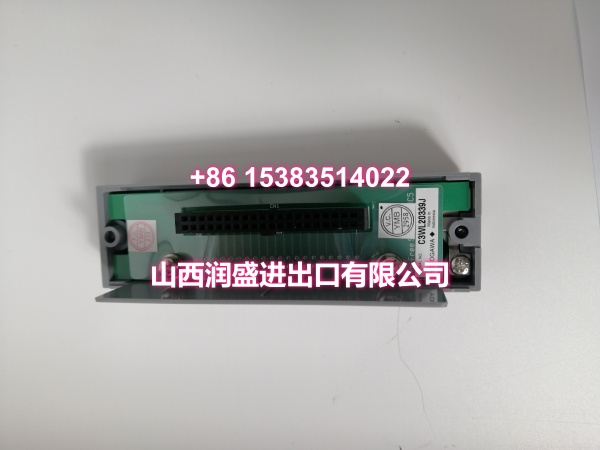
- Incoming visual QA: Inspect factory sealing, label integrity, connector pins, and PCB condition.
- Label verification: Confirm full model and any connector unit suffix such as /CU1N or /CU1T.
- Connector inspection: Check bus interface connectors for bent pins, oxidation, or mechanical damage.
- Suffix confirmation: Verify the module is -5E, not -50, -53, -E0, or -E3.
- Connector unit check: If supplied with /CU1N or /CU1T, confirm the connector unit matches the existing installation.
- Final packing: Record serial/lot information, apply anti-static packaging, and seal with a condition label.
Technical Risk Avoidance
Confirm the full suffix. is the explosion-protected basic type. It is not directly interchangeableANT40ANT40ANT401-EANT401-E3.
Do not confuse ESB and ER bus roles. ANT401 is described as an ER bus interface module, while ESB bus applications typically use SB401, EB401, EC401, or EC402.
Match the connector unit. If the existing module uses /CU1N or /CU1T, the replacement must match the same connector configuration.
Verify bus topology. Installing the wrong interface module can cause ER bus communication faults or address conflicts.
Check explosion protection requirements. If the original card is -5E, replacing it with a non-explosion-protected variant may not meet the original design intent.
Confirm mating equipment. Verify which FCS rack, node unit, or bus segment the module connects to before installation.
Buyer’s FAQ
Is this module genuine YOKOGAWA?
Yes. The is supplied as an OEM YOKOGAWA CENTUM CS 3000 / CENTUM VP ER bus interface module, typically as new original or new surplus.
What does -5E mean?
-5 indicates the standard non-explosion-protected series code, while -E indicates the explosion-protected variant within the ANT401 family. Together, is described as a standard type with explosion protection, basic type ER bus interface module.
Can I replace th ?
Not automatically. ANT401-50 is the non-explosion-protected basic type, while ANT401-5E is the explosion-protected variant. The suffix must match the existing installation.
What is the difference between /CU1N and /CU1T?
is an ESB bus connector unit, while is a terminating ESB bus connector unit. The correct option depends on the bus topology and position in the rack.
Can this module be used for Foundation fieldbus?
No. ANT401 is an ER bus interface module. Foundation fieldbus applications in CENTUM CS 3000 typically use ALF111 or other FF interface modules.
What is the warranty and lead time?
Each module carries a standard 12-month functional warranty from shipment, excluding damage from incorrect installation, suffix mismatch, or bus configuration errors. In-stock units typically ship within 1–3 business days after payment confirmation.