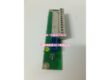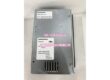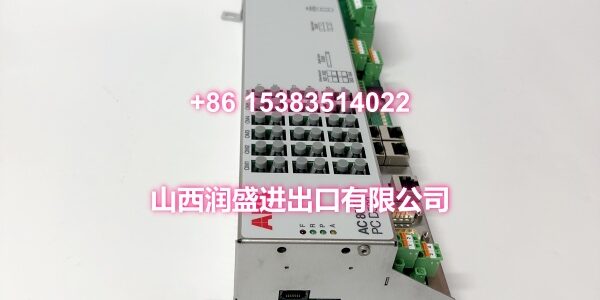
Product Core Brief
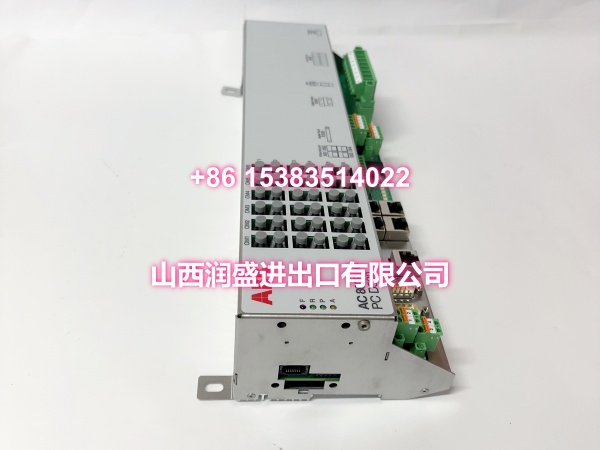
- Model: 3BHE041343R0102 (PCD530A102)
- Brand: ABB
- Series: UNITROL 6000 Static Excitation System / AC 800PEC Platform
- Integration Role: Core excitation control module (CCM) for synchronous generators, delivering precise rotor current regulation via closed-loop PID algorithms to maintain stable voltage output.
- Product Type: Excitation Control Module / Digital Output Controller
- Key Specs: 24V DC Excitation Drive Output | 10V DC Monitoring Output | -40°C to +70°C Operating Range | Traction-grade Vibration Resistance
- Note: Condition: New Original (New Surplus). Origin: Switzerland.
Key Technical Specifications
| Parameter | Value |
|---|---|
| Manufacturer Part Number | 3BHE041343R0102 |
| Device Model | |
| Functional Type | Excitation Control Module (CCM) |
| Parent System | UNITROL 6000 Static Excitation System |
| Excitation Winding Drive Output | 24V DC |
| Excitation Current Monitoring Output | 10V DC |
| Control Algorithm | Closed-loop PID Digital Control |
| Operating Temperature Range | -40°C to +70°C |
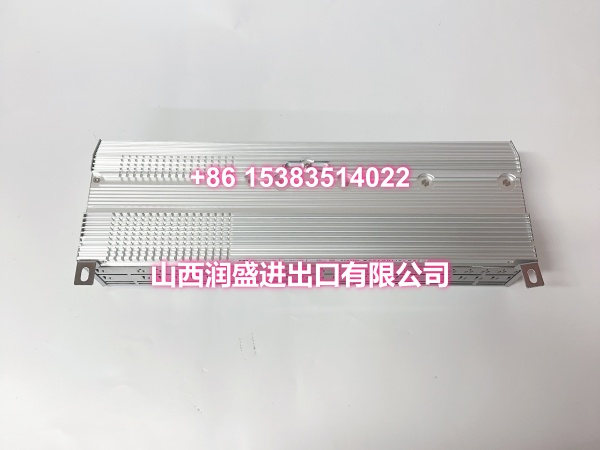
| Dimensions (D x H x W) | 380mm x 73.5mm x 142mm |
| Net Weight | 1.54 kg |
| Origin | Switzerland |
| Condition | New Original (New Surplus) |
Product Introduction
The ABB 3BHE041343R0102 (PCD530A102) is a dedicated excitation control module (CCM) engineered for the UNITROL 6000 static excitation system, a cornerstone platform for generator voltage regulation in power generation and heavy industry. This module serves as the critical control core for synchronous generators, executing precise rotor excitation current regulation through advanced closed-loop PID digital control algorithms to ensure stable, reliable operation across varying load conditions.
For power plant engineers and system integrators, the PCD530A102 consolidates multiple control functions into a single compact unit. Beyond its primary excitation control role, it integrates digital output capabilities for driving and monitoring external equipment status, alongside a dedicated 10V DC monitoring output for real-time excitation current feedback. This multi-function integration reduces cabinet footprint while maintaining the high reliability demanded by 24/7 power generation infrastructure.
Built to Swiss manufacturing standards, the module operates reliably across an extended temperature range of -40°C to +70°C and meets traction-grade vibration resistance specifications, making it suitable for demanding environments including hydroelectric plants, thermal power stations, wind farms, and large industrial synchronous motor drives. Its compact form factor (380mm x 73.5mm x 142mm) is designed for space-constrained control cabinets, while the modular architecture supports redundancy configurations for mission-critical applications where traditional redundancy concepts may not apply.
The PCD530A102 is fully compatible with ABB’s AC 800PEC ecosystem, enabling integration with higher-level control systems and supporting engineering workflows through ABB Control Builder and MATLAB/Simulink-based model design tools. This makes it a versatile choice for both greenfield projects and retrofit applications where maintaining generator voltage stability is paramount.
Integration & Application Notes
As an excitation control module for critical power generation systems, proper integration requires careful attention to electrical specifications, control tuning, and environmental factors.
- Excitation Winding Compatibility: Verify that your generator’s excitation winding voltage and current requirements are compatible with the module’s 24V DC drive output. Mismatched ratings can result in inadequate field excitation or module overload.
- Monitoring Circuit Wiring: The 10V DC monitoring output provides real-time excitation current feedback. Use shielded cables for this signal path to minimize noise interference, and ensure proper grounding to maintain signal integrity for closed-loop control accuracy.
- PID Parameter Tuning: The module’s closed-loop PID algorithm requires tuning to match your generator’s specific characteristics and load dynamics. Improperly tuned parameters can lead to voltage oscillation or sluggish response during load transients. Maintain documented parameter sets for backup and restoration.
- Redundancy Configuration: For critical power generation applications, the AC 800PEC platform supports redundant subsystem configurations. If deploying redundancy, ensure both modules have identical firmware versions and parameter sets, and verify automatic switchover functionality during commissioning.
- Thermal Management: While the module supports operation up to +70°C, ensure adequate cabinet ventilation to maintain ambient temperatures within specification. Prolonged operation at elevated temperatures can reduce component lifespan.
- Vibration Mounting: Given its traction-grade vibration resistance, the module is suitable for mobile or high-vibration installations (e.g., marine generators, locomotive power systems). Verify mounting hardware meets the specified torque requirements to maintain mechanical integrity.
Integrator’s FAQ
1. What types of generators is the PCD530A102 compatible with? The PCD530A102 is designed for synchronous generators across power generation (thermal, hydro, nuclear, gas turbine), renewable energy (wind, biomass), and large industrial applications (petrochemical, metallurgy). Its 24V DC excitation drive output and wide-range PID control accommodate various generator sizes and excitation system configurations. Verify your generator’s excitation winding specifications against the module’s output ratings before integration.
2. How does this module maintain voltage stability during load changes? The module employs closed-loop PID digital control algorithms that continuously monitor generator output voltage and compare it against the setpoint. When load changes cause voltage deviation, the controller automatically adjusts the 24V DC excitation current to the rotor winding, restoring voltage to the target range. The 10V DC monitoring output provides real-time feedback for this control loop, ensuring rapid and accurate response to dynamic load conditions.
3. Can this module be used in redundant configurations for critical applications? Yes. The PCD530A102 is part of the AC 800PEC platform, which supports redundant subsystem architectures designed for high-reliability applications where traditional redundancy concepts may not apply. In a redundant setup, if one subsystem fails, the controller automatically switches to the remaining healthy subsystem, ensuring continuous operation. Both modules must have identical firmware and parameter sets for seamless switchover.
4. What is the operating temperature range, and can it handle harsh environments? The module operates across an extended temperature range of -40°C to +70°C and meets traction-grade vibration resistance standards. This makes it suitable for outdoor installations, marine environments, and high-vibration applications such as locomotive power systems or offshore platforms. Ensure proper cabinet sealing and ventilation to maintain these environmental tolerances.
5. What engineering tools are used to configure this module? The PCD530A102 is configured using ABB Control Builder (Compact and Professional versions) with IEC 61131-3 compliant engineering languages. For advanced control algorithm development, MATLAB/Simulink can be used for model-based design, bridging the gap from simulation to implementation. The module is also fully integrated into ABB Ability System 800xA for plant-wide monitoring and control.
6. What is the warranty difference between New Surplus and Refurbished? We supply this unit as New Original (New Surplus), meaning it is unused, original factory stock from Switzerland, typically still in its anti-static packaging. This comes with a standard 12-month warranty. “Refurbished” excitation control modules carry significant risks, including aged capacitors, degraded power semiconductors from previous thermal cycling, potential firmware corruption, and undocumented operational history. Refurbished units often come with short, limited warranties (30-90 days) that do not cover latent defects.
7. Why is the pricing lower than direct OEM but higher than used parts? Our pricing reflects the value of guaranteed, unused condition. Unlike used parts from general marketplaces—which may have unknown operational hours, hidden damage from previous fault events, or outdated firmware—our New Surplus inventory is verified for authenticity and Swiss origin. You avoid the premium of custom OEM manufacturing for legacy parts while securing a component that performs like new, minimizing the risk of unplanned generator downtime in critical power generation applications.