Product Core Brief
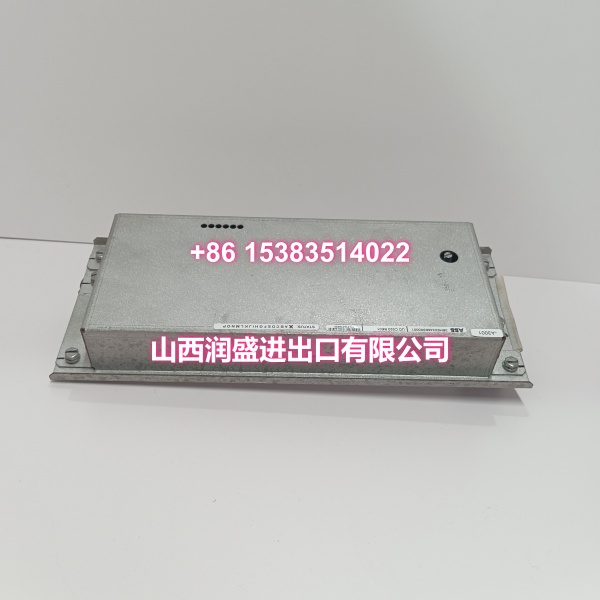
- Model: 3BHE039724R0E41 / PPD513 A0E-110110
- Brand: ABB
- Series: ABB AC 800PEC Series
- Integration Role: High-performance dual-core CPU controller module for industrial automation and process control systems, combining high-speed real-time control with low-speed process control tasks — widely deployed in power generation, metallurgy, petrochemical, and marine applications.
- Product Type: CPU Logic Controller Module
- Key Specs: Dual-core processor | Cycle time down to 100 μs | Multi-protocol communication (Ethernet, Profibus, optical links) | Full integration with ABB Ability™ System 800xA | IEC 61131-3 & MATLAB®/Simulink® programming support | FPGA-based protocol offloading
- Note: Condition: New Original (New Surplus)
Key Technical Specifications
- Product Type: CPU Logic Controller Module
- Brand: ABB
- Model Number: 3BHE039724R0E41 / PPD513 A0E-110110
- Series: AC 800PEC
- Primary Function: High-performance logic control and data processing for industrial automation, excitation control, and process control systems
- Processor Architecture: Dual-core processor unit combining high-speed real-time control with low-speed process control tasks typically handled by separate PLC units
- Cycle Time: Down to 100 μs for demanding real-time applications
- Communication Interfaces: Ethernet, Profibus, optical communication links — seamless integration with ABB Ability™ System 800xA and third-party devices
- Programming Tools: IEC 61131-3 languages via ABB Control Builder (Compact and Professional versions); MATLAB®/Simulink® for model-based design and control development
- FPGA Integration: Innovative use of FPGAs to embed protocols and application functionality without adding processor load
- I/O Connectivity: Fast I/O via optical links; hardware backup trip integration with COMBI I/O
- File System: Robust, power-loss-insusceptible file system for reliable data retention
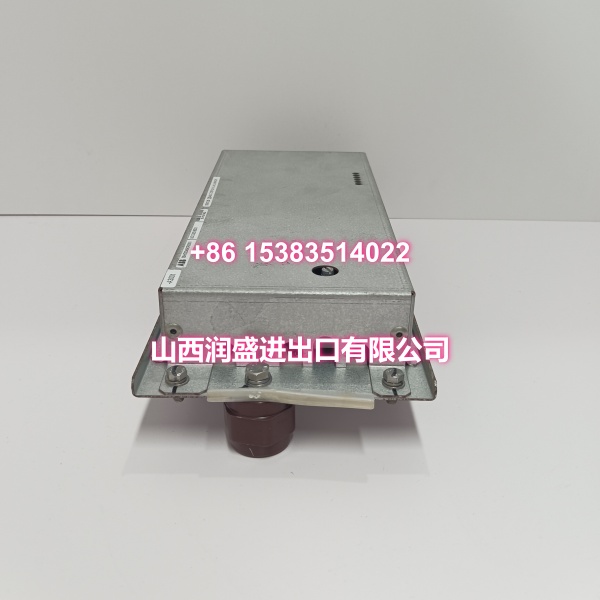
- Hardware Design: Industrial-grade, no moving parts, long life cycle with easy upgrade path
- Mounting: Modular slot-in design for control cabinet installation, supports hot-swappable maintenance
- Environmental Rating: Anti-EMI design for stable operation in high-temperature, high-humidity, and high-vibration environments
- Typical Applications: Power generation (unit control, excitation control, protection systems), metallurgy (rolling mill control, electric furnace automation), petrochemical (pump/compressor/reactor logic and sequence control), marine propulsion systems, manufacturing automation (CNC, robotics, motion control)
Product Introduction
The ABB 3BHE039724R0E41 (PPD513 A0E-110110) is a high-performance CPU controller module from the AC 800PEC series, engineered for demanding industrial automation and process control applications. As a dual-core processor unit, it uniquely combines high-speed real-time control with low-speed process control tasks — eliminating the need for separate PLC units and reducing system complexity.
This module is a cornerstone of ABB’s AC 800PEC platform, widely deployed in power generation, metallurgy, petrochemical, and marine applications where precise, real-time control is non-negotiable. Its cycle time of down to 100 μs ensures rapid response to process changes and fault conditions, while its high processing power handles complex control algorithms with ease.
The controller fully integrates into ABB Ability™ System 800xA and supports programming via IEC 61131-3 languages (using ABB Control Builder) as well as MATLAB®/Simulink® for model-based design — bridging the gap between simulation and real-world implementation. Its innovative FPGA architecture offloads protocol handling and application functions from the main processor, preserving CPU resources for critical control tasks.
Fast optical communication links and hardware backup trip integration with COMBI I/O make this module ideal for safety-critical applications. The industrial-grade hardware design features no moving parts, ensuring long-term reliability in harsh environments with high temperature, humidity, and vibration.
Integrators and control engineers specify this module for its proven track record in power plant excitation systems, rolling mill automation, and marine propulsion control — applications where unplanned downtime carries significant operational and financial consequences.
Wiring & Backplane Integration Notes
- Power Supply Verification: This module is designed for industrial power supplies with built-in filtering and voltage regulation. Confirm your cabinet’s power distribution matches the rated input specification before energizing. Voltage fluctuations outside the acceptable range can cause controller malfunction.
- Communication Interface Selection: The module supports Ethernet, Profibus, and optical communication links. For Ethernet connections, use Cat5e or better shielded cable with proper grounding. For Profibus networks, ensure proper termination resistors are installed at both ends of the bus segment. Optical links require compatible SFP modules and fiber optic cable — verify connector type (LC/SC) matches your infrastructure.
- Optical Link Configuration: When using optical communication, verify the fiber type (single-mode/multi-mode), wavelength, and link budget match the SFP module specifications. A mismatched fiber type or excessive link loss will cause communication failures. Clean all fiber connectors before mating.
- Programming Environment Setup: Before commissioning, ensure ABB Control Builder (Compact or Professional) is installed and licensed on your engineering workstation. For MATLAB®/Simulink® integration, verify the ABB target support package is installed and the model is properly configured for code generation.
- FPGA Configuration: The FPGA-based protocol offloading is configured during system engineering. Verify the protocol settings (protocol type, node address, baud rate) in your engineering tool before downloading to the controller. A mismatched configuration will prevent communication with field devices.
- Grounding: The module chassis must be bonded to the cabinet ground per ABB’s installation procedure. Do not allow multi-point grounding, which can introduce ground loops and cause communication errors. For optical links, ensure the fiber cable shield is properly grounded at the cabinet entry point.
- Hot-Swap Procedure: The module supports hot-swappable maintenance. However, always follow your plant’s lockout/tagout procedure and coordinate with operations before replacing a live controller. Verify the replacement module’s firmware revision matches the system requirements before insertion.
- Mechanical Mounting: The module uses a slot-in design for control cabinet installation. Ensure the backplane connectors are clean and undamaged before insertion. Verify the module is fully seated and the locking mechanism is engaged before applying power.
Integrator’s FAQ
What applications is this controller module best suited for? The PPD513 A0E-110110 is designed for high-demand industrial automation applications including power generation (unit control, excitation control, protection systems), metallurgy (rolling mill control, electric furnace automation), petrochemical (pump/compressor/reactor logic control), marine propulsion systems, and manufacturing automation (CNC, robotics, motion control). Its 100 μs cycle time and dual-core architecture make it particularly suitable for applications requiring both high-speed real-time control and complex process control logic.
Can this module replace a separate PLC in my system? Yes. The dual-core processor architecture combines high-speed real-time control with low-speed process control tasks typically handled by separate PLC units. This consolidation reduces system complexity, lowers hardware costs, and simplifies maintenance. However, verify that the I/O capacity and communication interfaces meet your application requirements before consolidating.
What programming environments are supported? The controller supports IEC 61131-3 languages via ABB Control Builder (both Compact and Professional versions) and MATLAB®/Simulink® for model-based design. The MATLAB®/Simulink® integration enables seamless transition from simulation to real-world implementation, reducing development time and engineering costs.
How does the FPGA integration benefit my application? The FPGA architecture offloads protocol handling and application functions from the main processor, preserving CPU resources for critical control tasks. This means faster cycle times, more deterministic response, and the ability to run complex control algorithms without performance degradation. The FPGA configuration is managed through your engineering tool — no separate FPGA programming is required.
What happens if the controller loses power? The module features a robust, power-loss-insusceptible file system that retains configuration data and process values during power interruptions. Upon power restoration, the controller resumes operation with the last known state — minimizing process disruption. However, always implement proper UPS backup for critical applications.
What warranty do you offer on New Surplus parts? We provide a full 12-month warranty on all New Original / New Surplus units. This is fundamentally different from refurbished controller modules, which often carry 30–90 day warranties and come with unknown thermal cycling history, aged components, and potential firmware issues. For critical process control and excitation applications, the cost of an unexpected controller failure — measured in unplanned downtime and potential equipment damage — far exceeds any upfront savings from a used part.
Why is your pricing lower than OEM direct but higher than used parts? Our pricing reflects New Original / New Surplus inventory sourced from factory overstock and authorized distributors. You pay less than OEM list because these are surplus units, not current production. You pay more than used/refurbished because the part has zero operating hours, no thermal aging on internal components, and no degradation of the processor or communication circuitry. For mission-critical control applications, the reliability difference between new surplus and refurbished is not marginal — it’s the difference between planned maintenance and an emergency process shutdown.
Need me to help you verify the communication protocol configuration or I/O expansion options for this module in your specific AC 800PEC system? If you can share your application type and system architecture, I can help narrow down the integration parameters.