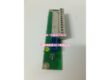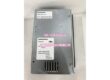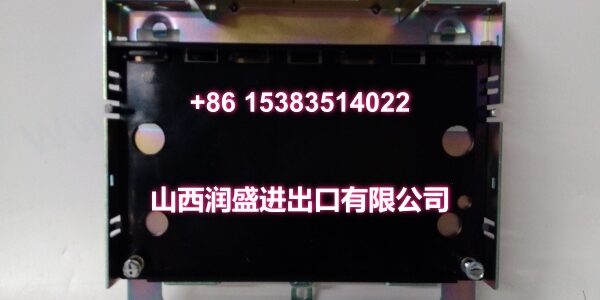
Product Core Brief
- Model: IS230SNCIH6A
- Brand: General Electric (GE)
- Series: Mark VIe (Speedtronic)
- Core Function: High-density isolated digital input module that monitors 32 discrete field signals — from emergency stop circuits to valve position feedback — with full electrical isolation and real-time channel diagnostics.
- Product Type: NCIM Isolated Digital Input Module
- Key Specs: 32 isolated 125VDC inputs | ±30% voltage tolerance | Real-time LED channel diagnostics | Hot-swappable | DIN-rail or chassis mount | -25°C to +70°C operating range
- Condition: New Original / New Surplus
Product Introduction
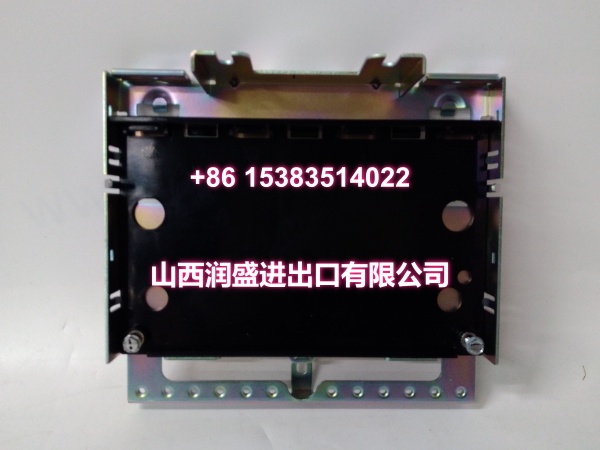
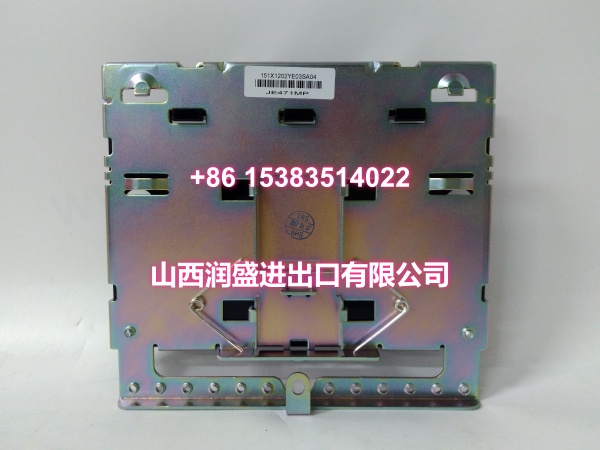
The GE IS230SNCIH6A is an NCIM (Network Communication and I/O Module) digital input module in GE’s Mark VIe Speedtronic turbine control system. It provides 32 isolated digital input channels that monitor discrete field signals — including emergency stop circuits, pressure switch status, valve position feedback, and auxiliary contact states — across gas turbine, steam turbine, and wind turbine control installations.
The module’s key advantage is density: a single IS230SNCIH6A typically replaces two older-generation input modules, saving valuable rack space in the control cabinet. Each of the 32 input channels is fully electrically isolated from the backplane and from adjacent channels, preventing signal crosstalk and protecting the controller from field-side transients, ground loops, and voltage spikes.
The ±30% voltage tolerance (operating range approximately 87VDC to 162VDC on a nominal 125VDC system) allows the module to remain operational during brownouts and grid instability events that would cause lesser modules to fault. Real-time LED diagnostics on the front panel show open circuits, shorted wires, and channel status at a glance — eliminating multimeter troubleshooting during critical outages. The hot-swappable design lets maintenance crews replace a failed module without shutting down the turbine controller, cutting troubleshooting time by half in most cases.
The module communicates over the Mark VIe Ethernet backbone with no separate interface card required, and supports both DIN-rail and Mark VIe chassis mounting (IEC 60529 IP20).
Key Technical Specifications
| Parameter | Value |
|---|---|
| Manufacturer | General Electric (GE) |
| Product Type | NCIM Isolated Digital Input Module |
| Series | Mark VIe (Speedtronic) |
| Signal Inputs | 32 isolated dry contact or 125VDC inputs |
| Power Requirements | 125VDC ±30%, 1.2A max (backplane powered) |
| Voltage Tolerance | ±30% (operates down to ~87VDC) |
| Channel Diagnostics | Real-time LED indicators per channel |
| Communication | Mark VIe Ethernet backbone (integrated) |
| Mounting | DIN-rail or Mark VIe chassis (IP20) |
| Dimensions | 120mm × 100mm × 30mm |
| Weight | 1.1 kg |
| Operating Temperature | -25°C to +70°C (condensing environments handled) |
| Application | Gas/steam turbine control, wind turbine monitoring, power generation |
| Origin | USA |
Quality Control Process
Every IS230SNCIH6A goes through a full functional bench test before it ships. We start with a visual PCB inspection — checking for cold solder joints, burnt traces, swollen capacitors, and verifying the integrity of the isolation barriers between all 32 input channels. High-density input modules are particularly vulnerable to channel-to-channel insulation breakdown after years of continuous operation in turbine environments.
Then we power it up on a regulated 125VDC supply and verify the backplane power draw is within the 1.2A max spec. We test each of the 32 input channels individually — applying 125VDC signals and confirming the module registers each input correctly with no cross-channel interference. We verify the ±30% voltage tolerance by stepping the input voltage down to 87VDC and confirming all channels continue to operate without faulting. We test the real-time LED diagnostics by simulating open-circuit and short-circuit conditions on individual channels and confirming the corresponding LED indicators respond correctly. We verify the Ethernet backbone communication by confirming the module registers on the Mark VIe network with its correct hardware ID. Finally, we confirm the hot-swap functionality by removing and reinserting the module under power without controller fault. Each unit ships in anti-static foam with a moisture barrier bag.
Replacement Pitfall Guide
❗ Verify input voltage level matches your field devices. The IS230SNCIH6A is configured for 125VDC nominal input (with ±30% tolerance). If your field devices operate at 24VDC or 48VDC, this module will not register the lower voltage as a valid input — you need a different input module rated for your field voltage level. Always confirm the field device voltage before ordering.
❗ Check the channel mapping before wiring. With 32 input channels on a single module, the I/O map in the Mark VIe configuration software must match your field wiring exactly. If you’re replacing a failed module and the channel assignments have shifted (due to a firmware update or configuration change), inputs may not correspond to the correct field devices. Always verify the I/O map in the controller configuration before connecting field wiring.
❗ Don’t ignore the LED diagnostics during troubleshooting. The front-panel LEDs provide real-time per-channel status — open circuit, short circuit, and active/inactive state. If you’re replacing this module due to a suspected input fault, check the LEDs on the original module first. A single channel fault (open or short) will light the corresponding LED, letting you pinpoint the problem without pulling the module.
❗ Confirm the backplane power budget. The module draws up to 1.2A from the backplane. If you’re adding this module to an existing rack, verify that the power supply can handle the additional load — especially if you’re populating multiple high-density modules in the same chassis. An overloaded backplane can cause intermittent module faults.
❗ Watch for condensing environment operation. The module is rated for operation in condensing environments (-25°C to +70°C), but prolonged exposure to condensation can degrade the PCB and connectors over time. If the original module failed in a high-humidity installation, inspect the replacement for any signs of moisture ingress before installing, and consider adding cabinet dehumidification to prevent repeat failures.
Keep these in mind and you’ll cut 90% of rework time.
Compatibility Matrix & Benchmarks
| Original Model | Replacement / Successor Model | Compatibility Level | Migration Notes |
|---|---|---|---|
| IS230SNCIH6B | Direct | Later revision; drop-in compatible | |
| IS230SNCIH5A | Direct | Earlier revision; verify I/O map match | |
| Mark VIe legacy digital input | Direct | Drop-in for Mark VIe chassis/DIN-rail | |
| IS420YDIOH1B | Needs Adaptation | Mark VIeS variant; requires I/O network migration |
- Channel Density: 32 isolated inputs per module — replaces two older modules
- Voltage Tolerance: ±30% — operates through brownouts and grid instability
- Diagnostics: Real-time per-channel LED indicators for instant fault identification