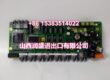
Product Core Brief
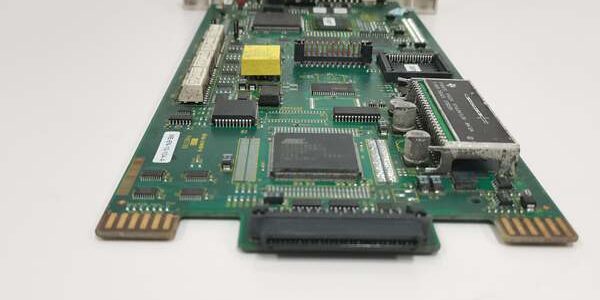
- Model: SPNPM22
- Brand: ABB
- Series: Symphony Plus HR Harmony Rack INFINET network processing hardware
- Core Function: Routes bidirectional data between INFINET rack bus, HN800 control bus and external 10/100 Ethernet plant networks
- Product Type: Rack-slotted network process gateway module
- Key Specs: 200MHz 32-bit RISC CPU | Dual 10/100 Ethernet ports | Redundant HN800 4Mbps differential bus
- Note: Active lifecycle stage; factory sealed new units and load-tested surplus stock available for legacy INFI 90 DCS upgrades
Key Technical Specifications
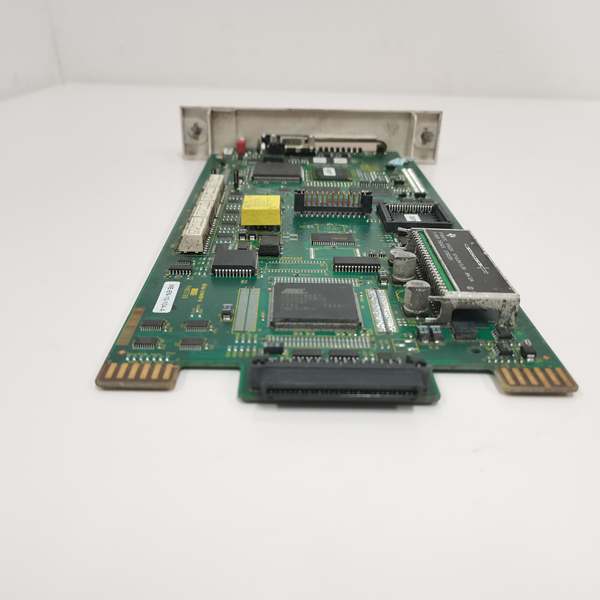
- Processor: 200MHz 32-bit RISC architecture
- Memory: 128 MB DRAM, 4 MB Flash ROM, 512 kB NVRAM for configuration retention
- Ethernet Interfaces: Dual 10/100BASE-T TCP/IP (EN1A / EN1B), optically isolated
- Internal Control Bus: Redundant HN800 RS485 differential bus, 4.0 MBps baud rate
- Supported Protocols: IEC 60870-5-104 master/slave, Modbus TCP, OPC UA client/server
- Power Draw: 3.6 W nominal, 150 mA @ 24 VDC ±10% SELV rack backplane supply
- PCB Protection: ISA S71.04 G3 conformal coating standard on all factory builds
- Operating Temperature: -20°C to +70°C inside sealed control cabinets
- Storage Temperature: -40°C to +85°C
- Humidity Rating: 20%–95% RH non-condensing below 55°C
- Mechanical Dimensions: 125 mm H × 127 mm D × 45 mm W (mounted on MB605 base)
- Diagnostic Indicators: Front RUN, COM, FAULT multi-color LED array for bus and Ethernet status
Product Introduction
This unit acts as a cross-network translation gateway for Symphony Plus DCS hardware, bridging internal proprietary INFINET and HN800 control buses to external plant Ethernet backbone networks. Its dual isolated Ethernet ports support redundant network topologies, and expanded memory increases exception report throughput to 2000 events per second, eliminating communication lag in large multi-rack power generation control systems.
QA & Testing SOP
- Incoming Inspection: Cross-reference serial numbers against ABB OEM spare part databases to filter counterfeit assemblies; inspect Ethernet RJ45 ports, backplane gold edge connectors and conformal coating with a 10x magnifier for pin damage or corrosion; log serial numbers for full asset traceability records.
- Live Testing: Seat the unit on a matching HR test rack paired with a SPBRC410 bridge controller; connect dual Ethernet switches and redundant HN800 bus cabling; run a continuous 24-hour load cycle with simulated 2000 event/sec traffic, inject cable fault conditions to validate automatic port failover logic.
- Electrical Testing: Use a Fluke 115 insulation tester to verify ≥10MΩ isolation between Ethernet field circuits and rack backplane logic; measure chassis PE continuity to confirm resistance below 0.5Ω.
- Firmware/Config Backup: Photograph front LED diagnostic mapping and internal DIP switch network address settings; record exact factory firmware revision printed on PCB silkscreen for field matching.
- Final QC & Packaging: Wipe PCB surfaces with static-dissipative microfiber cloth; cap all RJ45 and backplane connectors with insulating dust covers; seal the unit inside a shielding ESD bag, attach a printed QC tag with full 24-hour network load test timestamp, then pack into foam lined transit cartons.
Installation Pitfalls & Guide
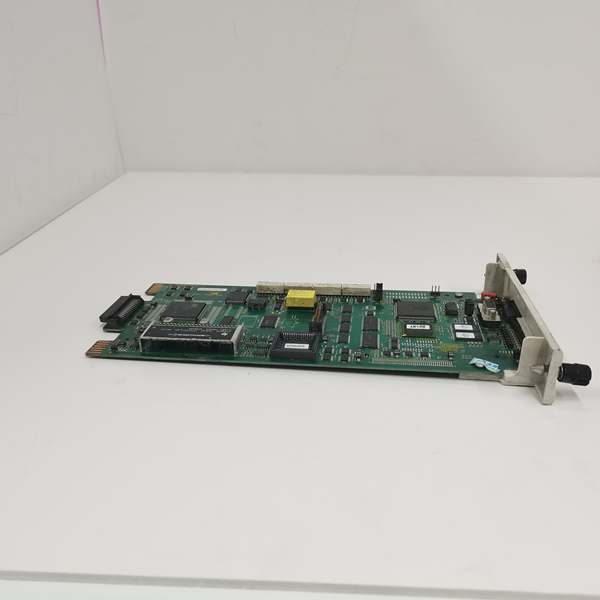
❗ Firmware Rev Mismatch breaks redundant bus sync: Older bus firmware versions cannot handshake with the latest board firmware; always match the exact firmware revision of the existing paired network processor before power-on. ❗ DIP Switch Address Misconfiguration creates bus collisions: Always photograph DIP switch positions on the old hardware before removal; duplicate network node IDs crash the entire INFINET rack bus within 10 seconds of power restoration. ❗ Unshielded Ethernet cabling induces packet loss: Cat6 unshielded cable near MCC motor starters creates constant TCP retransmits; shielded twisted pair with grounded cable trays is required for all external Ethernet runs longer than 15 meters. ❗ ESD exposure fries isolated Ethernet transceivers: Bare finger contact with PCB communication traces can destroy both Ethernet ports; replacement hardware and associated plant downtime costs exceed $10,000 for large power station DCS racks. ❗ Hot-swap operation triggers bus parity errors: Pulling the module under live rack power corrupts bus framing data and forces a full rack controller cold restart.
4-step replacement guide
- Pre-install: Lock out and tag rack 24VDC auxiliary power; wait 10 minutes for internal capacitors to fully discharge; don ESD wrist strap; capture photos of Ethernet wiring, bus cabling and DIP switch network address layout.
- Removal: Disconnect all RJ45 Ethernet and differential bus cables one by one; release the front rack latch, slide the old unit straight out of the backplane slot without twisting the edge connector pins.
- Install: Set DIP switches on the new hardware to match photographed address values; align the board with rack slot rails and seat fully until the latch clicks locked; re-terminate all Ethernet and bus wiring with OEM specified torque values.
- Power-on Test: Restore rack 24VDC power; confirm steady green RUN LED; generate continuous process event traffic to verify 2000 event/sec throughput without packet loss; simulate primary Ethernet port cable pull to confirm automatic secondary port failover with zero communication dropout.
FAQ
Q: Can this unit operate without a SPBRC series bridge controller? A: No. The device relies on the differential bus to exchange all process data with rack bridge CPUs. Without a compatible bridge controller, all Ethernet protocol translation and network routing functions remain disabled. Q: Is hot-swapping supported while rack power remains energized? A: It is not supported. The live and INFINET backplane buses carry high-speed differential signals; unplugging the unit creates voltage transients that corrupt bus framing data and trigger full rack controller resets. Full power lockout and capacitor discharge wait time are mandatory. Q: What warranty coverage applies to stocked units? A: Factory-new original network processors carry a 12-month OEM warranty covering the RISC CPU, dual Ethernet transceivers, redundant bus circuits and diagnostic LED indicators. Load-tested surplus units come with a 6-month functional warranty. Damage from mismatched firmware, ungrounded ESD handling or hot-swap removal voids all coverage. Q: What hardware replaces this unit for brand-new DCS builds? A: New ABB 800xA systems use SPIET800 Ethernet CIU hardware with native OPC UA support and no proprietary bus dependency. A full Symphony Plus rack migration project is required to swap legacy HR network hardware, as bus protocols are incompatible. Q: Will stored network IP and bus address settings be lost after a full rack power outage? A: Configuration data writes to on-board non-volatile NVRAM, so power loss does not erase IP addressing or protocol parameter sets. Only physical DIP switch node ID configurations require manual matching after hardware replacement. Q: What are the most common failure modes for a faulty unit? A: Persistent red FAULT LED with intact Ethernet cabling, one-way Ethernet packet transmission (no receive data), loss of redundant bus sync between paired network processors, throughput capped below 300 events per second under normal load, and permanent failure to establish IEC 60870-5-104 master/slave connections to remote SCADA servers.