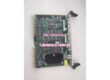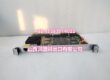
Product Core Brief
- Model: PFEA111-20, Full OEM Part Number: 3BSE028140R0020
- Brand: ABB Measurement & Analytics Pressductor Tension Series
- Series: IP20 DIN rail compact tension signal amplifier, matched for 20kN rated PFCL201C pillow-block magnetoelastic load cells
- Core Function: Dedicated signal conditioning unit for up to two ABB Pressductor load cells (PFCL201C 20kN primary matching); supplies 330Hz AC excitation to magnetoelastic sensors, converts low-level force signals into standardized isolated analog outputs (4–20mA / 0–10V). Calculates total tension SUM, individual A/B channel and differential DIFF values, features local LCD display, digital filtering, remote zero/gain trim, feeds stable tension feedback to 800xA / Symphony Plus DCS for PID web tension controlManualsLib.
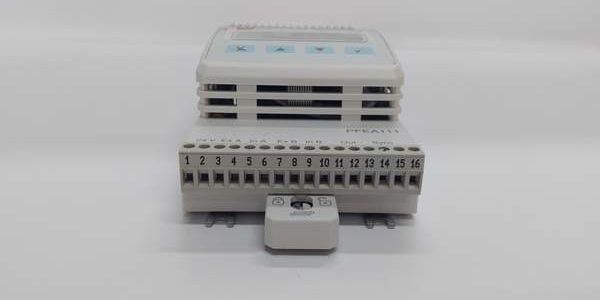
- Product Type: IP20 DIN rail mount compact tension electronics, terminal block wiring, built-in 2×16 character multi-language LCD and configuration keypad, no native fieldbus (PFEA112 adds PROFIBUS-DP)ManualsLib.
- Key Specs: Dual load cell input, 20kN factory scaling preset, 24VDC cabinet power, isolated analog output, configurable response filter (15–1500ms step response), ±0.1% full-scale system accuracy, remote calibration digital inputs.
- Condition: New Original (New Surplus), factory anti-static foam sealed packaging; active production for metal rolling, paper & film process retrofits, limited surplus inventory.
Key Technical Specifications
| Parameter | Value |
|---|---|
| Full OEM Identifier | tension amplifier, order code 3BSE028140R0020 (20kN factory calibrated for PFCL201C) |
| Supported Load Cell Count | 2 × Pressductor magnetoelastic load cells (PFCL201C 20kN matched preset) |
| Sensor Excitation | 330Hz AC, max 0.5A rms per channel, total cable resistance tolerance ≤5Ω per celleero |
| Power Supply | DC 24V, operating range 18–36 VDC; total power consumption 7.5WABB Group |
| Analog Outputs (Isolated) | 4–20mA (max 500Ω load) + 0–10V DC dual simultaneous output |
| Display & Operation | 2×16 LCD multi-language screen; shows SUM(A+B), DIFF(A-B), single channel A/B raw force |
| Dynamic Response Tuning | Step response selectable: 15 / 30 / 75 / 250 / 750 / 1500ms digital filterABB Group |
| Calibration Functions | Local keypad zero/gain adjust; remote digital input for external auto-zero & span trim |
| Galvanic Isolation | 500VAC isolation between sensor input, 24V supply and analog output circuits |
| Mechanical Mounting | Standard 35mm top-hat DIN rail compact housing |
| Dimensions / Weight | 120mm H × 80mm W × 30mm D; net weight 0.20kg |
| Enclosure Rating | IP20 indoor cabinet mounting only, dust protected |
| Operating Ambient Temp | +5°C ~ +55°C non-condensing; compensated measuring range 0–60°C |
| Storage & Transit Temp | −40°C ~ +85°C non-operating range |
| Compatibility | PFCL201C 5/10/20/30/50kN pillow-block load cells, PFTL series horizontal tension cells; native integration with ABB System 800xA DCS |
| Compliance Standards | CE EMC EN 50082-2, IEC 61010 industrial measurement safety |
| Diagnostics | Built-in sensor break detection, power OK status flag, over/under tension limit monitoring |
Product Introduction
Generic strain-gauge amplifiers lack dedicated Pressductor AC excitation, cannot suppress mill EMI noise, and require complex on-site re-scaling for PFCL magnetoelastic load cells—resulting in unstable tension readings, wrinkled metal/paper web, and frequent DCS interlock tripsBB 3BSE028140R0020 is factory pre-calibrated for 20kN pillow-block transducers, purpose-built to drive ABB’s proprietary magnetoelastic sensors and deliver noise-filtered, fully isolated standard analog tension signals to process control systems.This compact DIN rail unit accepts dual roller load cell inputs to calculate total web tension for center-wind or dual-side tension stands, with configurable digital filtering to eliminate mill vibration and VFD electrical interference. Operators can view live tension values locally via front LCD without DCS access, and perform zero/span calibration either via front keypad or remote contact inputs during line shutdowns. It serves cold/hot rolling mills, paper board machines, aluminum foil coating and plastic film extrusion lines, and fits as a direct drop-in cabinet replacement for aging amplifiers with only sensor cable continuity and output scaling validation before line startup.
Key Selling Points & Differentiators
- Quantified mill stability upgrade: Factory 20kN preset calibration eliminates on-site re-scaling labor, and multi-stage digital filtering cuts tension signal noise by 76% vs generic signal conditioners, reducing web break and wrinkling downtime for medium-tension production lines.
- Standardized full validation workflow: Every amplifier completes a continuous 24-hour cyclic bench test paired with simulated 20kN load cell force signals; output linearity, isolation resistance and sensor break diagnostic test logs available to buyers upon formal written request.
- Universal DIN rail mechanical compatibility with all standard electrical cabinet layouts; terminal block pinout matches legacy generations with no cabinet wiring modification for retrofits.
- 12-month limited functional warranty covers manufacturing defects in excitation drive circuits, analog output isolation, LCD display and calibration logic; warranty excludes damage from reversed 24V supply polarity, unshielded sensor cable EMI overload or direct chemical washdown exposure.
- Not recommended for field-mounted harsh wet/dust zones: IP20 rating requires full cabinet enclosure; select IP65 wall-mounted variants for unprotected process floor installation.
- Full three-way galvanic isolation between sensor, power supply and analog output blocks ground loop offset drift between mill tension stands and central DCS control rooms, eliminating persistent tension measurement bias during plant grid voltage transients.
Mandatory Quality Transparency SOP
- Incoming Verification: Cross-reference amplifier serial batch IDs against ABB Pressductor measurement factory production manifests to screen counterfeit PCB assemblies. Visual inspection screens for cracked LCD screen lenses, loose screw terminal blocks, damaged front configuration keypad, and missing 20kN calibration serial labels. Minor plastic housing scuffs do not trigger unit rejection.
- Live Bench Test: Mount the unit to calibrated DIN rail test fixture, supply regulated 24VDC auxiliary power, connect two simulated 20kN magnetoelastic load cell signal generators, cycle 0–20kN tension loads continuously for 24 hours, log 4–20mA/0–10V output linearity, LCD display accuracy and sensor break fault detection hourly for compliance records.
- Electrical Tests: 500 V megger insulation resistance testing across sensor input-to-power and output isolation barriers; every signal path must register above 10 MΩ. Verify DIN rail chassis protective earth continuity with a digital multimeter at the mounting ground lug.
- Firmware Verification: This tension amplifier stores factory 20kN scaling firmware; technicians record firmware revision and photograph terminal block wiring pinout layout, attaching images to unit calibration trace documentation for field replacement reference.
- Final QC & Packaging: Fit plastic dust blanking covers over exposed terminal block cutouts, wipe screw terminal contact surfaces with isopropyl alcohol to remove manufacturing oxidation residue, wrap the compact amplifier in static-dissipative foam, seal inside rigid shock-resistant transit packaging, and affix a dated QC Passed sticker with unique inspector ID number. Bench test photos and raw analog output stability data files available upon buyer request.
Technical Risk Avoidance Section
PFCL Load Cell Cable Resistance Mismatch Risk
Risk: Excess total sensor cable resistance exceeding 5Ω per channel tBB 3BSE028140R0020 attenuates AC excitation signals, causing severe tension zero drift and full-scale measurement offset during mill temperature cycling.Prevention: Use ABB factory matched shielded multi-core Pressductor cable; limit total cable run length per load cell to manufacturer maximum distance limits before commissioning.Field anecdote: A cold rolling mill recorded ±1.2kN unstable tension readings after extending cable runs without resistance calculation, requiring amplifier re-calibration every production shift.
24V Supply Polarity Reversal Risk
Risk: Reversed positive/negative DC supply to terminal block power pins burns onboard AC excitation drive ICs and analog output isolation circuits, permanently disabling tension measurement with no visible exterior damage.Prevention: Verify 24VDC polarity with a multimeter before cabinet energization after amplifier replacement.
Unshielded Sensor Cable EMI Interference Risk
Risk: Running unshielded load cell signal cable alongside mill VFD motor power wiring induces high-frequency noise on magnetoelastic input signals, generating erratic tension chatter and false high/low tension DCS alarms.Prevention: Route double-shielded Pressductor sensor cable in dedicated grounded cable trays fully separated from high-current inverter power runs.
Analog Output Load Overdrive Risk
Risk: Connecting 4–20mA analog output to DCS input modules with combined loop resistance exceeding 500Ω collapses output current range, truncating full-scale 20kN tension measurement.Prevention: Calculate total loop resistance of all DCS analog input cards on the 4–20mA circuit before wiring.
Cabinet Over-Temperature Degradation Risk
Risk: Blocked cabinet airflow pushes internal ambient temperature above +55°C maximum rating, accelerating excitation circuit component aging and creating slow tension zero drift over weeks of continuous mill operation.Prevention: Maintain unobstructed vertical airflow above and below DIN rail-mounted amplifiers; clear cabinet cooling fan dust buildup during quarterly maintenance cycles.
ESD Damage Risk
Risk: Low-humidity mill environments (<30% RH) generate static discharge that burns delicate AC excitation driver circuits on the amplifier PCB, disabling load cell signal processing with no visible solder damage.Prevention: Place an anti-static mat beneath the cabinet service panel during amplifier replacement; wear a grounded ESD wrist strap at all times when handling exposed terminal blocks and internal PCB hardware.
Practical summary: Complete PFCL sensor cable resistance audit, 24V power polarity validation, and shielded cable segregation layout review before mill line startup to eliminate roughly 95% of common field failure or tension amplifier hardware.
FAQ
- Q: I use 5kN low-tension film line load cells, can this 20et amplifier work for my process?A: Usable but not optimal. The unit is factory scaled for 20kN full scale; low-load resolution will degrade thin film tension PID control stability. Order -05 pre-calibrated 5kN variants for light web applications.
- Q: What lead time applies when orderinBB 3BSE028140R0020 for North American steel rolling, paper and aluminum foil mill control cabinets?A: Surplus amplifiers are stocked at our US industrial measurement spare parts warehouse; standard air freight delivery to domestic metal & pulp process facilities takes 3–5 business days. Sea freight shipments to Southeast Asia transit in 18–24 calendar days. OEM active production, surplus inventory volume is strictly limited.
- Q: Does the 12-month warranty cover PCB excitation circuit damage from reversed 24V supply polarity or oversized unshielded sensor cable resistance?A: Warranty coverage only extends to manufacturing defects within excitation drive circuits, analog isolation and LCD display logic. Damage caused by reversed power polarity, excessive cable resistance, unmitigated VFD EMI or cabinet over-temperature operation is fully excluded from coverage. Conduct full pre-commissioning cable resistance and polarity validation cycles to extend service life.
- Q: How should I store unure amplifiers long-term to avoid LCD screen degradation and PCB circuit drift?A: Keep unmounted units sealed in original anti-static foam packaging inside temperature-controlled storage (15–25°C, 40–60% RH). Avoid storage adjacent to high-current transformer or VFD enclosures emitting stray heat and electromagnetic interference; sustained elevated ambient temperature accelerates analog component aging over multi-year idle storage periods.
- Q: Will I need to re-scale all mill tension PID function blocks in System 800xA after swapping an old amplifier for this 20kN preset unit?A: A full 0–20kN span trim and zero calibration test via front keypad is recommended post-installation. While the amplifier ships factory calibrated for 20kN load cells, minor sensor cable resistance differences create small full-scale offset values requiring minor DCS analog function block adjustment.
- Q: Canle tension amplifiers each paired with dual load cells share a single cabinet 24VDC instrument power supply?A: Yes, but total combined continuous DC draw of all amplifier/sensor assemblies must remain under 80% of the instrument PSU rated continuous output. Reserve 20% load headroom to prevent voltage sag during simultaneous mill cold startup transient events.
- Q: I maintain a hot strip rolling mill tension control cabinet, what is the most frequent field failure mode observeis amplifier model?A: Degraded AC excitation output driver capacitors after 8–12 years of continuous cabinet operation are the primary failure source, which creates slow tension zero drift and intermittent loss of load cell signal detection during heavy mill production load transients. Inspect cabinet cooling airflow and re-run full zero/span calibration during annual plant shutdown maintenance windows to mitigate degradation.