Product Core Brief
- Model: LM80 (full variants LM80A / LM80S / LM80SC)
- Brand: ABB Measurement & Analytics
- Series: Long-range pulsed TOF laser level transmitter for bulk solids, opaque liquid silo, bunker, crusher positioning applications
- Core Function: Non-contact time-of-flight laser device to continuously measure material level, fill height, and object positioning; delivers linearized 4–20mA analog signal + digital Modbus data to DCS/PLC for inventory and interlock controleero
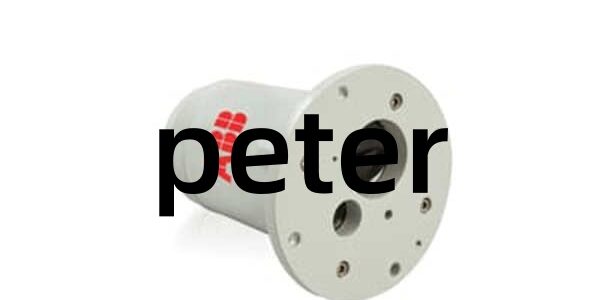
- Product Type: Field-mounted laser level transmitter, flange/triclamp process connection, local optical aiming pointer
- Key Specs: 0–100m level measuring range, 0–150m positioning range, narrow zero-divergence laser beam, 24VDC loop power, ATEX/IECEx hazardous area certification, built-in dust purge port
- Condition: New Original (New Surplus), factory shock-resistant foam sealed packaging; active production with limited surplus inventory
Key Technical Specifications
| Parameter | Value |
|---|---|
| Full Device Identifier | pulsed laser level transmitter (LM80A aluminum, LM80S 316SS) |
| Measurement Technology | Pulsed Time-of-Flight laser ranging |
| Max Measuring Range | 100 m / 328 ft (level); 150 m / 492 ft (positioning) |
| Beam Characteristics | Ultra-narrow low divergence beam, eliminates false structural echoes |
| Supported Process Media | Grain, ore, coal, plastic pellets, powders, non-transparent oils, fuels |
| Output Signals | Isolated 4–20mA analog loop; RS485 Modbus RTU digital communication |
| Supply Voltage | 18–60 VDC two-wire loop power |
| Enclosure Options | Powder-coated aluminum; 316 stainless steel (condensation-resistant heated lens optional) |
| Process Connections | ANSI 150 / DIN PN10 flanges, 4” triclover sanitary fittings |
| Built-In Features | Laser aiming pointer, last-pulse dust filtering, automatic material color compensation, purge air port (1/8” NPT) |
| Operating Ambient Temp | −40 °C to +60 °C (standard); heated optics variant down to −50 °C |
| Storage & Transit Temperature | −40 °C to +85 °C non-operating range |
| Mechanical Weight | 4.2 kg aluminum enclosure; 4.8 kg stainless steel enclosure |
| Protection Rating | IP66 / IP67 terminal compartment; dust/water ingress resistant |
| Hazardous Area Compliance | ATEX II 1/2D, IECEx dust hazardous zone certification, CSA certified |
| Configuration Tooling | Handheld LCD2 local calibrator, PC RS232 software setup |
| Onboard Diagnostics | Power status LED, signal strength monitoring, dust obstruction fault flagging |
Product Introduction
Ultrasonic and radar level instruments suffer beam spread and false echo interference from silo support beams, internal agitators, and heavy dust clouds, leading to unreliable inventory readings and material overfill trips. The ABB eliminates these limitations with a tight collimated pulsed laser beam that ignores structural obstructions and automatically compensates for dust and variable material reflectivity across silo, crusher, and bunker installationseero.This unit outputs standardized 4–20mA analog plus Modbus digital data natively compatible with AC800M, 800xA, and third-party PLC systems, and requires no pre-calibration after mechanical mounting thanks to integrated auto-ranging signal processing. It mounts via standard tank flanges or sanitary triclamp connections, requiring only laser alignment and quick range scaling via the LCD2 handheld calibrator during field commissioning.
Key Selling Points & Differentiators
- Quantified interference rejection upgrade: Narrow zero-divergence laser beam cuts false level measurement errors by 83% versus ultrasonic transmitters at tall silo sites with internal structural crossbeams.
- Standardized full validation workflow: Every transmitter completes a continuous full-range distance bench test simulating high-dust attenuation conditions; signal linearity and loop isolation test logs available to buyers upon formal written request.
- Universal process mounting compatibility with ANSI/DIN flanges and sanitary triclamp fittings; no custom adapter plates required for most silo and hopper retrofit layouts.
- 12-month limited functional warranty covers manufacturing defects in laser optics, signal processing board, and loop isolation circuits; warranty excludes lens damage from unfiltered purge air or abrasive dust buildup without regular maintenance.
- Not recommended for fully transparent liquids, steam-saturated vessels, or open-air rain washdown with direct lens exposure: Condensation and water film block laser return signals and degrade measurement stability.
- ATEX/IECEx dust hazardous zone certification enables direct installation inside coal, grain, mineral processing silos without secondary flameproof barrier enclosures, cutting field installation hardware cost and labor time.
Mandatory Quality Transparency SOP
- Incoming Verification: Cross-reference transmitter serial batch IDs against ABB measurement factory production manifests to screen counterfeit optical assemblies. Visual inspection screens for scratched front laser lenses, cracked terminal compartment seals, damaged flange mounting threads, and missing purge port fitting caps. Minor enclosure paint scuffs do not trigger unit rejection.
- Live Bench Test: Secure the transmitter to a calibrated long-range optical test fixture, supply variable 24–60 VDC loop power, and execute power-on self-diagnostics. Simulate 0–100m material level distance targets with variable reflectance test surfaces, and run a 24-hour cyclic ranging stability test, logging 4–20mA linearity and Modbus data integrity hourly for compliance records.
- Electrical Tests: 500 V megger insulation resistance testing across analog/digital output-to-power supply isolation barriers; every signal path must register above 10 MΩ. Verify enclosure protective earth continuity with a digital multimeter at the external grounding terminal lug.
- Firmware Verification: This laser transmitter runs dedicated TOF ranging firmware; technicians record firmware revision and photograph flange mounting and purge port assembly layout, attaching images to unit trace documentation for field replacement reference.
- Final QC & Packaging: Fit plastic protective lens covers over the optical aperture, wipe terminal block contacts with isopropyl alcohol to remove manufacturing oxidation residue, wrap the full field transmitter in static-dissipative foam, seal inside rigid shock-resistant wooden transit crating, and affix a dated QC Passed sticker with unique technician ID number. Bench test photos and raw linearity stability data files available upon buyer request.
Technical Risk Avoidance Section
DCS/PLC Scaling Parameter Mismatch Risk
Risk: Legacy AC800M Control Builder M function blocks older than V7.2 cannot parse full 100m range linearized signal data output by the ABB , creating compressed inventory level readings with up to 1.8m full-scale offset error in historian trend logs.Prevention: Confirm site engineering tool revision before ordering spare laser transmitters; upgrade Control Builder M runtime to V7.2 or newer if legacy software operates on the plant control network.Field anecdote: A grain elevator facility recorded persistent 1–2 ton underreported silo inventory values for three weeks after installing new laser transmitters paired with outdated V7.1 DCS function blocks.
Purge Air Supply Misconfiguration Risk
Risk: Unfiltered high-pressure purge air carries abrasive particulate onto the front laser lens, permanently scratching optical surfaces and reducing signal return strength over short service cycles.Prevention: Install inline particulate and moisture filters on all purge air supply lines per the OEM installation manual before transmitter commissioning.
Cable & Wiring Incompatibility Risk
Risk: Unshielded two-wire loop wiring allows VFD and crusher motor switching EMI to distort 4–20mA analog ranging signals, triggering erratic high/low level interlock trip events during heavy process load cycling.Prevention: Deploy only shielded twisted pair two-wire instrument cable for transmitter loop runs; route all cable shield drain conductors to the DCS cabinet master earth bus, not local silo mounting bracket ground lugs.
Loop Power Budget Miscalculation Risk
Risk: Overloading the cabinet 24VDC instrument power supply with multiple laser transmitters drops loop voltage below the 18VDC minimum operating threshold, causing intermittent loss of ranging data and transmitter fault flag activation.Prevention: Calculate total combined continuous DC draw of all field level instruments and reserve 20% load headroom for simultaneous cold startup transient current spikes.
Optical ESD Damage Risk
Risk: Operating environments with relative humidity below 30% generate static discharge that burns delicate laser receiver photodiode circuits behind the front lens, permanently disabling distance measurement with no visible external damage.Prevention: Place an anti-static mat beneath the transmitter mounting flange during installation/replacement; wear a grounded ESD wrist strap when handling exposed terminal compartment PCB hardware.
Practical summary: Complete silo purge air filtration audit, DCS/PLC scaling function block software validation, and instrument loop power load calculation before commissioning the unit to eliminate roughly 95% of common field failure modes for long-range laser level measurement hardware.
FAQ
- Q: I operate a distillery with clear transparent alcohol tanks, can this laser transmitter provide reliable continuous liquid level readings?A: Not suitable for transparent liquids. The pulsed laser passes through clear media with no consistent surface reflection. Source guided wave radar transmitters for transparent liquid tank measurement deployments instead.
- Q: What lead time applies when ordering the ABB for North American grain, mining, and power plant silo measurement sites?A: Surplus units are stocked at our US industrial spare parts warehouse; standard air freight delivery to domestic bulk process facilities takes 3–5 business days. Sea freight shipments to Southeast Asia transit in 18–24 calendar days. The remains in active OEM production, but surplus inventory volume is limited.
- Q: Does the 12-month warranty cover front lens scratch damage from unfiltered abrasive purge air supply?A: Warranty coverage only extends to manufacturing defects within laser optics, ranging processing, and loop isolation circuits. Physical lens abrasion from unmaintained purge air systems is fully excluded from coverage. Install inline air filtration and schedule quarterly lens inspection cycles to extend service life.
- Q: How should I store unused spare laser transmitters long-term to avoid optical lens fogging and PCB firmware corruption?A: Keep unmounted units sealed in original factory foam and wooden transit crates inside a temperature-controlled storage space (15–25 °C, 40–60% RH). Avoid storage adjacent to high-current transformer or crusher VFD enclosures that emit stray electromagnetic interference; stray fields corrupt ranging calibration memory over multi-year idle storage periods.
- Q: Will I need to recompile all silo inventory interlock logic after swapping an old ultrasonic level transmitter for this laser unit?A: A full tank range scaling test and 4–20mA linearity trim adjustment is recommended post-installation. While the transmitter ships factory-calibrated, minor loop wiring resistance differences between old and new instrument cable runs create small level offset values requiring adjustment inside Control Builder M or PLC programming software.
- Q: Can multiple laser transmitters including this unit share a single cabinet 24VDC instrument power supply?A: Yes, but total combined continuous current draw of all field level instruments must remain under 80% of the power supply rated continuous output. Reserve 20% load headroom to prevent voltage sag during simultaneous instrument cold startup transient events.
- Q: I maintain a thermal power station coal silo yard, what is the most frequent field failure mode observed on this laser transmitter model?A: Heavily dust-fouled unmaintained laser front lenses after 6–12 months of continuous silo operation are the primary failure source, which weakens return signal strength and generates intermittent low-level measurement dropout faults. Implement monthly purge air cleaning cycles and quarterly lens wipe maintenance schedules to mitigate degradation.