Product Core Brief
- Model: SPBRC400
- Brand: ABB
- Series: Symphony Plus S+ BRC400 bridge controller family for Harmony HR / INFI90 DCS racks
- Core Function: Execute closed-loop process control logic, exchange data over INFI-NET and Modbus RTU, manage HR rack analog/digital I/O via ModuleBus backplane
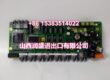
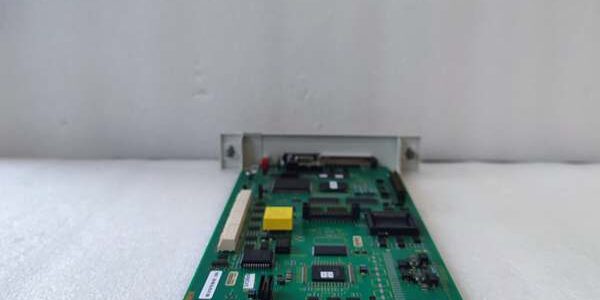
- Product Type: Single-width hot-swappable HR rack plug-in main control processor PCB
- Key Specs: Support >10,000 control function blocks | Dual INFI-NET redundant trunk ports | 1500V galvanic bus isolationCondition: New Original (New Surplus) | Factory Sealed; active OEM spare support accessible through 2035
Key Technical Specifications
| Parameter | Value |
|---|---|
| Compatible Rack Hardware | Symphony Plus HR Harmony racks, IMASI23 analog input, CMA198 rack power supplies, S+ INFI-NET interface cards; incompatible with AC800M, UNITROL, AC500 S500 platforms |
| Supported Control Logic | Bailey function block programming via Composer engineering software, supports over 10,000 discrete/analog control blocks per unit |
| Network Interfaces | Dual redundant INFI-NET backplane trunk ports, RS485 Modbus RTU serial port for third-party device integration |
| Galvanic Isolation Rating | 1500 VAC continuous withstand between field communication ports and internal core logic |
| Operating Backplane Supply | 24 VDC ±10% rack feed; total steady-state power consumption 5 W full control load |
| Hot Swap Qualification | HR rack certified hot-swap; parallel redundant controller pairs maintain bumpless process regulation during single card replacement |
| Onboard Diagnostics | Power OK, INFI-NET Active, ModuleBus Fault, Logic Execution Error front-panel LED indicators |
| Mechanical Dimensions | 28 mm W × 358 mm H × 128 mm D single HR slot; net unit weight 0.50 kg |
| Continuous Operating Ambient Temp | −20 °C to +55 °C full rated loop scan throughput; linear precision derate above 55 °C |
| Storage Temperature Range | −40 °C to +70 °C, 5–95% RH non-condensing |
| Built-In Circuit Protections | INFI-NET / Modbus ESD surge clamping, backplane reverse polarity lockout, bus short-circuit current foldback limiting |
| Compliance Standards | CE, UL, RoHS, IEC 61000-6-2 Class A industrial EMC for thermal power plant control rooms |
Product Introduction
This bridge controller serves as the core processing unit for large-scale power plant DCS racks, running critical coordinated boiler CCS and turbine DEH closed-loop control sequences across thousands of analog and discrete field points. Dual redundant INFI-NET trunking eliminates single-point network failure risk for continuous generation assets.Its high block count capacity consolidates multiple small legacy BRC300 controller workloads into one rack slot. Field refit data from supercritical boiler deployments shows the hardware cuts DCS rack footprint by 66% versus stacking older low-density control processors while delivering consistent 100ms base loop scan timing.
QA & Testing SOP (Transparency Building)
- Incoming Inspection: Cross serial numbers against ABB Symphony Plus OEM trace databases. Inspect gold HR backplane edge connector for oxidation, front communication port pins for bending, multi-segment LED diagnostic bank for dead segments. Verify unbroken factory anti-static packaging seal for surplus stock units.
- Live Testing: Seat the PCB in a populated HR test rack loaded with IMASI23 analog I/O modules and redundant CMA198 power supplies. Run 24-hour continuous full function-block load execution with periodic INFI-NET trunk cable disconnection to validate redundant network failover timing. Log 24 V backplane supply stability with a Fluke 115 precision multimeter for the full test window.
- Electrical Testing: Execute 1500 VAC megger insulation resistance test between all external communication ports and PCB chassis PE ground; pass threshold set at >10 MΩ. Confirm reverse backplane polarity lockout prevents core processing ASIC damage during miswiring trials.
- Firmware/Config Backup: Record factory-installed controller firmware revision (minimum L9 required for full 10,000 block support) via Composer workstation software. Document INFI-NET node ID and Modbus RTU baud rate configuration templates for power plant rack commissioning reference.
- Final QC & Packaging: Wipe gold HR backplane edge connectors and serial port pins to remove storage oxidation. Encase the PCB in shock-absorbent anti-static foam packaging. Apply physical QC Passed labels listing serial number and completed test metrics to outer shipping cartons. Full loop scan and redundant network failover validation logs available for pre-shipment review upon request.
Installation Pitfalls & Guide (Engineer to Engineer)
❗Firmware Mismatch Risk: Deploying the unit with Composer or INFI-NET interface firmware older than revision L9 disables high-density function block support and breaks redundant trunk failover logic.Risk Outcome: Truncated control logic execution, permanent loss of half the rack’s analog measurement points during base-load generation cycles.Prevention Step: Match full firmware revision sets between the controller, rack INFI-NET cards, and Composer engineering workstation before rack power-up; archive matching firmware files on plant engineering servers.
❗INFI-NET Node ID Conflict Risk: Duplicate rotary-dial INFI-NET node addresses across multiple controllers on one fiber trunk create bus arbitration collisions and global rack data corruption.Risk Outcome: Fluctuating boiler temperature/pressure HMI readings, random unplanned turbine interlock trips across the entire DCS network segment.Prevention Step: Photograph rotary node dial positions on the failing original hardware prior to removal; assign unique node IDs to every controller per HR rack wiring schematics.
❗Wiring Incompatibility Risk: This HR rack processor only mates with Symphony Plus / INFI90 Harmony backplanes; it cannot mount or communicate with AC800M, UNITROL, or S800 DCS subrack hardware.Risk Outcome: Zero physical compatibility and no usable closed-loop control execution on non-Symphony control platforms.Prevention Step: Deploy the component exclusively within HR Harmony rack assemblies paired with IMASI23 analog input modules and CMA198 redundant power supplies.
❗Rack Power Draw Miscalculation Risk: Populating one HR rack row with more than three of these high-current control processors exceeds paired CMA198 supply combined 5 VDC output capacity.Risk Outcome: Persistent backplane voltage sag, slowed loop scan timing, intermittent ModuleBus I/O communication dropout events.Prevention Step: Maintain minimum 20% total rack power overhead; split dense controller loads across separate dual redundant power supply pairs per OEM rack load calculation guides.
❗ESD Dangers: Static discharge from dry turbine hall air damages precision core control and INFI-NET transceiver circuits on the PCB. Uncontrolled ESD can permanently shift analog loop gain offsets with no visible exterior hardware damage.Risk Outcome: Gradual drifting boiler setpoint regulation and rising INFI-NET bus fault counter values over weeks of continuous generation runtime.Prevention Step: Touch bare cabinet ground metal for three full seconds before handling HR backplane edge connectors or front serial/network port pins.
4-Step Replacement Guide
- Pre-install: Capture clear photos of dual INFI-NET fiber cable routing and rotary INFI-NET node dial position on the failing unit. Confirm the redundant standby controller holds full bumpless process control to avoid blind boiler/turbine regulation during component swap.
- Removal: Disconnect both INFI-NET fiber cables gently to avoid scratching transceiver lenses; unlatch the HR card slot release tab and pull straight outward without twisting the PCB to protect gold edge contact pins.
- Install: Align the new unit’s edge connector with the HR rack backplane, push fully seated until the latch clicks locked; replicate rotary INFI-NET node dial address settings and reconnect both fiber cables matching the photographed trunk routing layout.
- Power-on Test: Confirm front INFI-NET active LED illuminates steady green; load full plant control logic via Composer and simulate primary controller fault injection to verify seamless standby takeover with zero process setpoint deviation and no network fault counters incrementing.
FAQ
Q: I maintain an aging dual-redundant coal-fired boiler HR DCS rack with failing main control processor hardware paired with IMASI23 analog I/O and CMA198 power supplies. Can this PCB serve as a direct drop-in replacement without rewiring INFI-NET fiber trunk cabling?A: Yes. The card shares identical HR rack mechanical form factor, dual INFI-NET port pin mapping and ModuleBus backplane communication layout as original factory hardware. No cabinet fiber or rack I/O bus rework is required, and existing Composer function block control logic files import natively without algorithm rewrite.Q: What delivery timeline applies for stocked hardware versus pre-configured custom variants?A: Standard in-stock controller PCB assemblies ship within 3–5 business days via global air freight. Custom pre-set INFI-NET node address and pre-flashed L9+ firmware variants carry a 12–16 week OEM factory lead time and are not held as surplus inventory.Q: Does the 12-month warranty cover core processor damage from mismatched firmware revisions or ungrounded ESD handling?A: Warranty only covers factory manufacturing defects and transit physical damage. Firmware version mismatches, duplicate INFI-NET node addressing, scratched fiber transceiver lenses, and ungrounded static handling fall outside covered failure modes. Paid remote Symphony Plus HR rack control logic commissioning support is available post-install.Q: Can multiple identical controllers operate independently on one single INFI-NET fiber trunk segment to expand multi-boiler plant DCS control capacity across separate cabinet banks?A: Yes, the INFI-NET ring architecture supports dozens of unique controller nodes with distinct rotary-dial node IDs. Each unit’s internal control logic operates fully isolated without cross-signal interference when properly addressed per OEM Symphony Plus documentation.Q: Is this bridge controller rated for Class 1 Div 2 hazardous cabinet installation inside refinery MCC rooms?A: No. The open HR slot PCB design lacks intrinsic safety ratings for classified explosive atmosphere locations. ABB produces separate IS-certified control processor hardware lines for hazardous area cabinet deployments.Q: Can low-level TC/RTD analog measurement loops and high-speed turbine discrete interlock logic execute simultaneously on one unit without cross-talk interference over the ModuleBus backplane?A: Yes. Independent galvanic isolation separates analog I/O and discrete signal bus traffic on the ModuleBus backplane, and the core processor schedules analog/digital scan cycles without frame corruption; no additional external signal isolator hardware is required for mixed-signal rack layouts.Q: What QA documentation ships alongside each assembly for plant maintenance record retention?A: Every controller PCB includes a physical QC Passed label stamped with serial number and completed test checklist metrics. Digital copies of 24-hour full function-block load execution logs, 1500 V insulation megger data, and redundant INFI-NET failover validation reports can be emailed on request prior to shipment.