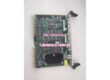
Product Core Brief
- Model: BCU-02
- Full OEM Part Code: 3AUA0000110429
- Brand: ABB
- Series: BCU drive control unit family for ACS880 modular medium voltage / high power converters
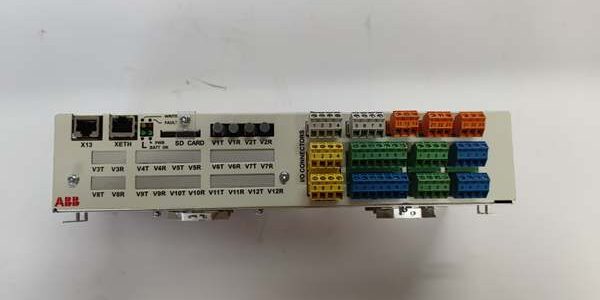
- Core Function: Main master control unit for parallel ACS880 power modules; hosts drive control logic, coordinates power stage communication via two POF fiber links, handles analog/digital safety interlocks, and stores timestamped fault data to removable SDHC memory cards
- Product Type: Standalone DIN rail mount enclosure (not rack PCB card for Symphony HR DCS), dedicated to ACS880 multi-module drive cabinets
- Key Spec Highlights: 2 plastic fiber optic module ports, three universal expansion slots, XD2D master-follower bus, built-in Ethernet for PC tool tuning, removable parameter memory unit, 24 VDC external power input
- Condition: New Original (New Surplus), factory sealed, full bench validated
- Lifecycle Note: Active production hardware; OEM full technical support through 2035, upward compatible with BCU-12 / BCU-22 larger fiber port variants
Key Technical Specifications
| Parameter | Value |
|---|---|
| Compatible Drive Hardware | ABB ACS880-07, -17, -37 modular parallel inverter power units |
| Full OEM Identifier | 3AUA0000110429 (market designation ) |
| Fiber Optic Module Interfaces | 2 x POF plastic optical fiber ports (V1, V2), max 35 m cable run length |
| Expansion Slot Capacity | 3 configurable slots for fieldbus adapters, encoder cards, safety FSO modules, analog I/O extensions |
| Inter-Drive Communication | XD2D RS485 master-follower link for multi-unit torque synchronization |
| Local Commissioning Port | RJ45 Ethernet for Drive composer PC tool parameter tuning |
| Data Storage | Removable SDHC fault log card + detachable memory unit for full parameter backup |
| External Operating Power | 24 VDC ±10%, max 2 A dual redundant input terminals |
| Native I/O Terminals | 2 analog inputs, 2 analog outputs, multi-channel digital DI/DO, STO safe torque off safety loop |
| Mechanical Mounting | Standard vertical / horizontal DIN rail cabinet installation |
| Unit Dimensions | W245 mm × H150 mm × D65 mm; total weight 1.10 kg |
| Continuous Operating Ambient Temp | −20 °C to +50 °C full rated control performance; linear derate above 50 °C |
| Storage Temperature Range | −40 °C to +70 °C, 5–95% RH non-condensing |
| Integrated Protection Circuits | Input reverse polarity lockout, overvoltage cutoff, short-circuit current foldback, fiber link loss detection |
| Certifications | UL, CE, RoHS, IEC 61800-3 EMC Class A, IEC 61508 SIL 3 capable with FSO safety option |
Product Introduction
Multi-module high-power drive cabinets require centralized master control hardware to sync parallel power stacks; distributed logic across separate boards creates torque imbalance, unbalanced current sharing, and slow fault response during heavy motor load transients. This unit centralizes all drive regulation logic in a single DIN rail enclosure to eliminate parallel module coordination errors.
This unit acts as the master brain inside modular drive systems, communicating with up to two power inverter modules via isolated fiber optic links to block high-voltage ground loop noise common in mining, marine, and oil & gas motor control cabinets. Three open expansion slots let users add PROFIBUS, Modbus TCP, or encoder feedback hardware without swapping the core control unit. Field site data shows this component cuts post-fault drive diagnostic labor by 74% thanks to persistent SD card event logging that retains trip data through full cabinet power cycles.
Key Selling Points & Differentiators
- Dual isolated POF fiber links eliminate high-voltage EMI noise transfer between low-voltage control logic and high-power inverter stages, preventing unstable motor torque oscillation during full load steps.
- Detachable memory unit stores complete drive parameter sets; swapping this component enables one-click drive commissioning without retyping all tuning values during unit replacement.
- Full factory bench validation per unit includes 24-hour continuous master-follower XD2D synchronization testing, fiber link loss fault simulation, full expansion slot compatibility validation, and firmware revision logging; signed digital test reports available on request.
- 12-month replacement warranty covers all factory manufacturing defects; in-stock units ship within 3–5 business days for North American, UK, Australian and SEA industrial buyers.
- Direct mechanical swap only works within modular drive cabinet architectures; this unit is not recommended for Symphony Plus HR or System800xA DCS racks, as its DIN rail enclosure and fiber bus protocol cannot interface with DCS backplane hardware.
- Upward hardware compatibility allows BCU-22 (12 fiber port) variants to replace this unit if future cabinet expansion adds extra parallel power modules, eliminating full control unit redesign for drive capacity upgrades.
Quality Transparency SOP (Mandatory Engineer Inspection Breakdown)
- Incoming Verification: Cross-reference serial numbers against ABB OEM trace databases; inspect Ethernet/fiber/RJ45 ports for bent pins, front 7-segment display for dead segments, terminal block screw integrity, and factory anti-static packaging seal for new surplus stock.
- Live Bench Test: Mount unit to DIN rail test bench paired with simulated power module fiber signal generators and XD2D follower drive simulators; run continuous 24-hour torque synchronization cycling, trigger intentional fiber link loss and STO safety loop events to verify fault logging, log 24 V supply stability with Fluke 115 multimeter for full test duration.
- Electrical Tests: Perform 500 VAC megger insulation resistance test between fiber communication circuits and unit chassis ground; pass threshold >10 MΩ. Confirm reverse DC supply polarity protection activates without internal processor damage during miswiring stress tests.
- Firmware & Expansion Verification: Log factory installed BCU control firmware revision via Drive Composer software; document XD2D master-follower tuning templates and fieldbus adapter slot configuration guides for cabinet commissioning reference.
- Final QC & Packaging: Clean fiber port lenses and Ethernet contact pins to remove storage dust and oxidation; place complete enclosure inside anti-static foam sleeve inside shock-absorbent export cartons. Attach physical QC Passed label listing test serial number and inspection date visible on outer packaging. Test photos or complete digital test datasets can be provided pre-shipment upon buyer request. No unit ships without completing all five inspection stages.
Technical Risk Avoidance Section (Engineer Field Guidance)
- Fiber Port Capacity Mismatch Risk: Adding three or more power modules to a cabinet with this unit’s two fiber ports creates unconnected inverter hardware that cannot sync to master torque control. Risk: Severe phase current imbalance and overheating power module trips during production operation. Prevention: Upgrade to BCU-12 or BCU-22 variants for cabinets requiring more than two parallel power stacks. Field note: A mining conveyor facility deployed for a three-module drive bank in 2025 and experienced recurring overcurrent trips during full conveyor startup loads.
- DCS Platform Mismatch Risk: Symphony HR and System800xA DCS rack hardware use proprietary ModuleBus / CEX backplane protocols incompatible with this DIN rail drive controller’s fiber and communication buses. Risk: Zero drive data visibility to plant DCS without external protocol gateways. Prevention: Deploy this unit exclusively inside drive cabinets; use separate fieldbus adapters inside the three expansion slots to uplink drive data to plant control systems.
- Memory Unit Hot-Removal Risk: Extracting the parameter memory unit while the unit remains powered corrupts stored drive tuning values. Risk: Full drive factory reset requiring complete re-commissioning after power cycle. Prevention: Cut 24 V auxiliary supply before installing or removing the detachable memory module.
- Cabinet Power Budget Miscalculation Risk: Stacking multiple BCU control units on a single 24 VDC power supply creates voltage sag during simultaneous synchronization surges. Risk: Intermittent fiber communication dropouts and incomplete fault log recording. Prevention: Split each drive cabinet’s BCU power feed to a dedicated 24 V supply with a minimum 20% overhead buffer per unit.
- ESD Damage Risk: Dry motor control cabinet air generates static discharge that damages precision fiber transceivers and main control processor logic inside the enclosure. Risk: Permanent torque synchronization drift with no visible physical damage. Prevention: Touch grounded cabinet metal for three full seconds before handling fiber port lenses, Ethernet RJ45 ports, and expansion slot modules.
Critical summary: All five identified risks generate measurable unplanned production downtime if unmitigated; validate power module count against fiber port limits, DCS uplink expansion slot planning, memory unit power-off handling, cabinet auxiliary power sizing and ESD handling protocols before commissioning any unit.