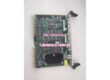
Product Core Brief
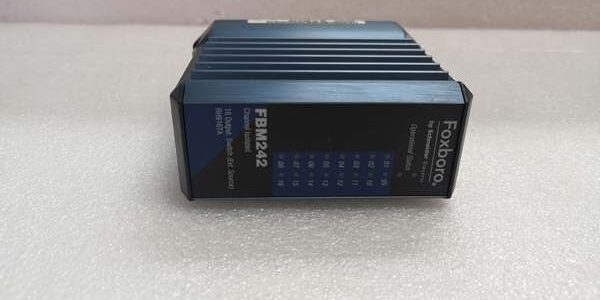
- Combined Kit: FBM242 discrete output module (OEM marking P0916TA) + factory matched fused termination assembly
- Brand: FOXBORO, Schneider EcoStruxure I/A Series Compact 200 DCS hardware platform
- Series: Externally powered channel-isolated discrete output subsystem with integrated per-channel overcurrent fusing at the TA
- Core Function: The unit delivers 16 independent galvanically isolated solid-state output channels that require external AC/DC field excitation to drive small solenoids, pilot relays and panel indicator lights. adds factory-installed replaceable fuses at each field wiring landing to block overload current before it reaches the module’s output semiconductors. The paired set connects via Type 4 shielded interconnect cable and supports onboard ladder logic, momentary pulse outputs and user-programmable fail-safe fallback states (hold last state or de-energize all loads).
- Form Factor: Hot-swappable DIN rail module with integrated aluminum heat sink; is DIN rail-mount flame-retardant polyamide TA with rear dual D-Sub ports for Type 4 cabling (30m maximum total linear run length).
- Key Spec Snapshot: 16 fully isolated DO channels, 2A continuous / 2.25A peak per channel, built-in replaceable channel fuses, 600VAC single-channel isolation rating, configurable 0/off fail-safe modes, local ladder logic execution.
- Condition: New Original (New Surplus), factory anti-static vacuum sealed unused OEM matched kit inventory
- Commercial Signals: ⚠️ Discontinued OEM hardware with limited paired module + stock; standard US ground lead time 1–3 business days; 12-month full functional warranty with complete 24-hour AC/DC load bench test reports included with each shipment.
- Critical Note: Distinct from unfused RH916YY and alternate fused RH916TA TAs; features dedicated pinout matching this specific module variant with optimized fuse trace sizing for low-to-medium inductive loads. Only carries OEM pinout and impedance validation for the unit; generic third-party terminal blocks break isolation paths and risk permanent driver burnout. Redundant deployments allow two matching modules sharing one base for bumpless hot-swap maintenance.